Chilca, Archaeological site in Chilca District, Peru.
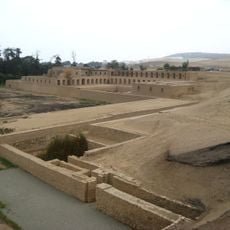
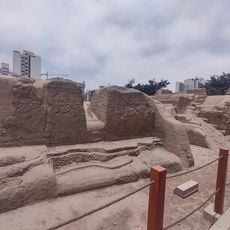
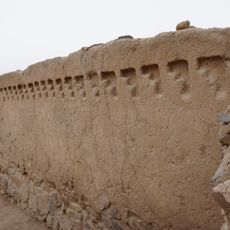
Chilca (Pueblo 1) is an archaeological site with remains of coastal settlements spread across roughly 2 hectares. The ruins reveal circular dwellings built from reeds and thick canes, each about 2.5 meters wide, showing how early people constructed homes in this desert region near the ocean.
Excavations in the 1960s by archaeologist Frederic Engel uncovered remains dating to around 3750 BCE, revealing that people continuously lived at this location for roughly 1200 years. The settlement was abandoned around 2300 BCE, marking one of the earliest known coastal communities in early South America.
The people who lived here developed specific burial customs that reveal how they honored their dead and valued certain possessions. Wrappings made from reeds and cotton, along with necklaces placed in graves, show they had established practices for marking important moments in their community life.
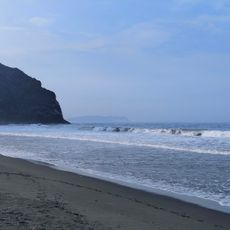
The site sits roughly 70 kilometers south of Lima and just 3 kilometers from the Pacific Ocean in a dry desert setting. Visitors should expect minimal shelter from weather and plan for the coastal location when preparing their trip.
The people who lived here combined fishing using hooks made from cactus spines with farming sweet potatoes, lima beans, and squash in the desert. This mix of ocean and agricultural food sources allowed them to thrive in an otherwise harsh landscape.
The community of curious travelers
AroundUs brings together thousands of curated places, local tips, and hidden gems, enriched daily by 90,777 contributors worldwide.