Pukara, Archaeological site in Puno, Peru
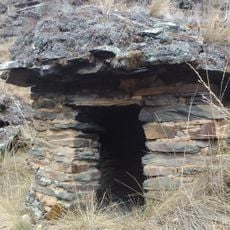
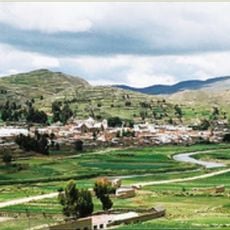
Pukara is an archaeological site in the northern Titicaca basin containing several pyramids and temples built from large stone blocks arranged across the landscape. The structures form a collection of religious and administrative centers that reveal how people organized their community.
The settlement emerged around 200 BC and flourished before the rise of the Tiwanaku civilization shifted power in the region. Its decline coincided with the emergence of this new dominant force that reshaped the Titicaca area.
The Kalasaya temple displays carved stone stairs decorated with depictions of mythological creatures like frogs, snakes, fish, and pumas that reveal the spiritual beliefs of the ancient inhabitants.
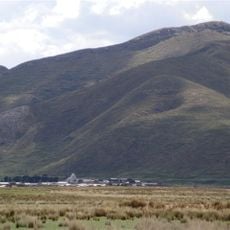
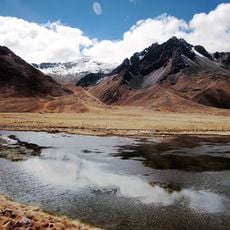
The site sits at high elevation, so visitors should allow time to acclimate before exploring the structures. The drier months offer better access to the grounds and clearer views of the landscape.
The central sunken court holds numerous carved stone stelae that point to ceremonial activities and religious practices of the Pukara people. These monuments show that inhabitants regularly gathered here for ritual purposes and left records of their faith.
The community of curious travelers
AroundUs brings together thousands of curated places, local tips, and hidden gems, enriched daily by 60,000 contributors worldwide.