Wari Willka, Archaeological site in Huancan District, Peru.
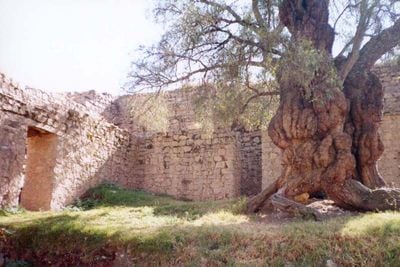
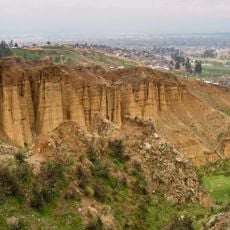
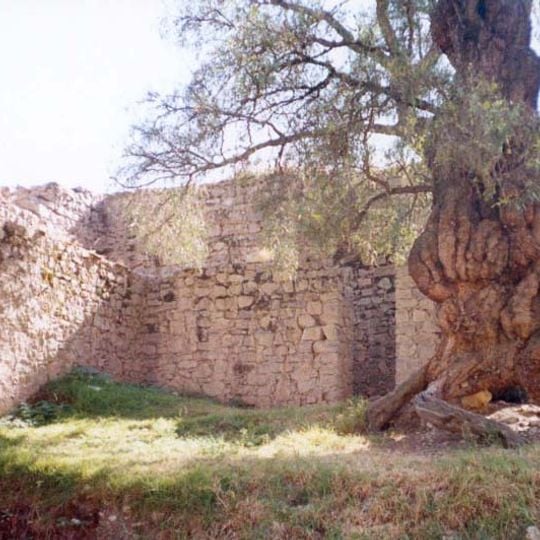
Wari Willka is an archaeological site situated on a plateau that slopes toward the Mantaro River, displaying substantial stone walls and structures. The grounds hold preserved stone staircases, building foundations, and several ancient trees arranged across an irregular quadrilateral layout.
The site emerged during the Middle Horizon period as the Wari Empire expanded into the region during the 8th century, serving as a provincial administrative center. Subsequent centuries brought changes to the landscape, but the core structures remained intact and recognizable through the ages.
Wari Willka means a sacred place of origin in the Huanca worldview, where people believed their ancestors first emerged into the world. The site held profound spiritual importance for the communities who lived in this region and passed down stories about it through generations.
The site sits on sloping ground with steep sections in places, so wearing sturdy shoes and allowing time to explore carefully is sensible. Vantage points throughout the terrain offer different views of the structures and the river valley below, depending on where you walk.
Archaeologists uncovered the remains of a young woman bound with a bird of prey, revealing unusual burial practices not commonly seen elsewhere. This finding suggests the place served important ritual and ceremonial functions beyond typical administrative uses.
The community of curious travelers
AroundUs brings together thousands of curated places, local tips, and hidden gems, enriched daily by 60,000 contributors worldwide.