Pumapunku, Ecuador, Archaeological site in Azuay Province, Ecuador
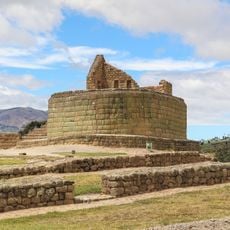
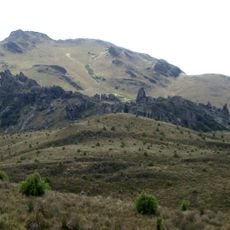
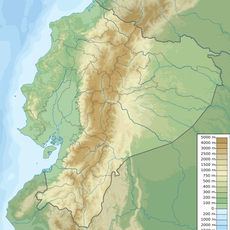
Pumapunku is an archaeological site in Azuay Province featuring standing foundation walls, stone structures, and ritual bathing areas arranged across the terrain. The complex includes a network of irrigation channels that once directed water through the settlement.
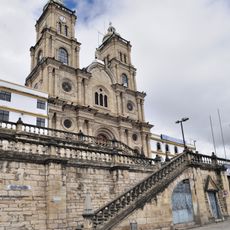
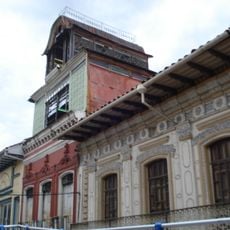
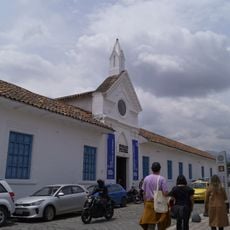
This site was built in the late 15th century under Inca emperor Huayna Capac as part of the wider administrative center Tomebamba. Following Spanish arrival, local people salvaged stones from the ruins to construct colonial-era buildings.
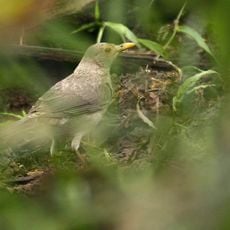
The name means Door of the Puma, reflecting the sacred animal's importance in local belief and spirituality. This reference shows how wildlife was woven into the religious and architectural identity of the settlement.
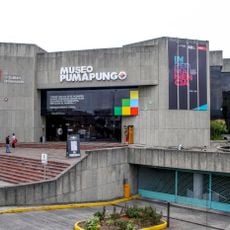
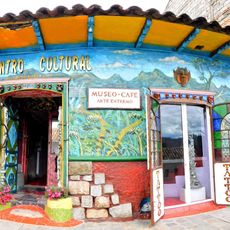
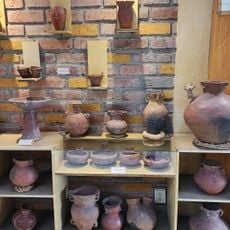
The grounds are free to visit and accessible daily throughout the day for independent exploration. A nearby museum containing artifacts closes on Sundays, so plan accordingly if you want to see both.
A garden at the base of the site holds around 10000 medicinal and food plants grown using pre-colonial methods. This collection demonstrates what crops sustained the ancient settlement and supported daily life.
The community of curious travelers
AroundUs brings together thousands of curated places, local tips, and hidden gems, enriched daily by 91,285 contributors worldwide.