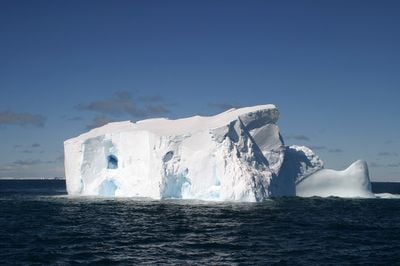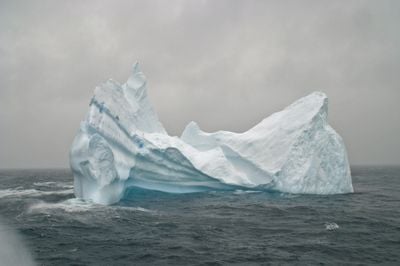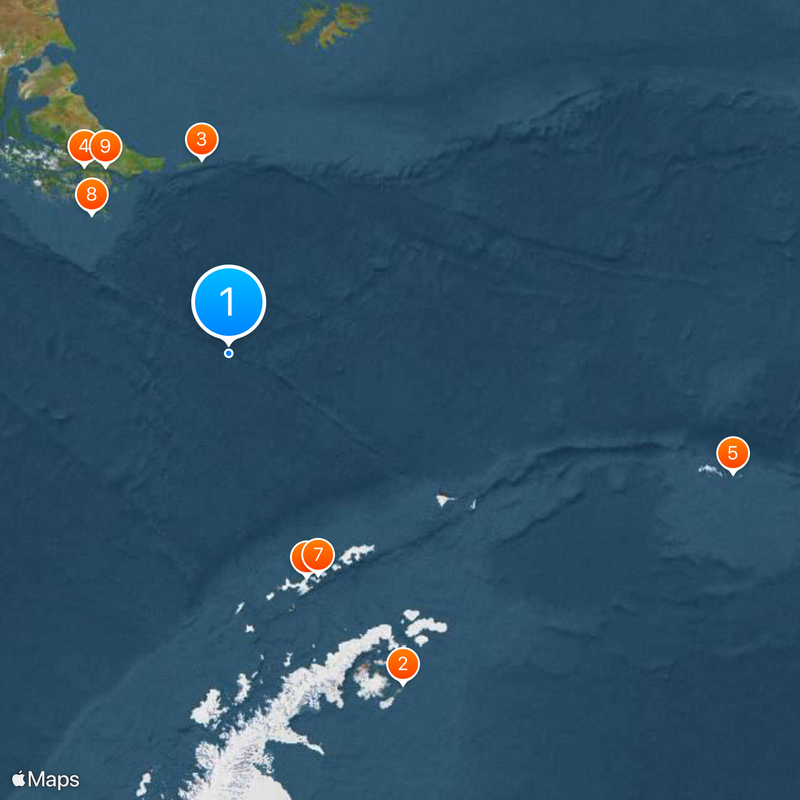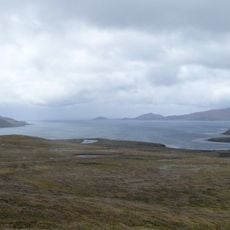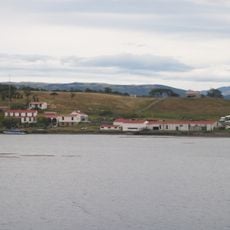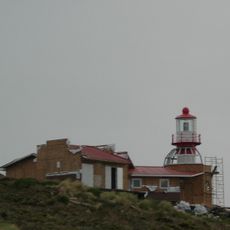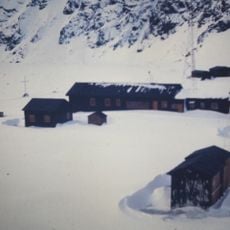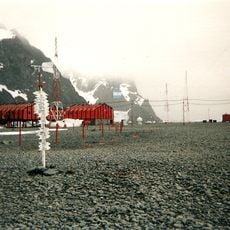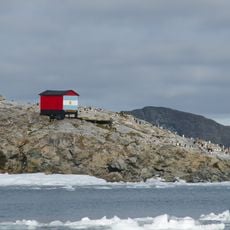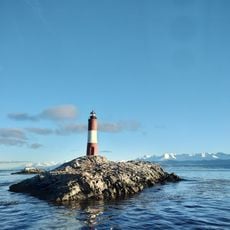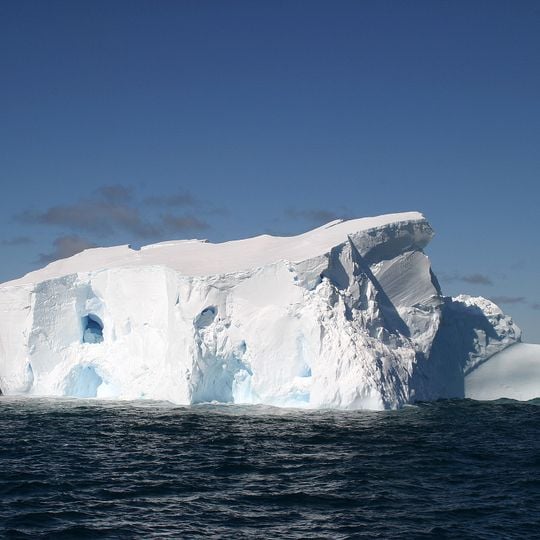
Drake Passage, Marine strait between South America and Antarctica.
Drake Passage is a strait between South America and Antarctica that connects the Atlantic and Pacific oceans. It extends roughly 965 kilometers (600 miles) wide with water depths reaching 4,750 meters (15,600 feet) in certain areas.
Dutch navigator Willem Schouten first crossed the strait in 1616, proving the existence of a direct route between the Atlantic and Pacific oceans. This discovery ended decades of speculation about the southernmost point of the Americas.
The waterway takes its name from Sir Francis Drake, while Spanish maps label it Mar de Hoces after Francisco de Hoces, reflecting different maritime traditions.
Large waves exceeding 12 meters (40 feet) occur frequently due to the Antarctic Circumpolar Current, making maritime navigation particularly demanding. Conditions are calmest during the southern summer months between December and March.
The waters host numerous fish species lacking hemoglobin in their blood, including the entire family of Antarctic icefish, adapted to extreme cold conditions. This adaptation allows them to survive in temperatures near freezing.
The community of curious travelers
AroundUs brings together thousands of curated places, local tips, and hidden gems, enriched daily by 90,750 contributors worldwide.