Sirius, Particle accelerator research facility in Campinas, Brazil
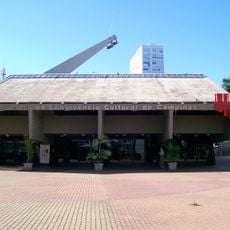
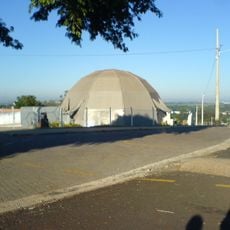
Sirius is a fourth-generation synchrotron light source at the Brazilian Synchrotron Light Laboratory in Campinas. Its storage ring measures 518.4 metres in circumference and 165 metres in diameter, with an electron energy of 3 GeV. The 68,000-square-metre building shelters the ring behind about 1 kilometre of concrete walls, 1.5 metres thick and 3 metres high, to block radiation. The roof is corrugated metal radiating from an open central ring, above vertical silver-grey fins.
Construction began in 2014 with Brazilian government support and was completed in 2018. This project represented a major step forward for Brazil in developing modern research infrastructure.
The facility draws researchers from around the world and across Brazil who work together on shared projects. This international collaboration shapes the working environment and encourages knowledge exchange between different scientific fields.
The facility actively conducts research, so visitor access is typically reserved for professionals and invited guests. Those interested in learning more may find opportunities for guided tours or special events that offer insights into the work being done.
The 68,000-square-metre building is shielded by about one kilometre of concrete walls, 1.5 metres thick and 3 metres high, to protect people from the radiation released by the machine. Around 90 percent of the components were developed or produced in Brazil.
The community of curious travelers
AroundUs brings together thousands of curated places, local tips, and hidden gems, enriched daily by 92,684 contributors worldwide.