Pedra Branca State Park, State park in western Rio de Janeiro, Brazil
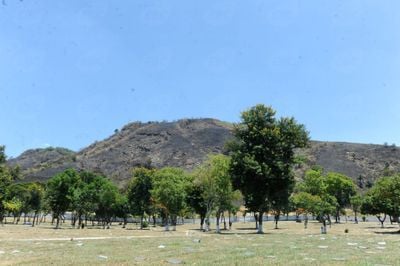
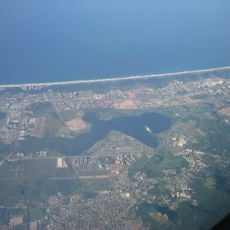
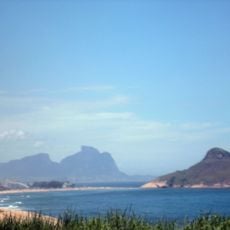
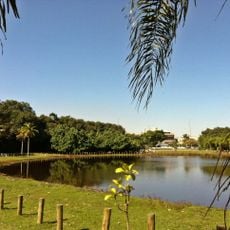
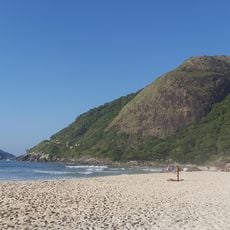
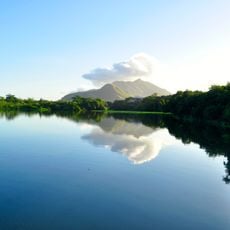
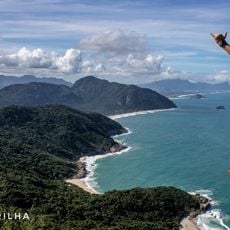
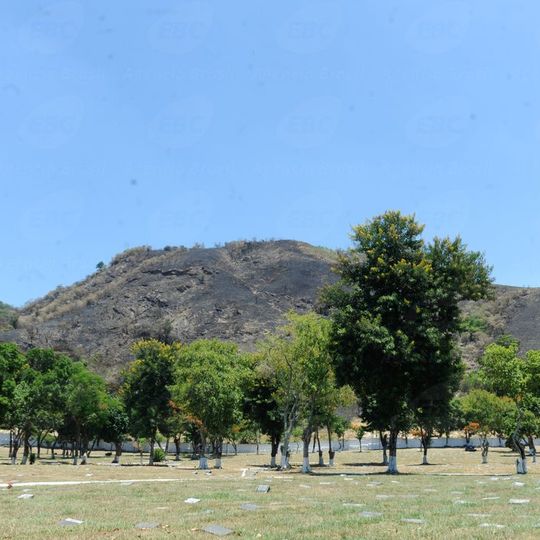
Parque Estadual da Pedra Branca is a state park in western Rio de Janeiro that covers 12,494 hectares above the 100-meter elevation line and includes portions of 17 neighborhoods. The park protects Atlantic rainforest and several water sources that flow into the urban watershed.
State Law 2,377 on June 28, 1974 created this protected area to safeguard water sources and Atlantic Forest remnants from urban expansion. This decision marked an early phase of environmental protection in Rio de Janeiro.
Three urban quilombos – Camorim, Cafundá-Astrogilda, and Dona Bilina – farm community gardens within the park boundaries, using cultivation methods that trace back to the era of slavery. These communities continue to maintain their own social structures and produce food on small plots.
Visitors reach the area through several entrances such as Pau da Fome, Camorim, and Piraquara, each offering hiking trails of different lengths and difficulty levels. Sturdy footwear and enough water are recommended for all routes, as paths often climb steeply and cross uneven ground.
The peak of Pedra Branca at 1,025 meters (3,363 feet) is the highest point in the city and is made of pink to light-colored granite. From the top, you can see both the Atlantic Ocean and the western suburbs, a view that surprises many visitors.
The community of curious travelers
AroundUs brings together thousands of curated places, local tips, and hidden gems, enriched daily by 91,124 contributors worldwide.