RPPN Sanctuary of Caraça, Private Natural Heritage Reserve in Catas Altas, Brazil
The RPPN Sanctuary of Caraça is a private nature reserve in Minas Gerais that protects forests and open landscapes across its grounds. The property combines ecosystems from Atlantic Forest and Cerrado habitats within a single protected area.
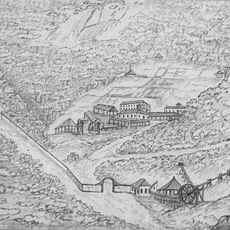
The sanctuary began in 1774, when Brother Lourenço, who had fled Portugal to escape a death sentence imposed on his family by the Marquis of Pombal, started the first church. The Congregation of the Mission founded the Colégio do Caraça in 1820; it educated presidents Afonso Pena and Arthur Bernardes and closed in 1968 after a fire destroyed its buildings. The RPPN was created on 30 March 1994 by IBAMA portaria 32-N.
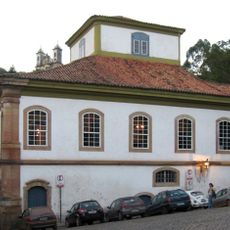
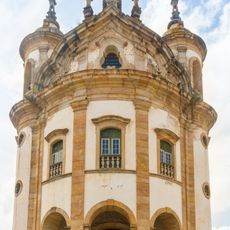
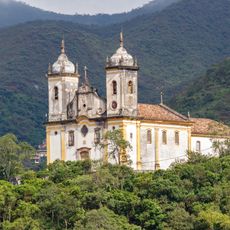
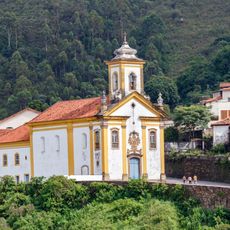
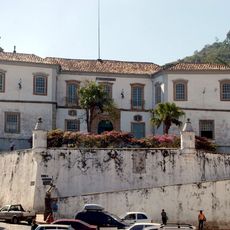
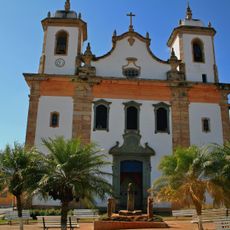
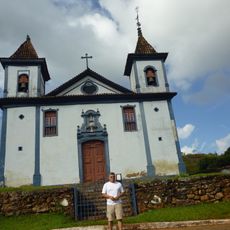
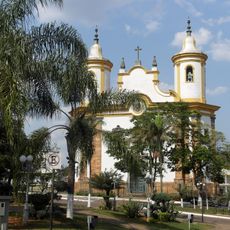
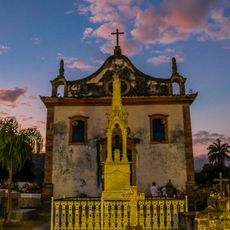
The sanctuary's church, the Santuário de Nossa Senhora Mãe dos Homens, began with a primitive chapel started in 1774 by Brother Lourenço, who had fled Portugal to escape a death sentence imposed on his family by the Marquis of Pombal. The adjoining 18th-century college educated Brazilian presidents Afonso Pena and Arthur Bernardes. The architectural complex is listed by IPHAN.
The sanctuary is accessible by paved roads from nearby towns, with main entrances connecting to the main grounds. Plan to arrive early and wear sturdy shoes, as exploration of the property takes time and involves walking through natural terrain.
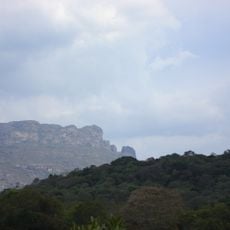
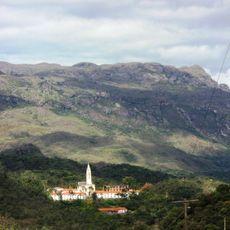
The reserve's name comes from a bird: the caraça, a raptor the early settlers saw in the Serra do Caraça. The reserve protects about 12,403 hectares within the 31,521-hectare Serra do Caraça, and its Pico do Sol, at 2,070 metres, is the highest point of the Serra do Espinhaço. Geologists hold that the serra contains the world's largest and deepest quartzite cave.
The community of curious travelers
AroundUs brings together thousands of curated places, local tips, and hidden gems, enriched daily by 93,621 contributors worldwide.