Cradle of Humankind, Paleontological museum in Mogale City, South Africa
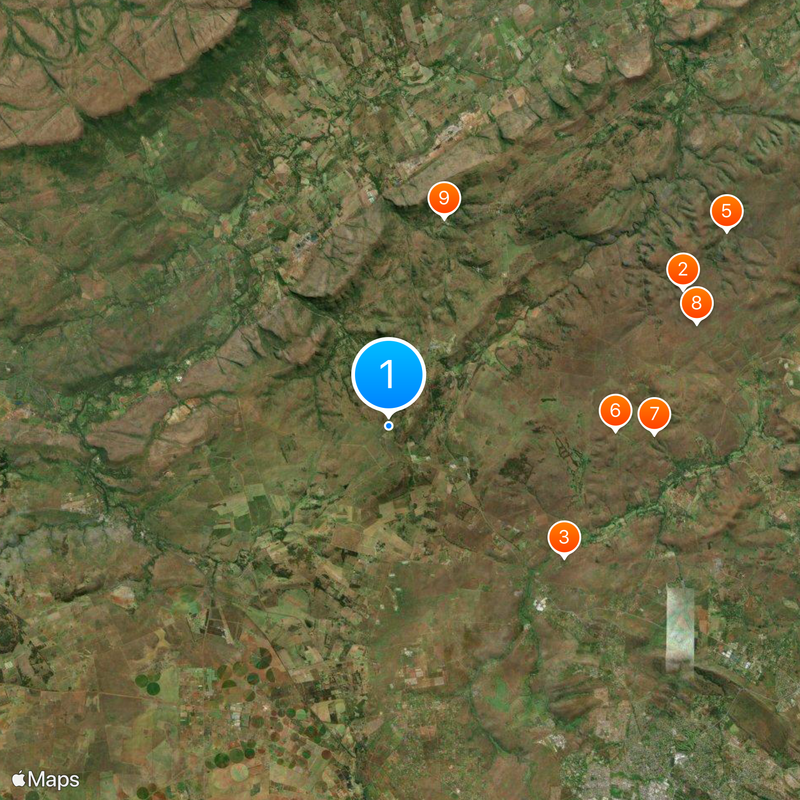
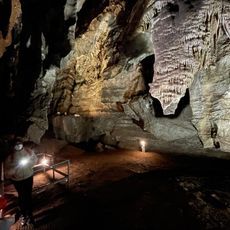
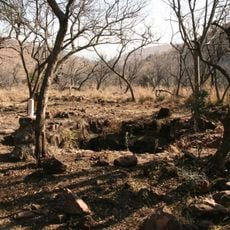
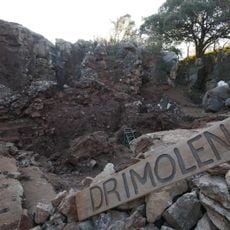
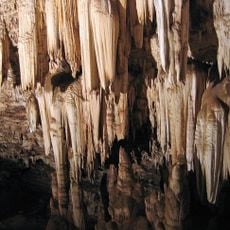
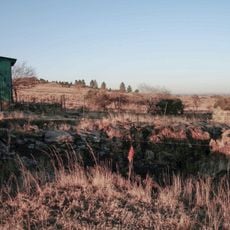
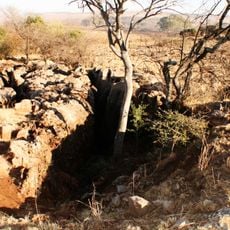
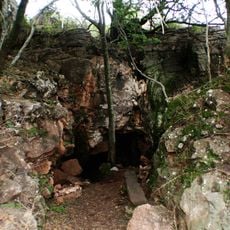
This area holds limestone caves where fossil chambers connect through underground passages and lakes, covering a wide region north of Johannesburg. The site consists of several cave systems, including Sterkfontein, Swartkrans, and Kromdraai, each with its own excavation sites and geological formations.
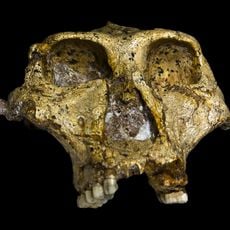
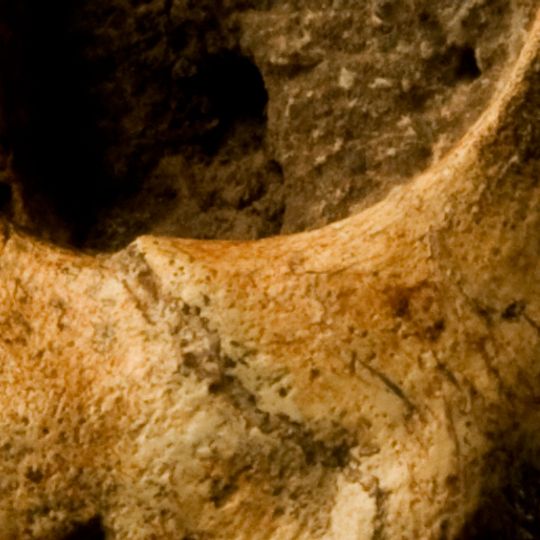
Researchers found the 2.3-million-year-old skull of an Australopithecus africanus in the Sterkfontein Caves during 1947, naming it Mrs Ples. Later digs uncovered many more early hominin remains, establishing the region as a central location for studying human evolution.
Maropeng takes its name from Setswana, meaning "returning to the place of origin," a phrase that reflects how local communities view the site's role in human beginnings. Visitors walk through exhibits designed to mirror the journey of discovery, with displays arranged to show how fossils reveal connections between ancient hominins and modern humans.
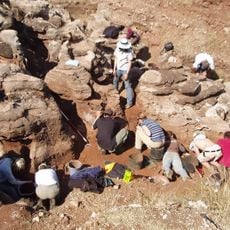
Tours through the caves run several times each day, letting visitors explore excavation areas and learn about paleontological finds. Pathways inside can be slippery, so sturdy footwear is recommended, and the temperature remains cool even in summer.
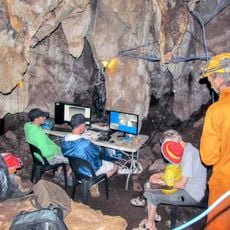
The Rising Star cave system yielded over 1,200 specimens of Homo naledi in 2013, suggesting this early human species deliberately placed bodies in specific locations. The narrow passages researchers had to crawl through to reach the chamber raise questions about how these hominins themselves accessed such difficult areas.
The community of curious travelers
AroundUs brings together thousands of curated places, local tips, and hidden gems, enriched daily by 91,360 contributors worldwide.