Drimolen, Archaeological research site in Gauteng, South Africa.
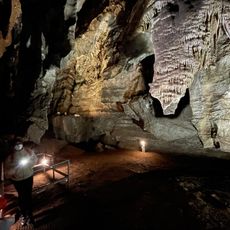
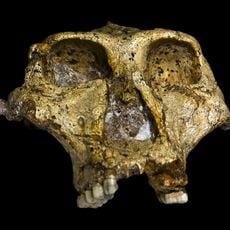
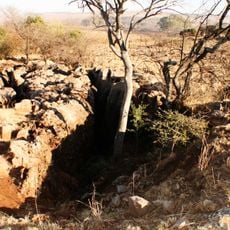
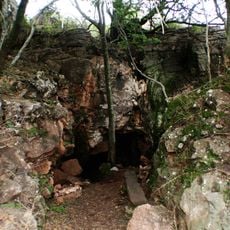
Drimolen is a palaeocave system of terminal Pliocene to early Pleistocene fossil fills about 40 km north of Johannesburg, roughly 6 km north of Sterkfontein in the Cradle of Humankind. Its main quarry, a single large palaeocavern, has yielded Paranthropus robustus, early Homo and Homo erectus remains; a second deposit, the Makondo, lies about 50 m away and consists of low, maze-like passages.
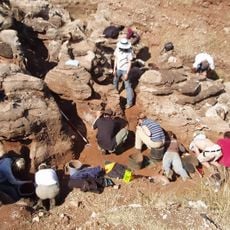
The site was discovered in 1992 and systematically excavated over the following decades, uncovering important skulls and bones that reveal information about early human species. These discoveries have significantly shaped our understanding of human development in Africa.
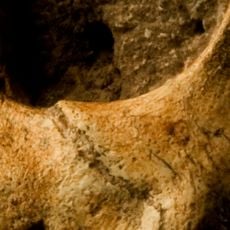
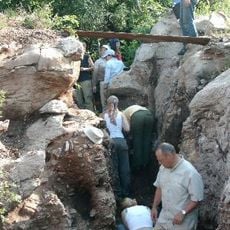
The name Drimolen comes from the farm on which the site lies. Field schools from the University of Florence, the University of Victoria and La Trobe University have excavated here, and Washington University in St Louis runs a field school every June. The skull DNH 134 was nicknamed "Simon" after excavation team member Simon Mokobane, who died in 2018.
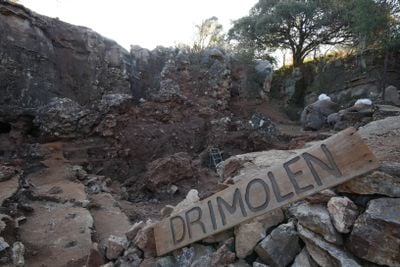
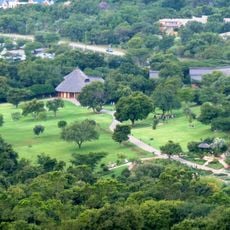
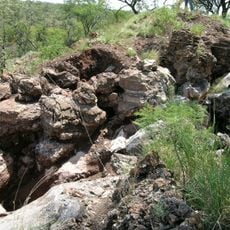
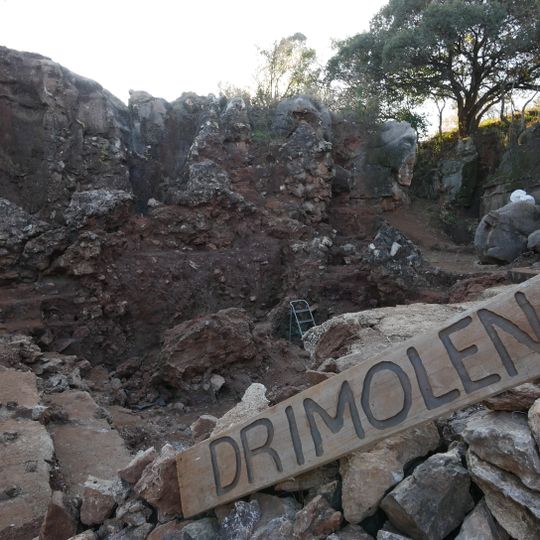
Drimolen lies in the Cradle of Humankind, about 6 km north of Sterkfontein and roughly 40 km north of Johannesburg. Excavation permits are held by the University of Johannesburg and La Trobe University, and access to the dig areas is arranged through the research team; a US field school runs at the site each June. The wooden "DRIMOLEN" sign sits on a heap of excavated grey and brown rock below a steep cut face.
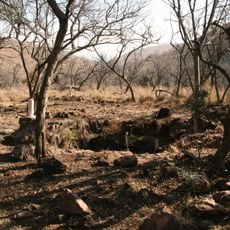
The site's name appears on a weathered wooden sign propped on excavated rock at the dig. Two deposits lie about 50 metres apart: the Main Quarry, dated to roughly 2.04–1.95 million years, and the Makondo, found in 2013 and dated to about 2.61 million years, with low maze-like passages and no hominin remains so far.
The community of curious travelers
AroundUs brings together thousands of curated places, local tips, and hidden gems, enriched daily by 94,244 contributors worldwide.