Malapa Fossil Site, Cradle of Humankind, Archaeological cave in Gauteng, South Africa
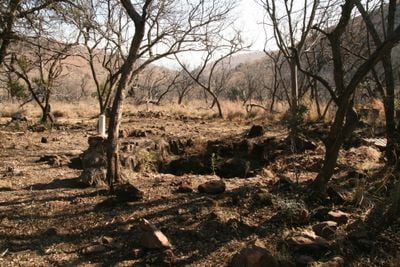
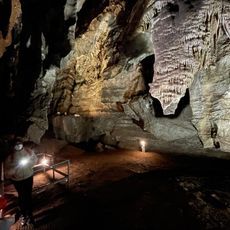
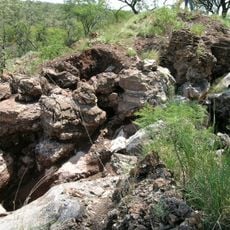
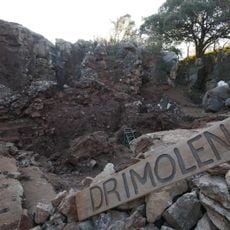
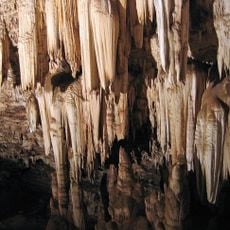
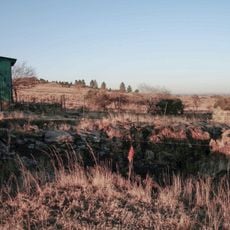
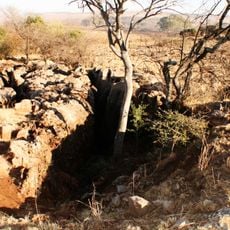
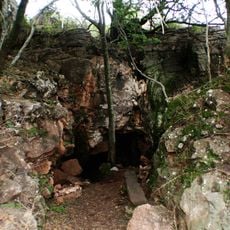
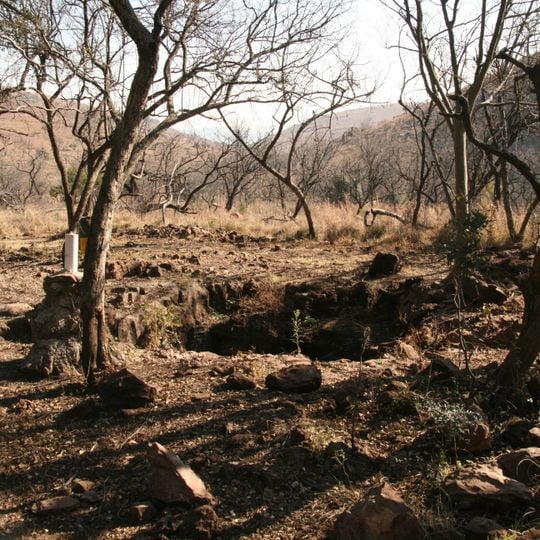
Malapa is an archaeological cave in South Africa's Gauteng province that contains fossil deposits preserved in calcified sediments formed at the bottom of an ancient underground lake. The site sits in a limestone area near Johannesburg that is known for discoveries of human ancestor remains.
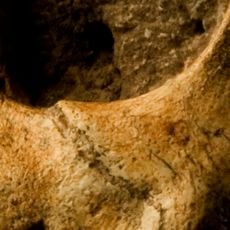
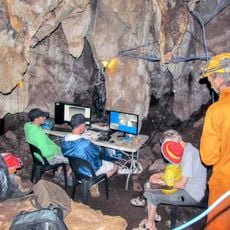
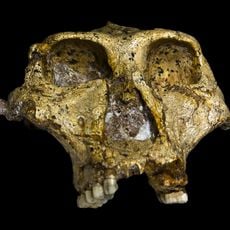
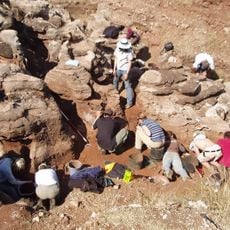
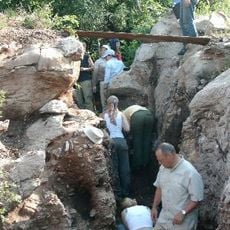
Scientists discovered over 200 fossil remains here in 2008, including skeletal parts of Australopithecus sediba. These finds date to about 2 million years ago and helped researchers understand how our species developed over time.
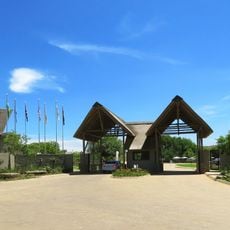
The site is part of the Cradle of Humankind World Heritage complex, standing alongside other important fossil locations like Sterkfontein and Swartkrans. Visitors can understand here why this region matters so much for studying our early ancestors.
Access is through organized tours led by knowledgeable guides who explain the significance of the discoveries. It is wise to wear proper footwear and be prepared for uneven ground, as the cave sits on rough terrain.
The fossils may represent a transitional form between earlier and later human relatives, which changed scientific debate about our evolutionary history. This discovery was so important that it helped shape new theories about how the human line developed.
The community of curious travelers
AroundUs brings together thousands of curated places, local tips, and hidden gems, enriched daily by 92,641 contributors worldwide.