Kromdraai fossil site, Archaeological cave site in Gauteng, South Africa.
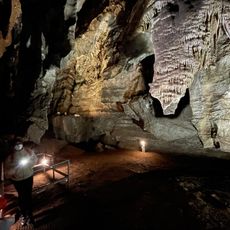
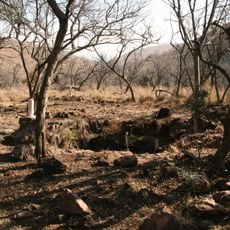
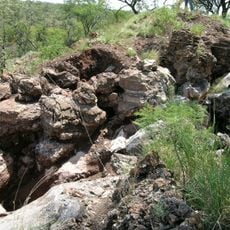
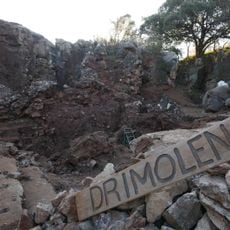
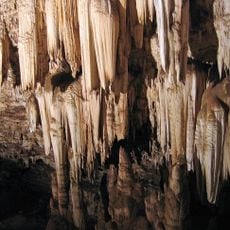
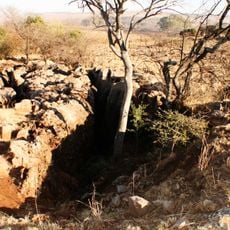
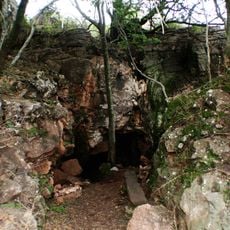
Kromdraai fossil site occupies dolomite caves along the Blaauwbank stream and is divided into two main excavation areas with different fossil assemblages. The caves expose layers from various periods and preserve remains of early human ancestors alongside animal species from the same era.
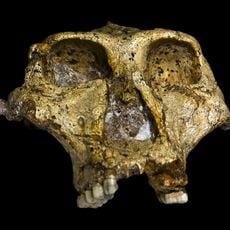
The site came to light in 1938 when a local student discovered hominin teeth that were later identified as belonging to Paranthropus robustus. This find established the location as a key source for understanding early human evolution in the region.
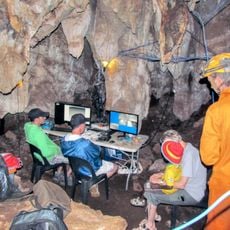
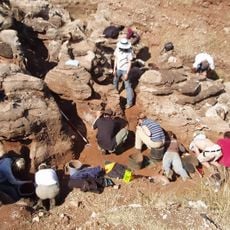
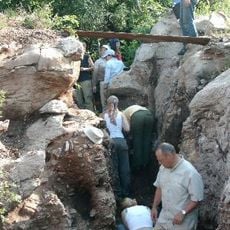
The name Kromdraai is Afrikaans for "crooked turn", referring to the bend in the nearby road. The site lies within the Cradle of Humankind World Heritage Site, inscribed by UNESCO in 2000, and is itself a South African National Heritage Site. Excavations have continued since 2002 under José Braga of the University of Toulouse.
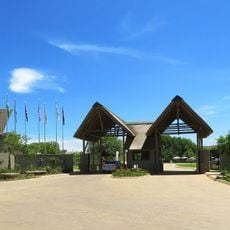
Kromdraai lies about 2 km east of Sterkfontein and 45 km northwest of Johannesburg, reached by road; the R563 is the usual approach from the city. The site is a roofless dolomite cave on the southern side of the Blaauwbank stream, with Kromdraai A standing 30 m south of Kromdraai B. Excavations led by José Braga have run since 2002, so parts of the deposit may be closed off; check access before setting out.
Kromdraai is one of only two South African sites to have yielded fossils of both Australopithecus and Paranthropus; at Sterkfontein, by contrast, Paranthropus is known from just five isolated teeth. The holotype of Paranthropus robustus, TM 1517, was found here in 1938, and Robert Broom created the genus Paranthropus on that occasion.
The community of curious travelers
AroundUs brings together thousands of curated places, local tips, and hidden gems, enriched daily by 94,187 contributors worldwide.