Maiko National Park, National park in eastern Democratic Republic of the Congo
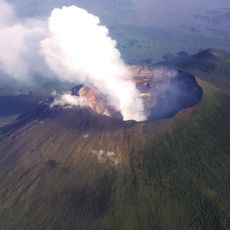
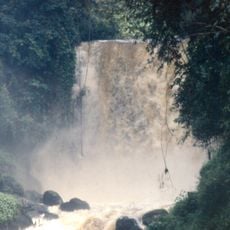
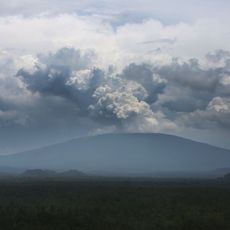
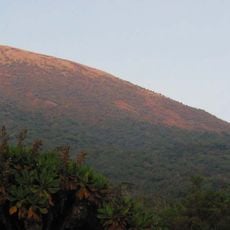
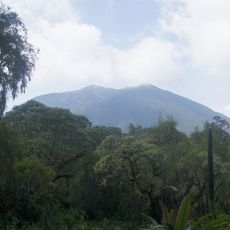
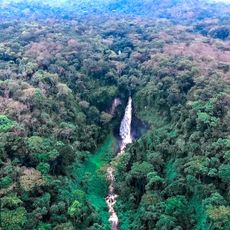
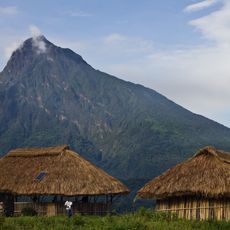
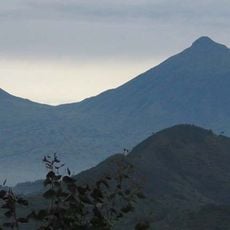
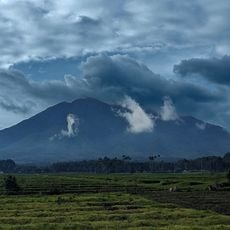
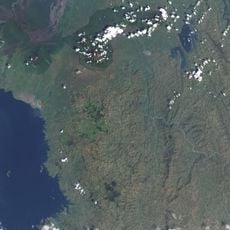
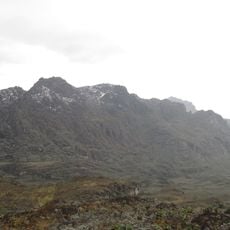
Maiko National Park is a large protected area covered in dense tropical forest that extends across eastern Democratic Republic of the Congo. The park comprises distinct zones, each featuring different landscape types and forest conditions.
In 1949 the Belgian colonial administration created the Bakumu Hunting Reserve, named after the Kumu people of the region, mainly to block mineral exploitation rather than to protect wildlife. Presidential Decree no. 70-312, signed by Joseph Désiré Mobutu on 20 November 1970, turned the area into Maiko National Park. After their defeat in 1964, Simba rebels withdrew into this roadless forest and have since lived by poaching and controlling illegal mining.
The park lies in Bakumu territory; the name Bakumu means "the Kumus", the local tribe, and was given to the 1949 hunting reserve that preceded the park. Since 2010 the Frankfurt Zoological Society has recruited former Simba rebels as park rangers, and Fauna & Flora International began building schools and health centres for villages in the area the same year.
The park is roadless and lies in one of the most remote forested areas of the country, so access is normally arranged with the ICCN and experienced local guides. The eastern sector is relatively flat, around 1,000 m in elevation, up to the Lindi River, while the north forms the southern part of the Ituri Rainforest. Rainfall is high, peaking in October and November, with a drier season in July and August.
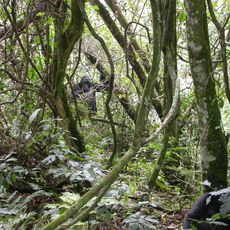
The aquatic genet, an endemic carnivore of the Congo Basin, lives in the park, and Maiko has been designated an Important Bird Area by BirdLife International. The first thorough survey came only in 1989, when the Wildlife Conservation Society and ICCN teams walked about 950 km of transects.
The community of curious travelers
AroundUs brings together thousands of curated places, local tips, and hidden gems, enriched daily by 93,127 contributors worldwide.