Katwe craters, Volcanic crater system in Queen Elizabeth National Park, Uganda
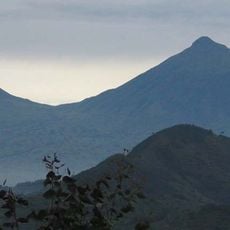
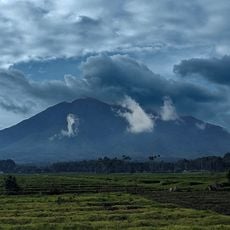
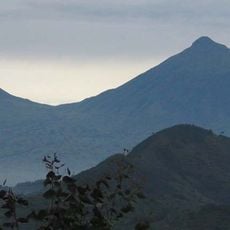
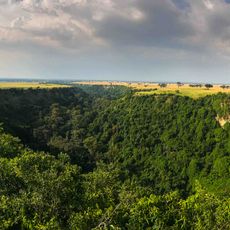
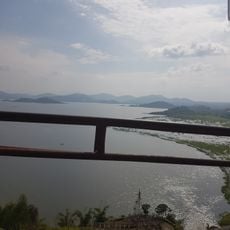
Katwe craters form a volcanic depression system within Queen Elizabeth National Park, consisting of numerous sunken areas created by ancient eruptions. Several of these depressions have filled with saltwater, creating lakes that dot the landscape and give it a distinctive character.
The craters formed from volcanic activity in the region's geological past and have long served as sources of salt for local communities. Salt mining here sustained economic activity for the local population across many centuries.
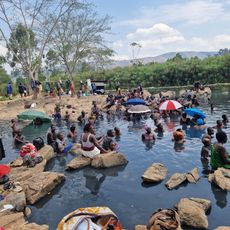
The name Katwe refers to salt production in the local language, reflecting the importance of this resource throughout history. Today, visitors can see salt extraction ponds scattered across the landscape, where workers continue practices passed down through generations.
The crater field can be explored by vehicle along designated routes that pass through the landscape and stop at viewing points. It is worth allowing ample time to move slowly through the area and observe the different terrain and seasonal water levels.
Some crater areas have been transformed into orderly salt ponds where water evaporates naturally in controlled systems. These ponds create geometric patterns that blend the natural crater landscape with human work and management.
The community of curious travelers
AroundUs brings together thousands of curated places, local tips, and hidden gems, enriched daily by 91,268 contributors worldwide.