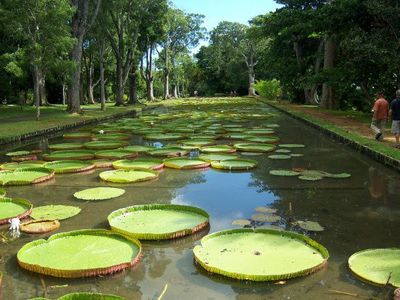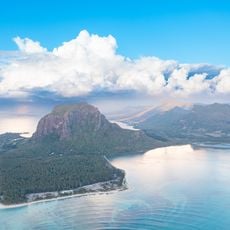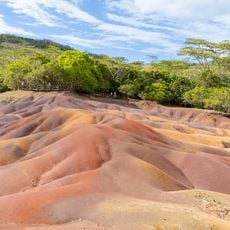
Mauritius Island, Tropical island destination in Indian Ocean, Mauritius
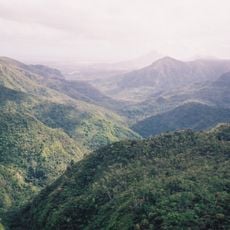
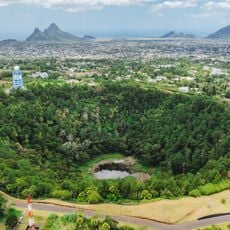
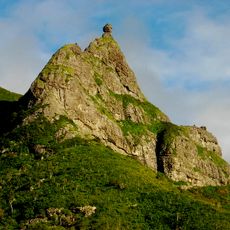
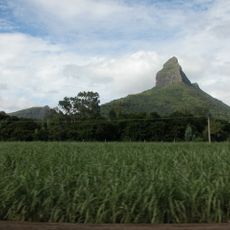
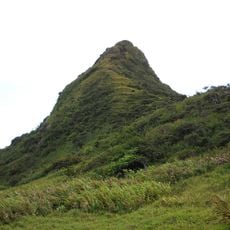
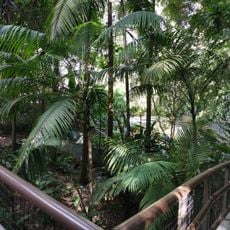
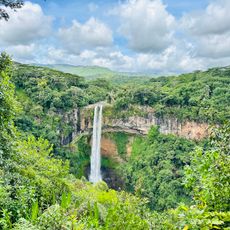
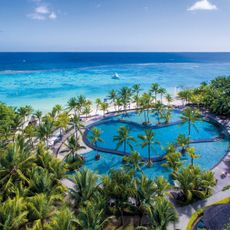
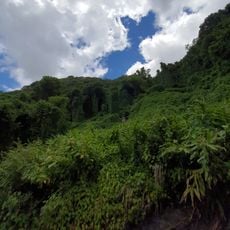
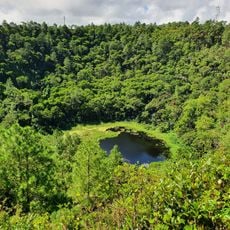
Mauritius Island is a volcanic landmass in the Indian Ocean, roughly 45 kilometers long and 28 kilometers wide, with coral reefs encircling its 160-kilometer coastline. The interior consists of extinct volcanic peaks, forested hills, sugarcane fields, and small rivers that flow down into the lagoons.
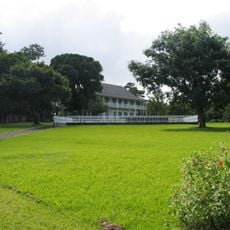
Portuguese sailors reached the uninhabited island in 1505, before Dutch settlers established colonies and introduced sugarcane plantations during the 17th century. Later, France and Britain took control, bringing workers from India, Africa, and China to labor on the plantations.
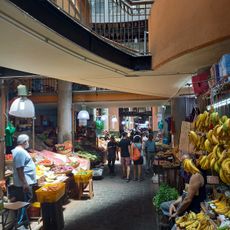
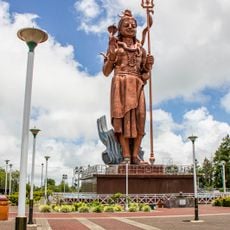
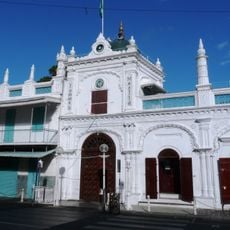
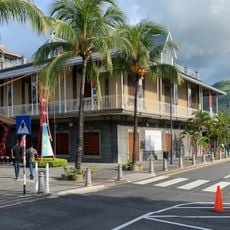
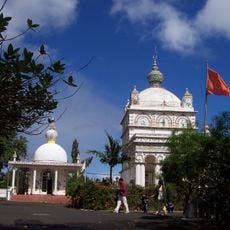
The island is home to descendants of Indian, African, French, and Chinese migrants who maintain their religious practices, cooking traditions, and architectural styles in everyday life. In towns and villages, temples stand near churches, mosques beside Creole houses, and street markets offer spices, textiles, and crafts from all these communities.
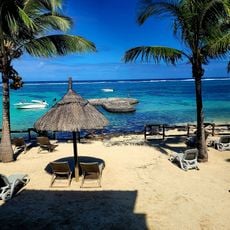
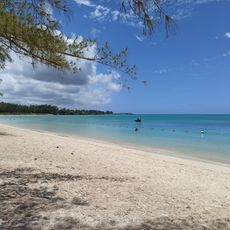
Visitors arrive through Sir Seewoosagur Ramgoolam International Airport, which connects directly with major cities in Africa, Asia, and Europe. Most beaches line the west coast, while the southern and eastern shores have rougher waves and are better suited for hiking.
The extinct Dodo bird lived only here before the last known specimen vanished in 1662, making this the only natural habitat the species ever had. Some museums and gardens display replicas and bones that recall the flightless bird.
The community of curious travelers
AroundUs brings together thousands of curated places, local tips, and hidden gems, enriched daily by 60,000 contributors worldwide.