Mauritius, Island nation in Indian Ocean, East Africa
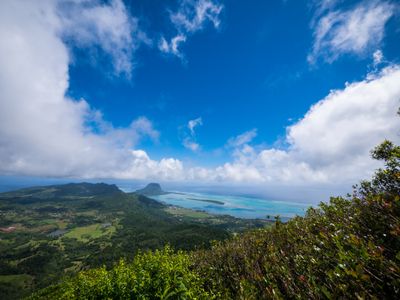
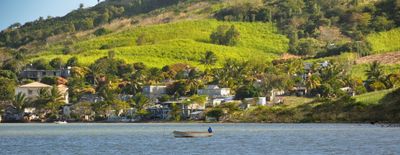
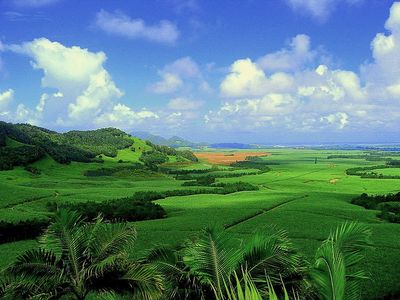
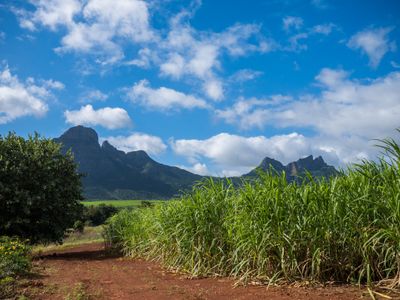
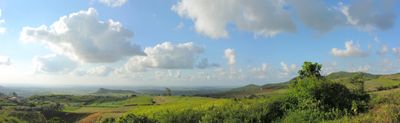
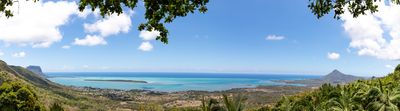
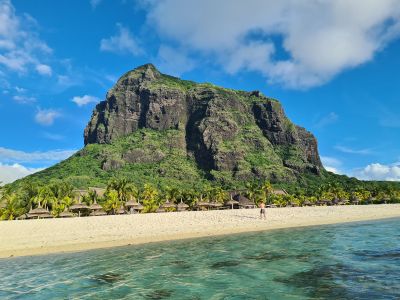
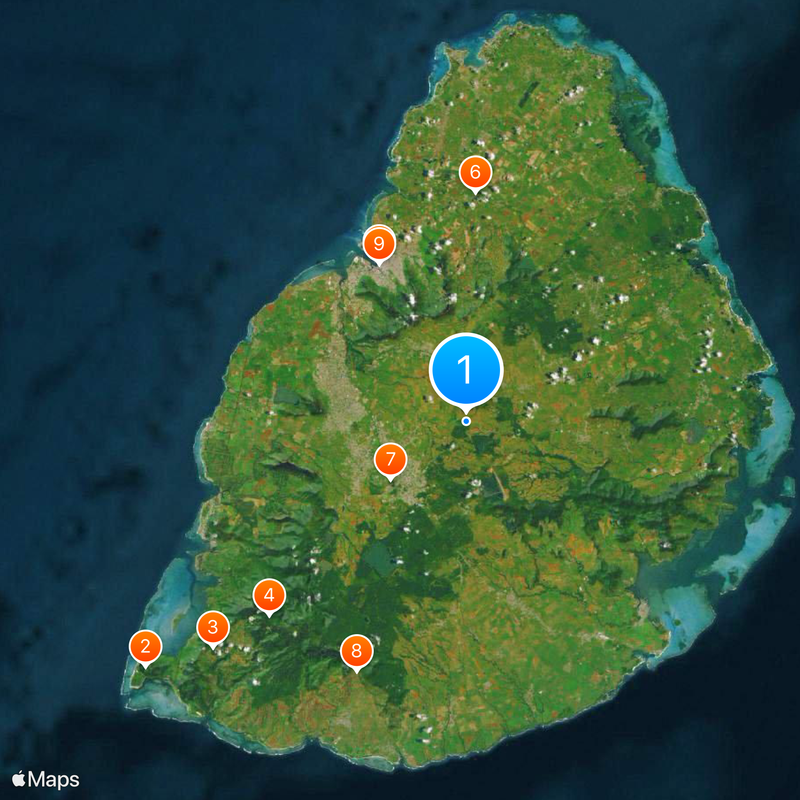
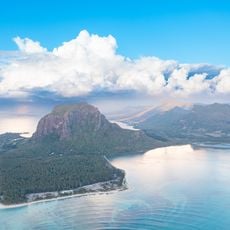
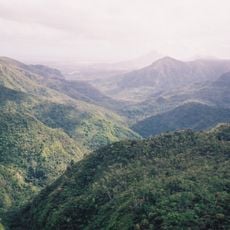
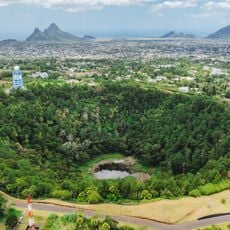
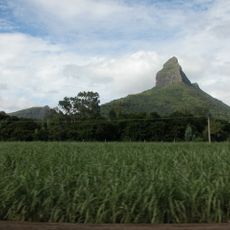
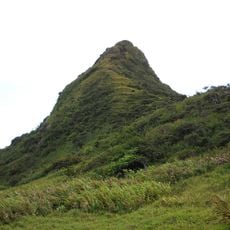
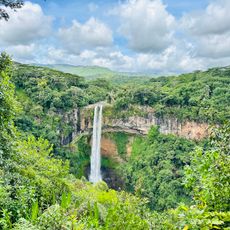
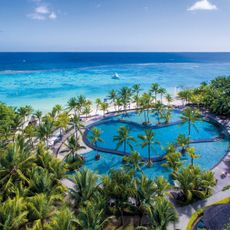
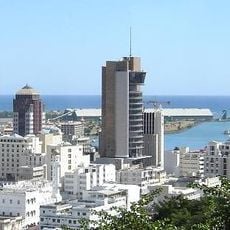
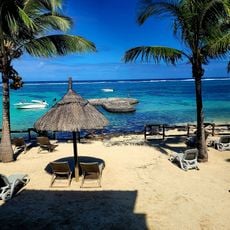
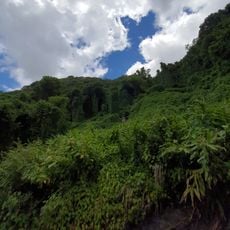
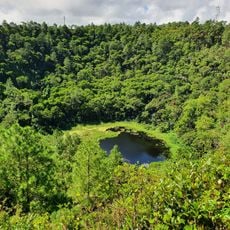
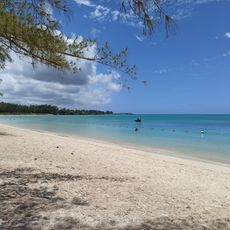
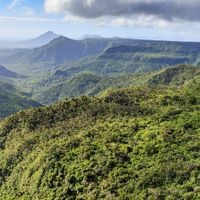
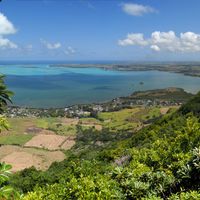
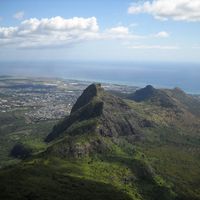
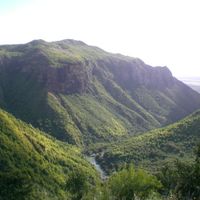
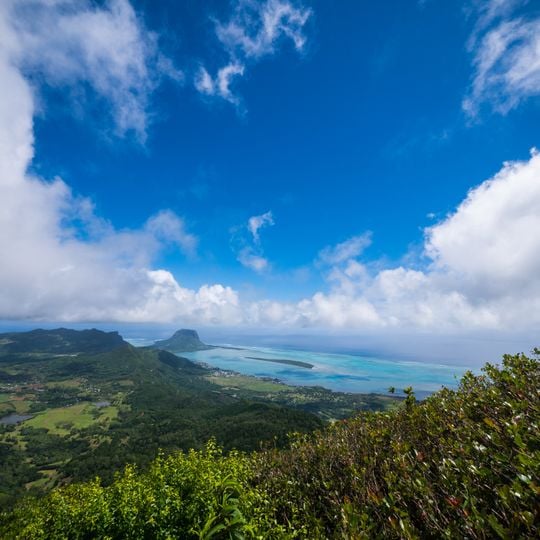
Mauritius is an island nation in the Indian Ocean off the eastern coast of Africa, with a volcanic main island surrounded by coral reefs and lagoons. Sugar cane fields cover much of the interior, while mountains rise in the center and white sand beaches line the coast.
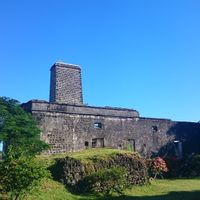
Portuguese sailors reached the uninhabited island in the early 16th century, before the Dutch established a settlement from 1638 and the French later took over administration from 1715. The British controlled the island from 1810 and led it to independence in 1968, when the country gained its first prime minister.
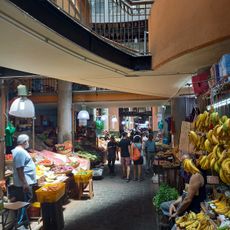
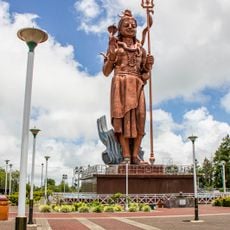
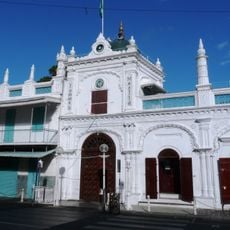
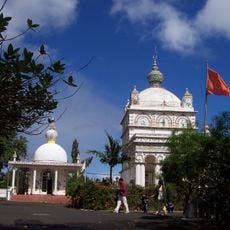
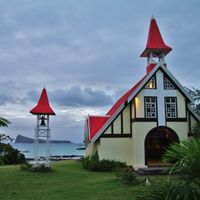
People speak a mix of Mauritian Creole, French, English and several Asian languages in daily conversation, heard in shops, markets and street life across the country. Temples, churches and mosques often stand just a few blocks apart, while festivals like Diwali, Cavadee and the pilgrimage to Père Laval bring together people of different faiths.
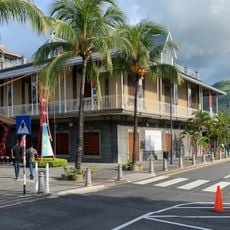
The international airport in the southeast offers year-round direct connections to Europe, Asia and Africa, while the months from May to December outside the cyclone season bring the most comfortable travel weather. Multilingual signage helps with orientation, as road signs are often written in both English and French.
The extinct dodo, a flightless bird that lived only here until the mid-17th century, remains the national symbol and appears on the coat of arms, stamps and coins. Many local businesses and organizations use the bird as a mascot or logo, even though no one has seen a living specimen since then.
The community of curious travelers
AroundUs brings together thousands of curated places, local tips, and hidden gems, enriched daily by 90,753 contributors worldwide.