Ankarafantsika National Park, National park in northwestern Madagascar.
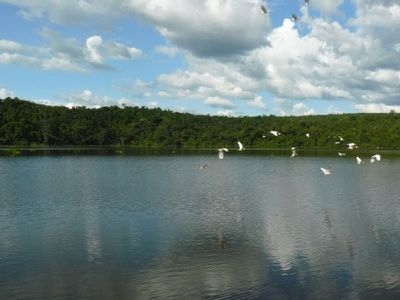
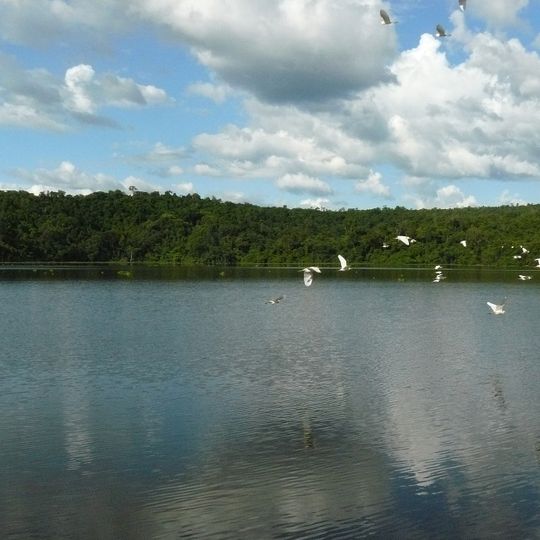
Ankarafantsika National Park is a protected area in northwestern Madagascar featuring dry deciduous forests, wetlands, and savannas spread across the landscape. The park contains several lakes and represents different habitat types that support different wildlife communities.
The park was founded in 1927 and grew from two separate reserves that formally merged in 2002 to create a larger protected area. This union expanded the conservation efforts across the region.
The Sakalava are the predominant ethnic group living and farming in and around Ankarafantsika, and some land within the park is farmed by them. Visitors pass their villages and cultivated plots along the tracks between the dry forest and the lakes. The park's guides come from these riverside communities and explain the local names of species, such as "néné" for the Madagascan big-headed turtle.
Ankarafantsika lies along Route Nationale 4 between Antananarivo and Mahajanga, about 450 km from the capital and 114 km from Mahajanga; Lake Ravelobe sits right beside the road. The dry season runs from May to November and the wet season from December to April, with fires mostly in September and October. Tracks and paths cross the park, and guides and lodging are available.
Ankarafantsika is the only national park where the nocturnal mouse lemur Microcebus ravelobensis and the western woolly lemur Avahi occidentalis both occur. The greater big-footed mouse, a small rodent described relatively recently, is known only from the park and its surroundings.
The community of curious travelers
AroundUs brings together thousands of curated places, local tips, and hidden gems, enriched daily by 93,108 contributors worldwide.