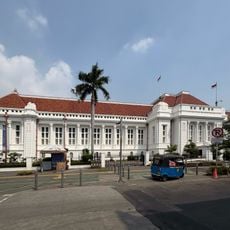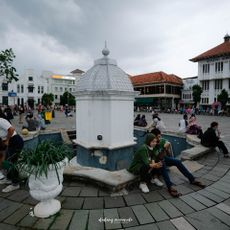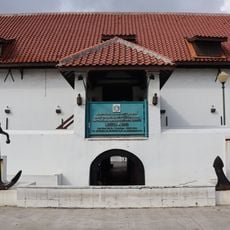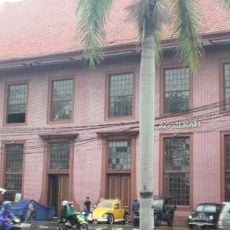
Kota Tua Jakarta, Colonial district in Jakarta, Indonesia.
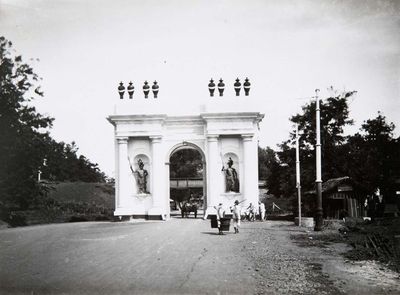
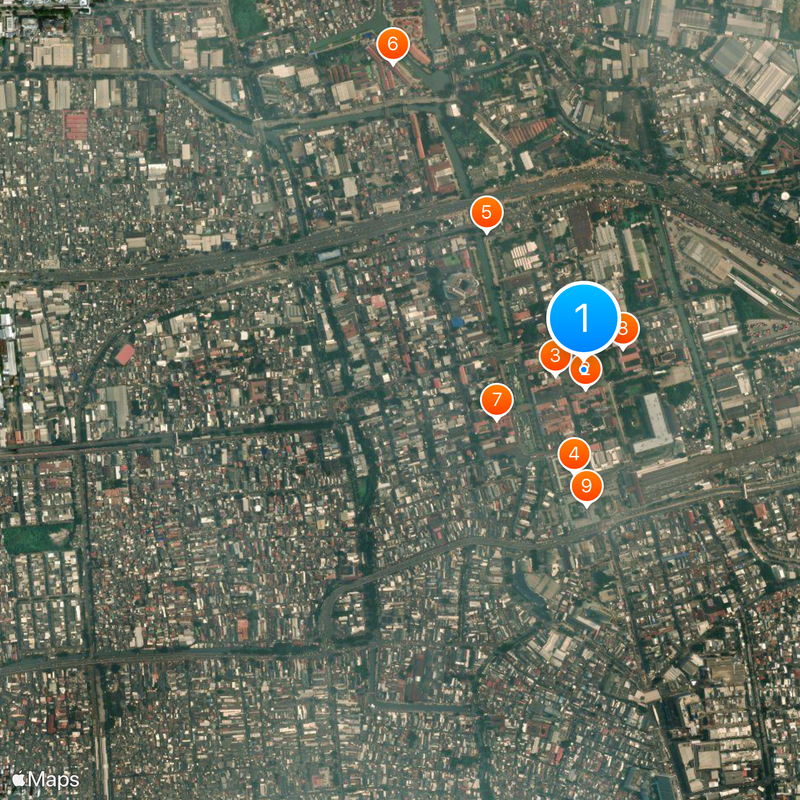
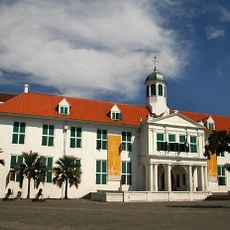
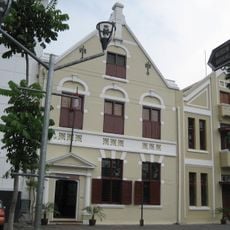
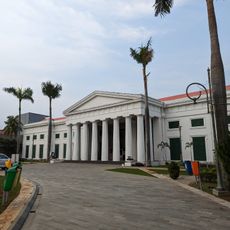
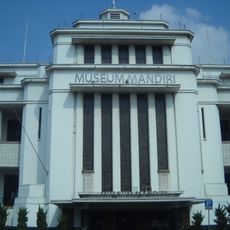
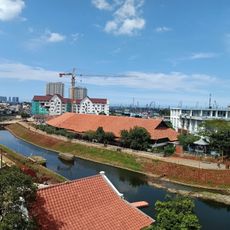
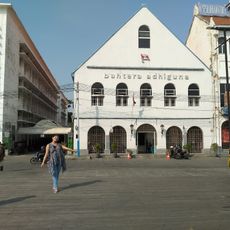
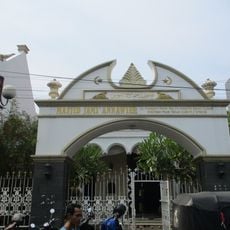
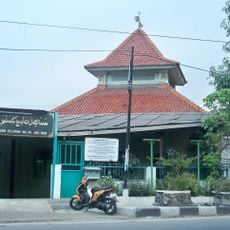
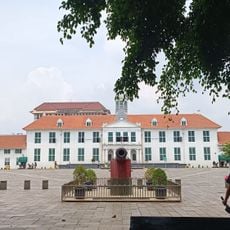
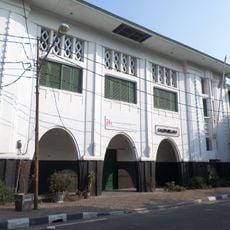
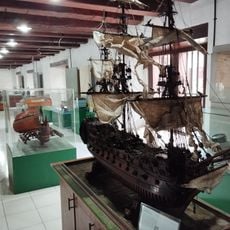
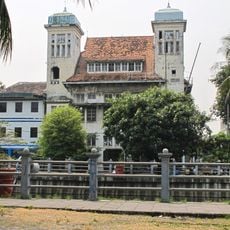
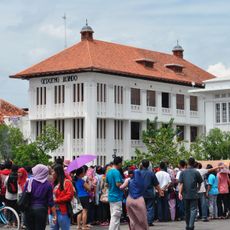
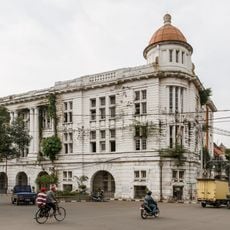
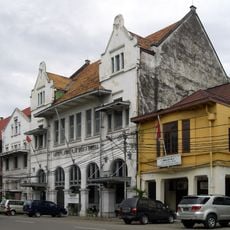
Kota Tua Jakarta is a neighborhood in Jakarta, Indonesia, spanning 1.3 square kilometers (0.5 square miles) with numerous Dutch colonial buildings, museums, and historic squares connected by narrow cobblestone streets and former canals. The buildings display different architectural styles from the 17th to 19th centuries, with many facades still preserving original colonial-era colors and decorative details.
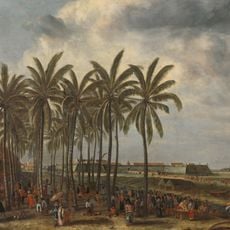
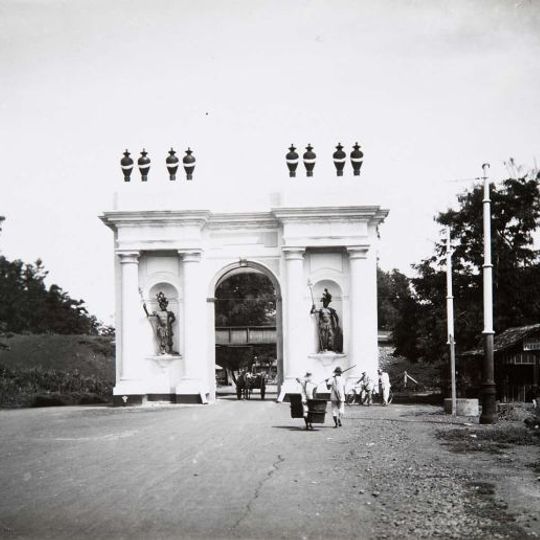
The Dutch East India Company founded Batavia in 1618 as its Asian headquarters for spice trade and developed the settlement into a port with fortifications and warehouses. Over the centuries the city center shifted southward, leaving the old core gradually abandoned until restoration efforts began in the late 20th century.
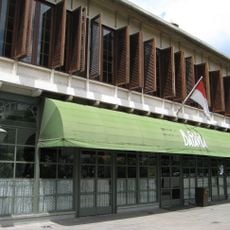
The name Batavia still appears on shopfronts and building facades even though the city was renamed Jakarta in 1949. Street vendors sell traditional drinks and snacks under the shade of old colonial buildings while families rent vintage Dutch-era bicycles on Fatahillah Square and ride them across the cobblestones on weekends.
The district is best explored on foot since most attractions lie within a 1.9-kilometer (1.2-mile) walk and connect through a network of paved lanes. An early morning visit offers cooler temperatures and fewer crowds, while weekends bring more activity and life to the squares.
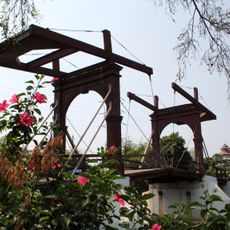
The Jembatan Kota Intan from 1628 is the only surviving Dutch drawbridge in Jakarta and still operates with its original mechanism. A small canal runs beneath the bridge that was once part of an extensive waterway network threading through the entire colonial town.
The community of curious travelers
AroundUs brings together thousands of curated places, local tips, and hidden gems, enriched daily by 92,691 contributors worldwide.