Gunung Malabar, Stratovolcano in West Java, Indonesia
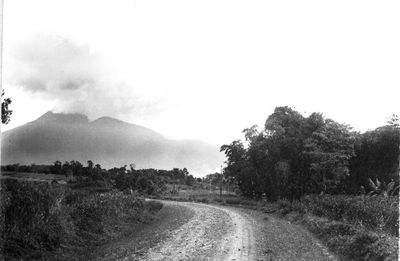
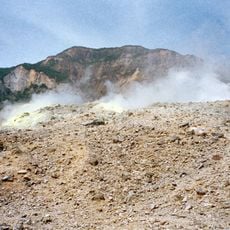
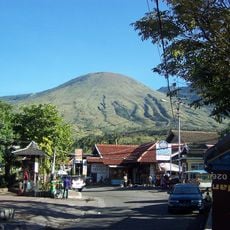
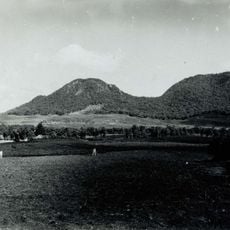
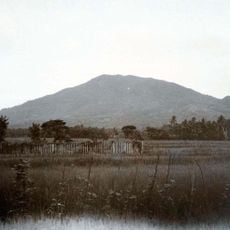
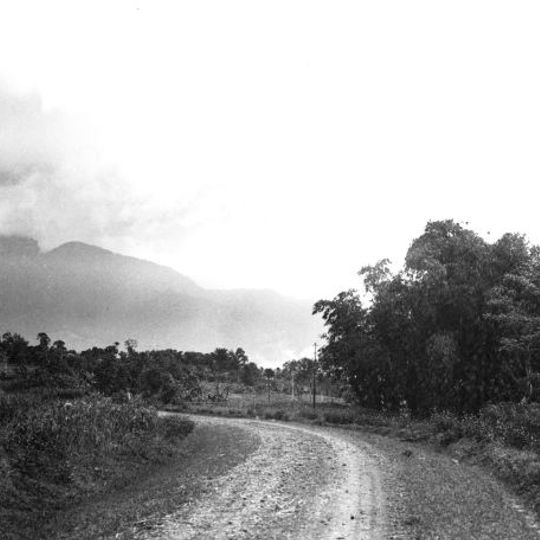
Gunung Malabar is a stratovolcano in West Java that rises 2,343 meters above sea level. The mountain features steep slopes built from layers of volcanic materials and supports several tea plantations across its fertile terrain.
The volcano was active during the Pleistocene epoch, with its final eruption occurring between 4.4 and 2.6 million years ago. Since then, the mountain has evolved into a stable geological formation shaped by ongoing erosion processes.
The mountain holds deep roots in local Sundanese tradition and remains a defining landmark in the region's relationship with the land. Communities have shaped the slopes through agricultural practices that blend daily life with the natural landscape.
The mountain displays four different forest zones depending on elevation, from tropical rainforest to mountain forest types. When exploring the slopes, you will notice distinct changes in vegetation as you move upward, each zone offering different hiking conditions and views.
Deep valleys have been carved into the mountainsides through water erosion, revealing layers of volcanic material that tell the story of millions of years of natural sculpting. These erosion patterns become especially visible when walking through the steep gullies, where you can see how water has shaped the terrain over vast stretches of time.
The community of curious travelers
AroundUs brings together thousands of curated places, local tips, and hidden gems, enriched daily by 91,657 contributors worldwide.