Kawah Putih, Volcanic crater lake in West Java, Indonesia.
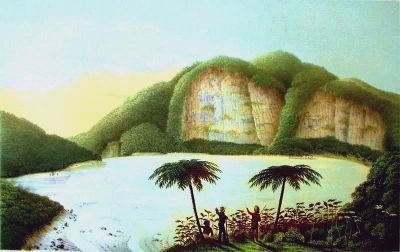
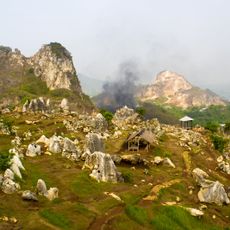
Kawah Putih is a crater lake in West Java sitting at about 2,430 meters elevation, known for its changing water colors and harsh chemical environment. The surrounding rocks and ground appear white due to constant exposure to highly acidic water, while the lake itself shifts from white to turquoise depending on sulfur levels and time of day.
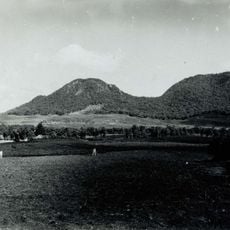
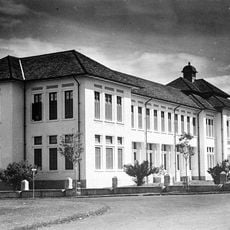
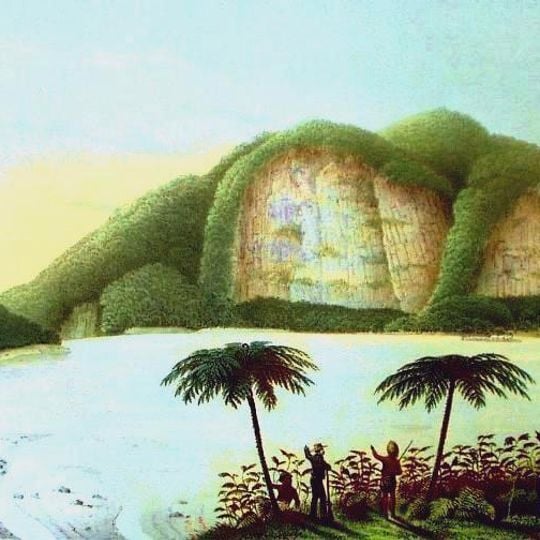
The crater lake was first documented by German botanist Franz Wilhelm Junghuhn in 1837, bringing scientific attention to the site. Following this discovery, sulfur mining operations took place during the Dutch colonial period, shaping how the area was used and developed.
The lake holds meaning for local communities as a natural wonder shaped by the earth's geological forces over time. Visitors today come to witness how this place reminds people of nature's power and their connection to the landscape.
The site sits at high elevation where temperatures are significantly colder, so warm clothing is necessary and visitors may feel the effects of altitude. Arriving early allows you time to acclimate and observe how the lake's colors shift throughout the day as light and chemical conditions change.
The water is so acidic that only a handful of organisms can survive there, making this an unusual place to see life thriving under extreme chemical conditions. The pH level can range between 0.5 and 1.3, which is comparable to strong chemical solutions you would find in a laboratory.
The community of curious travelers
AroundUs brings together thousands of curated places, local tips, and hidden gems, enriched daily by 60,000 contributors worldwide.