Candi dukuh, Hindu temple in Semarang, Indonesia
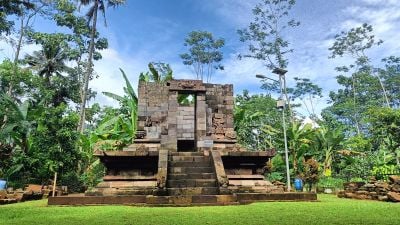
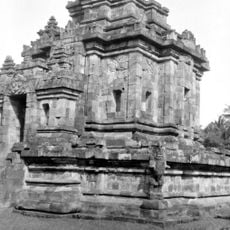
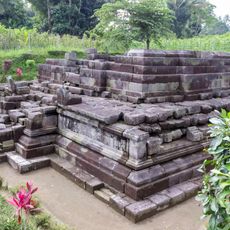
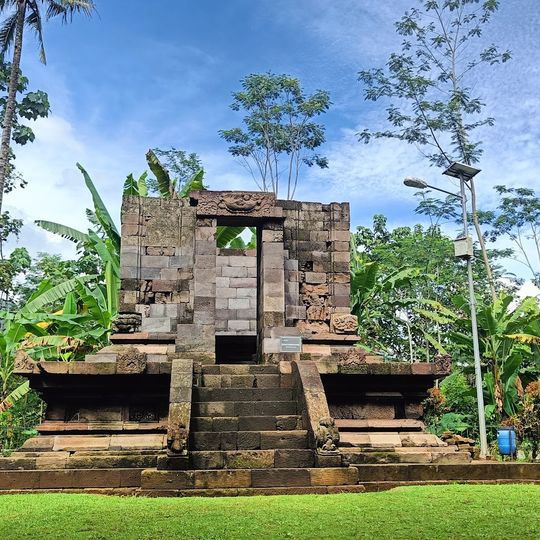
Candi dukuh is a stone temple featuring intricate carved wall decorations and a central Yoni structure that reflects its religious purpose. The site contains multiple stone elements that demonstrate the Hindu architectural heritage found on Java.
Candi Dukuh is a ruined Hindu temple on the edge of Rawapening near Ambarawa. Local residents link it to Prabu Brawijaya V of Majapahit, but its artefacts point to construction around the 9th century, during the Mataram Kuno kingdom. It is also called Candi Brawijaya because of the tradition that Brawijaya used the site for meditation.
Locals call it Candi Brawijaya, after King Brawijaya of Majapahit, who is said to have used the site for meditation; the name survives in village storytelling even though the stonework points to the 9th-century Mataram Kuno period. A juru kunci lives at the site, maintains it and explains its history to visitors.
The temple can be reached via the main Ambarawa-Salatiga road through Banyubiru, with directional signs near the local tourism area. The route is clearly marked and follows local roads to this remote location.
Locals call it Candi Brawijaya, after King Brawijaya V of Majapahit, who is said to have used the site for meditation. The stone artifacts themselves point to the 9th-century Mataram Kuno period, so the name preserves a later tradition rather than the temple's origin. Villagers also recall that several statues once stood here before they disappeared.
The community of curious travelers
AroundUs brings together thousands of curated places, local tips, and hidden gems, enriched daily by 94,134 contributors worldwide.