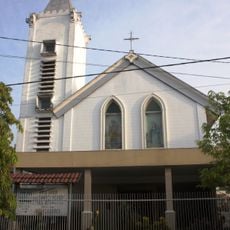
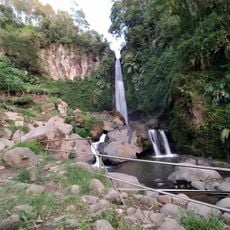
Trowulan, Archaeological site in Mojokerto, Indonesia.
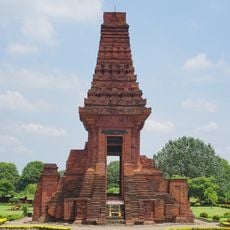
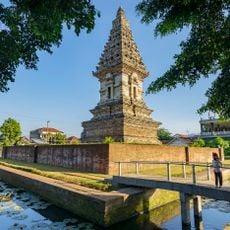
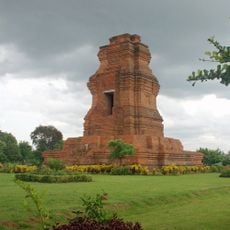
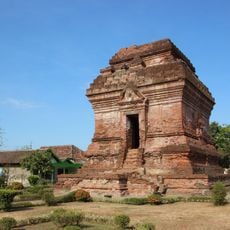
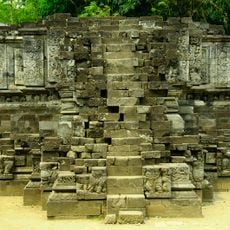
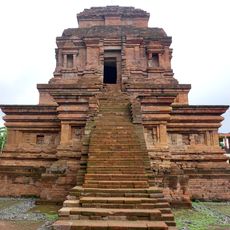
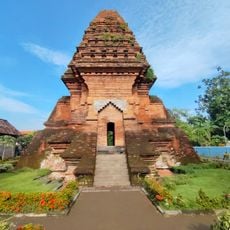
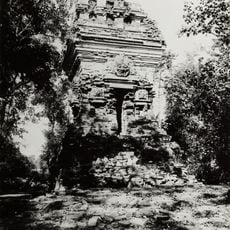
Trowulan is an archaeological site in Mojokerto, Indonesia, with temples, water systems and foundations from the medieval Majapahit Empire in East Java. The ruins spread over a wide area and show different building types, from religious structures to engineering works of the former capital.
Trowulan was the capital of the Majapahit Empire, known as Majapahit or Wilwatikta, until it was razed in 1478 during Girindrawardhana's invasion that defeated Kertabhumi; the capital then moved to Daha (Kediri). Thomas Stamford Raffles, Lieutenant-Governor of British Java from 1811 to 1816, reported 'ruins of temples.... scattered about the country for many miles' and called Trowulan 'this pride of Java'.
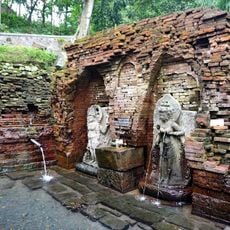
The name Trowulan comes from the district where most large structures were found; Henri Maclaine Pont derived it from "Setra Wulan", while Serat Darmagandhul pupuh XX names "Sastrawulan" as the burial place King Brawijaya requested. The 15th-century Chinese account Yingyai Shenglan by Ma Huan describes Man-The-Po-i as a very large city where the king resided. Candi Tikus was named for the rats found when it was uncovered in 1914.
The archaeological area is reached by road from larger cities in East Java, and guided tours can be booked on site. Paths between individual temples and ruins are laid out as visitor routes, allowing exploration of different sections in turn.
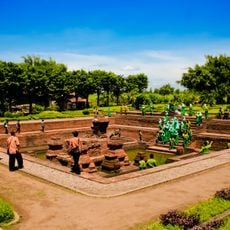
The rectangular Segaran water reservoir, a large basin within the grounds, shows the technical skills of medieval engineers in Java. The basin once supplied the capital and its inhabitants with water, and its dimensions are still clearly visible today.
The community of curious travelers
AroundUs brings together thousands of curated places, local tips, and hidden gems, enriched daily by 94,048 contributors worldwide.