Mount Penanggungan, Stratovolcano in East Java, Indonesia
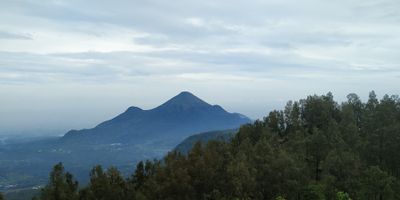
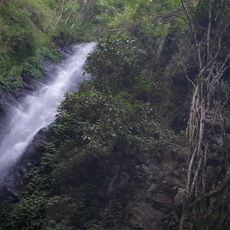
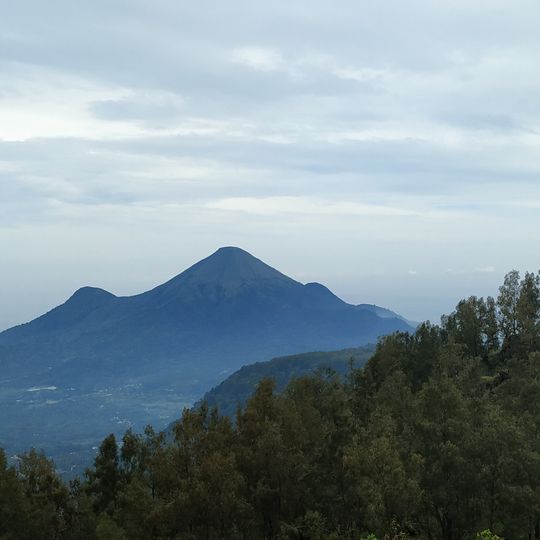
Mount Penanggungan is a stratovolcano in East Java, Indonesia, reaching 1,653 meters in height with a conical form composed of layered hardened lava and volcanic debris. Vegetation covers most slopes densely, interrupted by exposed rock formations and steep sections near the summit where wind keeps trees low.
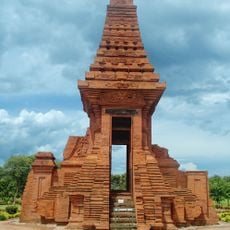
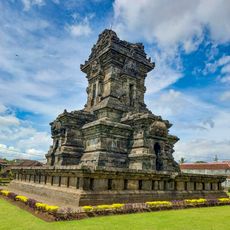
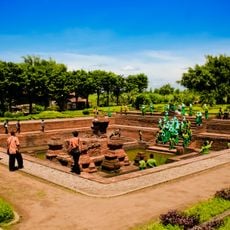
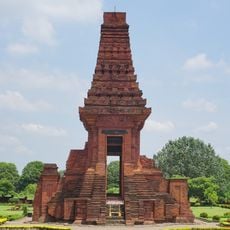
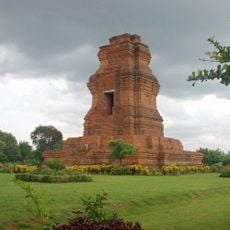
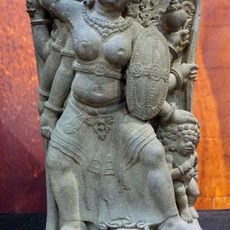
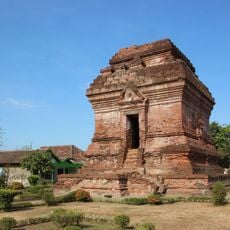
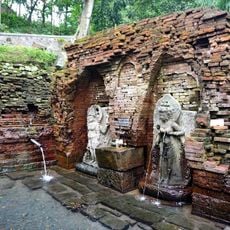
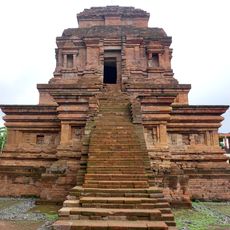
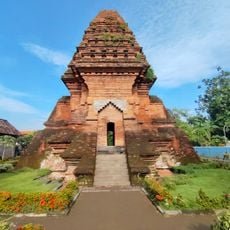
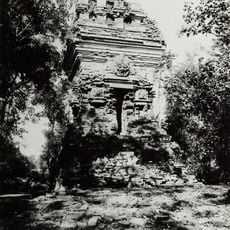
Between 977 and 1511, numerous Hindu-Buddhist temples and sacred monuments emerged on the slopes during the rule of different Javanese kingdoms. These structures served religious ceremonies and document the spiritual practices of ancient Javanese civilizations across several centuries.
The name derives from Penganggunan, a term referring to the support of the cosmic axis. This belief appears in the meditation terraces found along the forested slopes, still used by pilgrims for spiritual rites today.
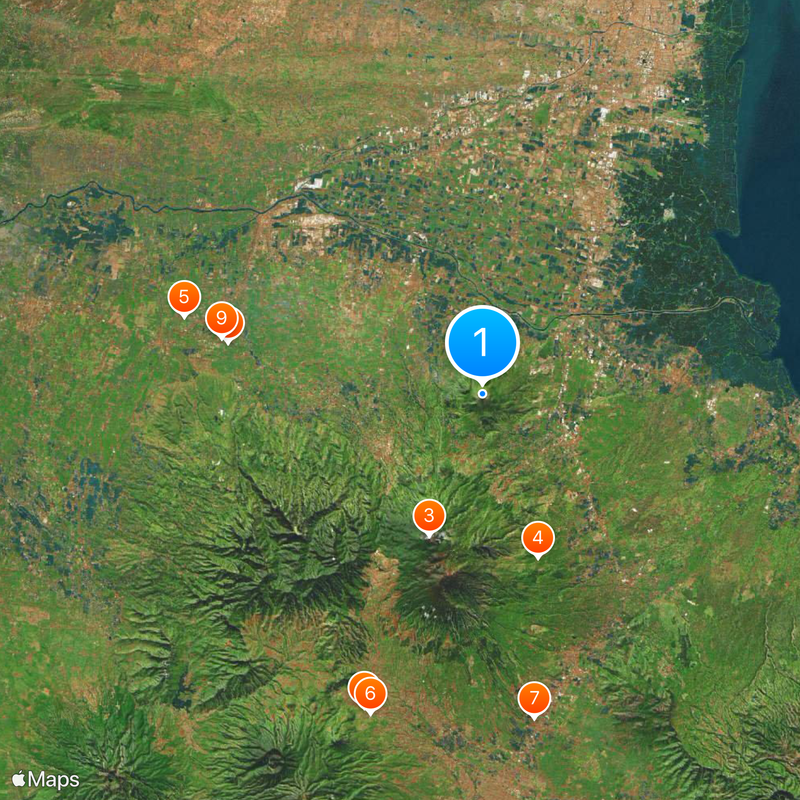
Several hiking trails lead to the summit from different starting points, including routes beginning in Wonosunyo, Betro, Jolotundo, and Tamiajeng villages. The paths run through dense vegetation and past temple ruins, with some sections featuring steep ascents and uneven terrain.
The temples were built directly into the slopes, integrating natural terrain into their structure while following stepped pyramid forms. This construction approach differs from other Indonesian sanctuaries where monuments stand freely on level ground.
The community of curious travelers
AroundUs brings together thousands of curated places, local tips, and hidden gems, enriched daily by 92,722 contributors worldwide.