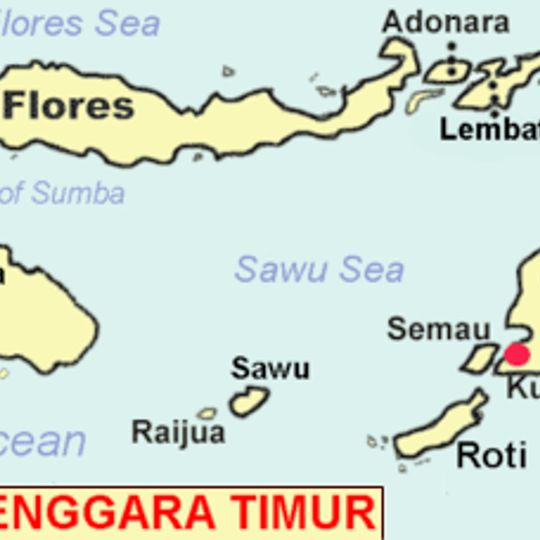
Sabu Island, Tropical island in East Nusa Tenggara, Indonesia
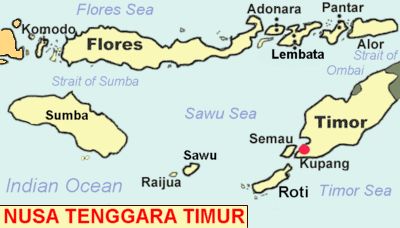
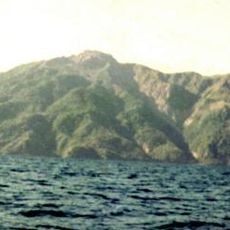
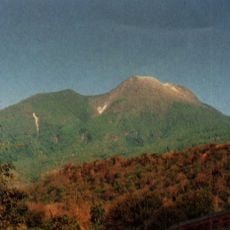
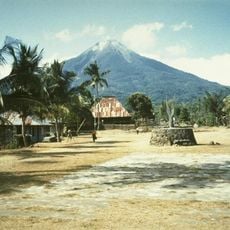
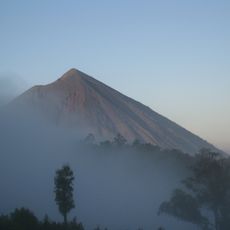
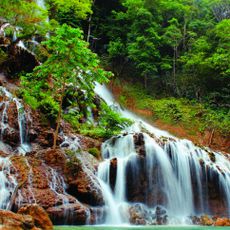
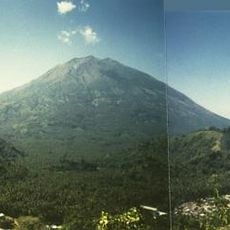
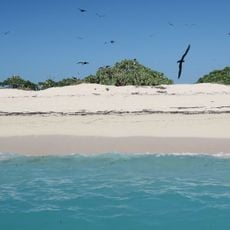
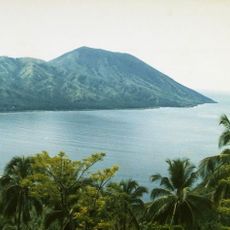
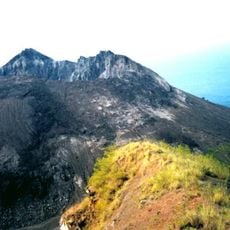
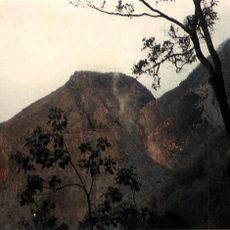
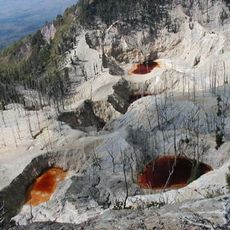
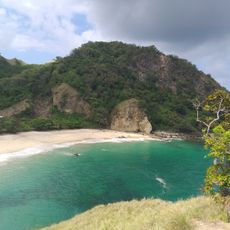
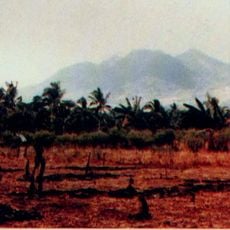
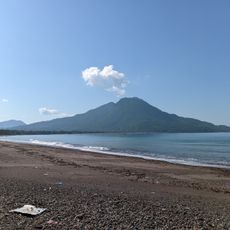
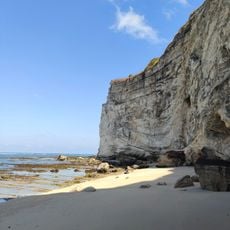
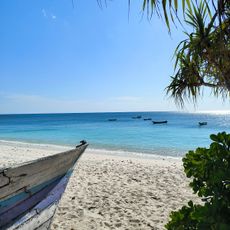
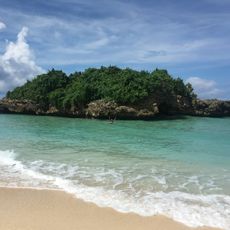
Sabu Island is an island in East Indonesia with grasslands, scattered palm trees, and deciduous forests spread across its terrain. The landscape features rolling areas with various elevations, creating a diverse appearance across the island's land.
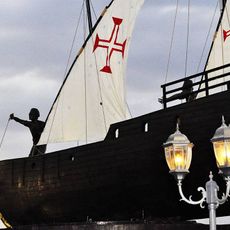
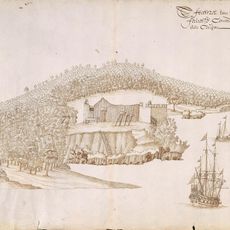
European contact with this island began in 1648 when Dutch traders documented the place, and later in 1770 Captain James Cook visited to study the local plants. These encounters brought the island into wider awareness beyond the region.
The Sabunese people organize their society through clan systems that shape how communities interact and share land. Visitors may observe traditional greeting customs like nose-pressing, which reflects the close bonds within the local community.
Getting to this island requires taking a ferry from locations like Waingapu, Ende, or Kupang, or using Susi Air flights from certain starting points. It is helpful to check connections ahead of time since they can change based on the season and weather.
During dry seasons, the island faces periods when communities depend on stored emergency foods that have been kept for times of shortage. This survival practice reveals how local people have adapted to handle unpredictable rainfall patterns.
The community of curious travelers
AroundUs brings together thousands of curated places, local tips, and hidden gems, enriched daily by 60,000 contributors worldwide.