Lake Albert, Ramsar site and lake in South Australia, Australia
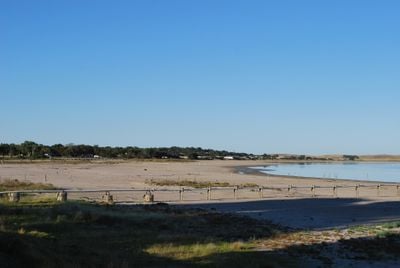
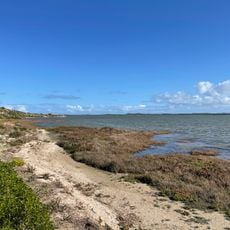
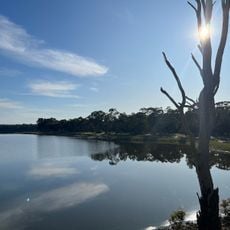
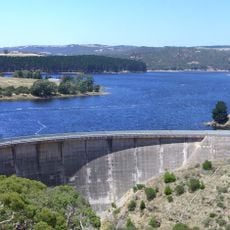
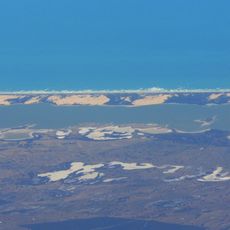
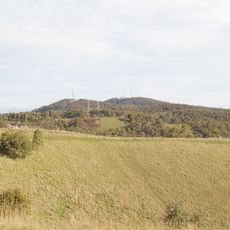
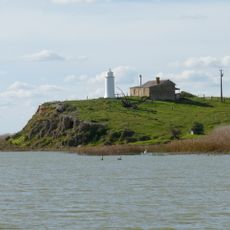
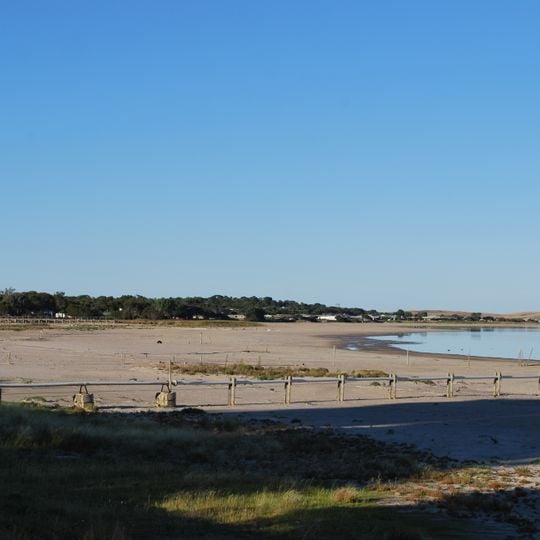
Lake Albert is a Ramsar site and lake in South Australia, Australia. It forms the smaller eastern part of the Murray Mouth estuary system, connected to the larger Lake Alexandrina by a narrow channel.
The lake formed over thousands of years as sea levels rose and the Murray River deposited sediment, shaping the estuary we see today. In the 20th century, engineering works and water regulation changed the lake's natural rhythms, leading to its designation as a Ramsar site in 1985.
For the Ngarrindjeri people, the lake and its surrounds are part of a living landscape tied to stories of creation and seasonal movement. Today, visitors can notice these connections in the way the water and land are cared for, and in the presence of Aboriginal rangers and community members who work to keep the area healthy.
The lake is best visited in the cooler months, when water levels are higher and birdlife is more active. Access is mainly by road from nearby towns, with several viewing points along the shoreline for those who want to stop and look.
The lake is one of the few places where you can see the rare Murray cod in its natural habitat, as the species relies on the connected waterways of the estuary. Its shallow waters also support a large population of freshwater turtles, which often bask on logs near the shore.
The community of curious travelers
AroundUs brings together thousands of curated places, local tips, and hidden gems, enriched daily by 94,468 contributors worldwide.