Warrawong Sanctuary, Wildlife sanctuary in Adelaide Hills, South Australia
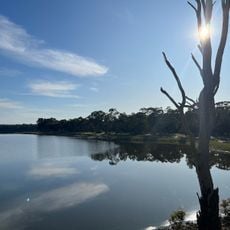
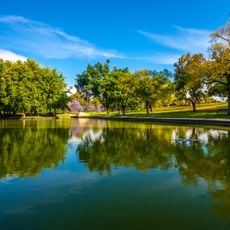
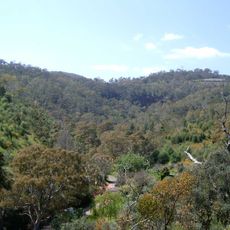
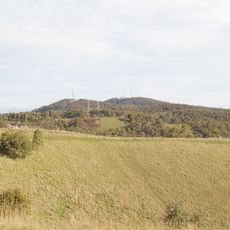
Warrawong Sanctuary is a fenced wildlife reserve in Mylor, about 17 km south-east of central Adelaide, on land that was a degraded dairy farm. John Wamsley bought the first 35 acres in 1969 and later added 50 acres; a perimeter fence, finished in 1982, keeps out foxes and other feral animals. Lake Cumbungi, created by Wamsley as the ecosystem's main water source, was reconnected to the sanctuary after 2017.
John Wamsley, a mathematician, bought 35 acres of degraded dairy farm in 1969 and later added 50 acres. He removed feral plants and animals, including foxes, and finished a perimeter fence in 1982. The sanctuary opened to the public in 1985 to fund more reserves, and Earth Sanctuaries Limited listed on the stock exchange in 2000.
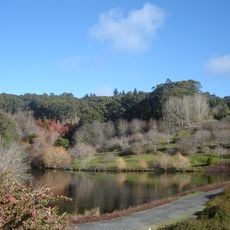
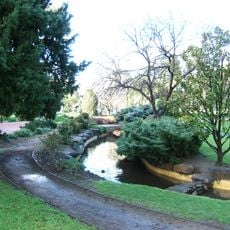
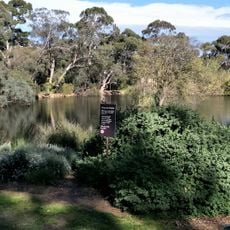
The sanctuary's name comes from the Peramangk people, on whose land it lies near Mylor. John Wamsley's feral-free model, with a fence completed in 1982, became a template for private conservation in Australia. Visitors can see the swamp he built as a water source, now fed by a pump driven by a Holden Commodore V6 engine.
The sanctuary sits in Mylor, about 17 km south-east of central Adelaide. It closed during the COVID-19 pandemic and was preparing to reopen for the summer of 2020–2021, so check opening status before travelling. The fenced grounds keep out foxes and other feral predators, and the swamp fed from Lake Cumbungi is the main water source for the platypuses.
The property is home to the last mainland population of platypuses in South Australia, a rare species found nowhere else in the region. These animals are hard to spot, but their presence makes this place especially valuable for nature lovers.
The community of curious travelers
AroundUs brings together thousands of curated places, local tips, and hidden gems, enriched daily by 93,907 contributors worldwide.