Albert Goldfield Ruins, historic site in New South Wales, Australia
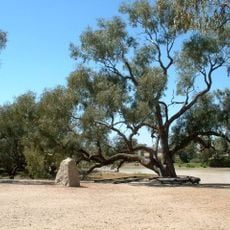
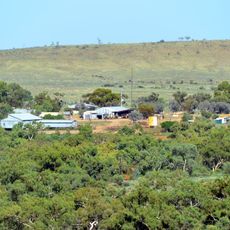
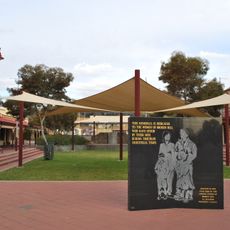
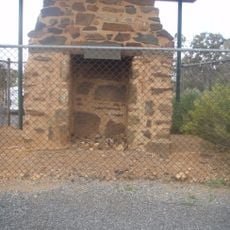
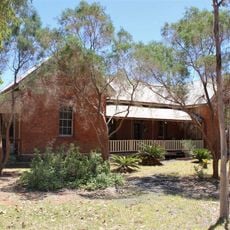
Albert Goldfield Ruins are the remains of a gold mining settlement from 1880 in the remote northwest region of New South Wales, located near the town of Milparinka. The site contains about nine stone structures, mainly fireplaces and walls built from local slate, scattered across a small area.
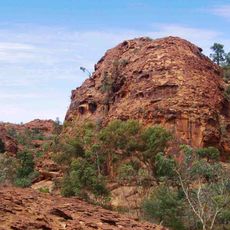
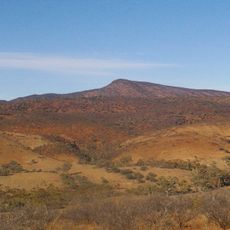
Gold was first discovered in October 1880 at Mount Poole, followed by finds in nearby creeks and later at Mount Brown, drawing thousands of prospectors to the harsh desert landscape. By the early 1900s, as ore deposits became depleted and drought gripped the region, most miners abandoned the goldfield and left the area quiet.
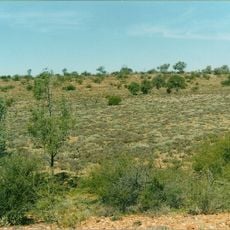
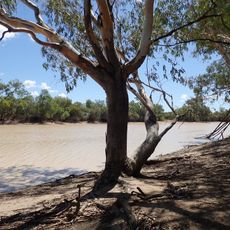
The name Milparinka comes from the local Aboriginal language and means water can be found here, reflecting how miners chose their camp locations around scarce water sources. The ruins show how people adapted their daily lives to the harsh desert environment, gathering near creeks and using simple shared spaces.
The site has marked paths guiding visitors between ruins, though sturdy footwear is needed due to uneven ground and scattered stones. Entry is free and available year-round, with heritage protection rules in place that prohibit removing artifacts or disturbing the structures.
Miners here pioneered dry-blowing techniques specifically developed to extract gold from dry desert soil, a method later used across Australia's interior mining operations. This innovation shows how early prospectors created practical solutions for working in one of the continent's harshest environments.
The community of curious travelers
AroundUs brings together thousands of curated places, local tips, and hidden gems, enriched daily by 90,899 contributors worldwide.