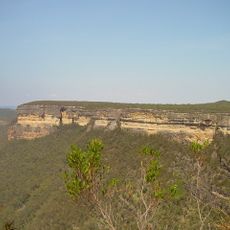
Kanangra-Boyd National Park, Nature reserve in New South Wales, Australia
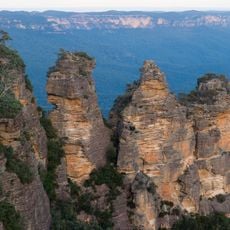
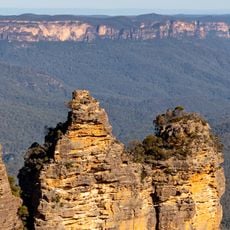
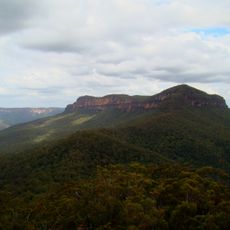
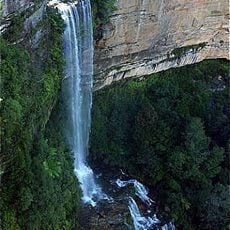
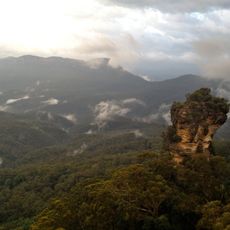
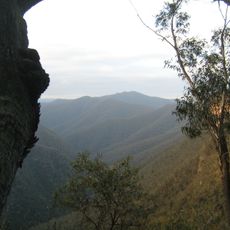
Kanangra-Boyd National Park is a 68,660-hectare protected area in the Central Tablelands of New South Wales, about 180 km south-west of Sydney. It has two land units: the gently undulating Boyd Plateau and the gorges, creeks and ridges into which it falls. Kanangra Walls is a Permian sandstone escarpment on the plateau's south-eastern edge, overlooking Kanangra Gorge, cut 600–900 m deep.
The land was protected in 1969 after a campaign to stop mining operations from starting in the area. It was later included in the Greater Blue Mountains World Heritage Area, which received its UNESCO listing in 2000.
The name Kanangra is generally held to be a corruption of Gundangura, and the area was called Thurat for some time. The 1954 film Jedda was shot around Kanangra Walls, Australia's first feature film with Aboriginal actors in lead roles.
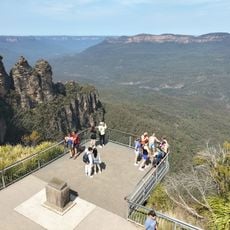
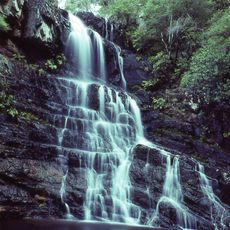
Access is via Kanangra Walls Road, a 5 km gravel road from Jenolan Caves that is drivable without four-wheel drive; the nearest town is Oberon, about 30 km west. The Lookout Walk is the easiest track and is suitable for wheelchairs, leading to two lookouts over Kanangra Gorge and the upper Kanangra Falls. The Waterfall Walk descends into the gorge to the pool at the base of the falls, while the Plateau Walk crosses the open woodland and heath of the Kanangra Tops.
The 1954 film Jedda, the first Australian feature shot in colour, was made in the Kanangra Walls area, and the name Kanangra is generally held to be a corruption of Gundangura; the plateau was called Thurat for a time, a name kept by the Thurat Spires.
The community of curious travelers
AroundUs brings together thousands of curated places, local tips, and hidden gems, enriched daily by 94,069 contributors worldwide.