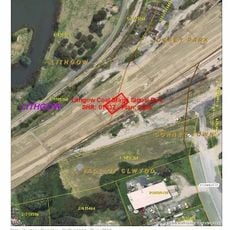
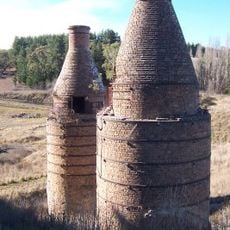
Lithgow Valley Colliery and Pottery Site, 19th-century industrial heritage site in Lithgow, Australia
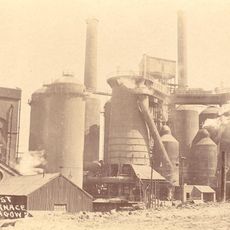
Lithgow Valley Colliery and Pottery Site contains archaeological remains of coal mining and clay product manufacturing from the 1800s. The site shows how raw materials from the area were processed into bricks, pipes, tiles, and ceramic goods for wider use.
The site began in the 1870s, combining coal mining with clay processing from the start. For several decades it was a major center for building material production in the region before operations stopped in the 1940s.
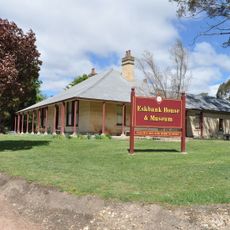
The pottery items made here are now displayed in collections at Eskbank House and the Powerhouse Museum in Sydney, telling the story of local craft traditions. Visitors can trace how these products connected daily life across the region during the industrial era.
The site is best reached by car or taxi, and visitors should arrange visits in advance to see the remaining structures properly. Expect uneven ground and exposed archaeological areas when exploring.
A Hoffman-model continuous kiln was installed in 1901, an innovation that significantly boosted production of bricks and tiles. This upgrade showed that the operation kept pace with industrial advances of its time.
The community of curious travelers
AroundUs brings together thousands of curated places, local tips, and hidden gems, enriched daily by 92,370 contributors worldwide.