Ulawun, Stratovolcano in West New Britain Province, Papua New Guinea
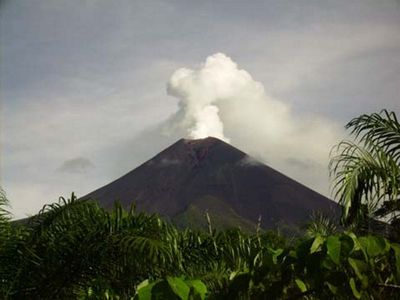
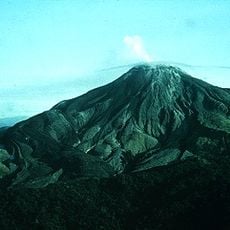
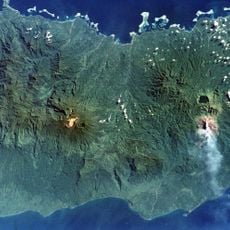
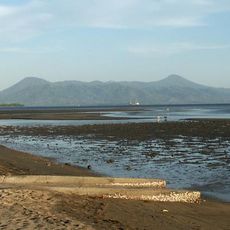
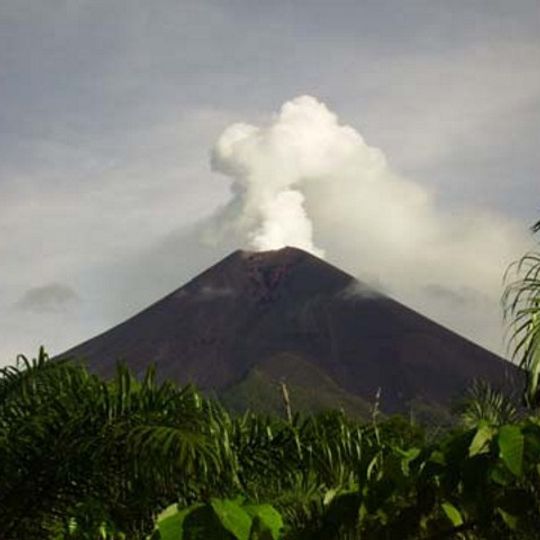
Ulawun is a stratovolcano made from andesite rock in West New Britain Province, Papua New Guinea, rising 2,334 meters above sea level. The cone-shaped mountain shows steep slopes covered in dense rainforest at the base, transitioning to bare volcanic rock toward the summit.
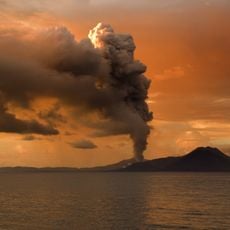
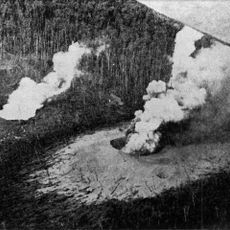
English explorer William Dampier observed an eruption in 1700 during his voyage through the Pacific and recorded this as the first written account. Since then, scientists have documented over twenty eruptions, making the volcano one of the most active in the region.
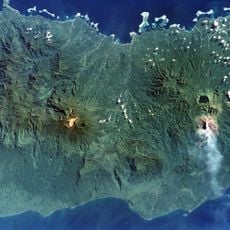
Communities in the area call this mountain the Father volcano and see it paired with nearby Bamus. Stories about the two peaks have passed through generations in the region.
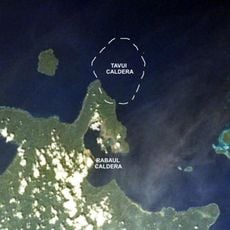
The volcano observatory in Rabaul monitors seismic activity around the clock and issues reports that help travelers understand hazard levels. Visitors to the region should keep an eye on these updates and respect local warnings.
The summit releases sulfur dioxide continuously, around 7 kilograms per second, accounting for roughly 2 percent of all volcanic emissions worldwide. This release influences air quality in the surrounding area and can be visible from a distance on calm days.
The community of curious travelers
AroundUs brings together thousands of curated places, local tips, and hidden gems, enriched daily by 91,138 contributors worldwide.