Papua New Guinea, Island country in western Pacific Ocean
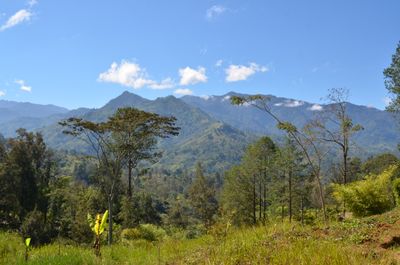
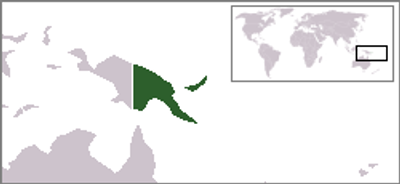
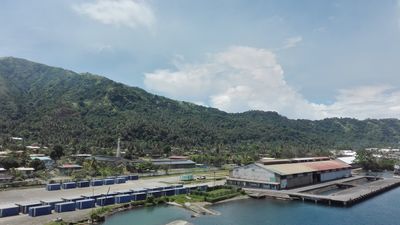
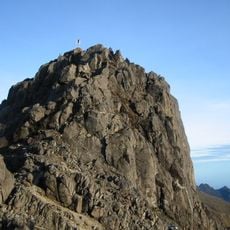
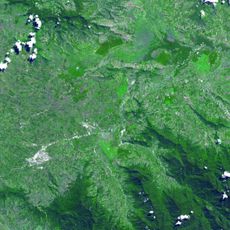
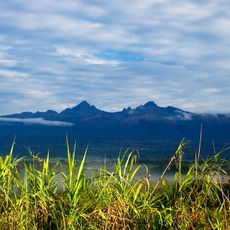
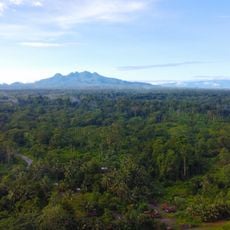
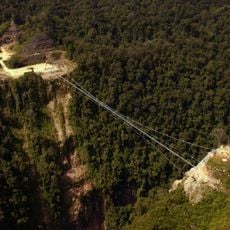
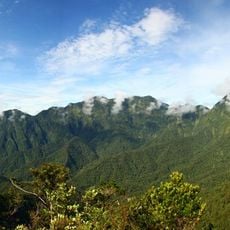
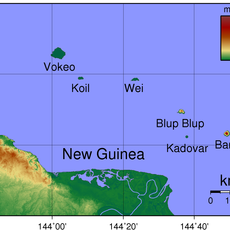
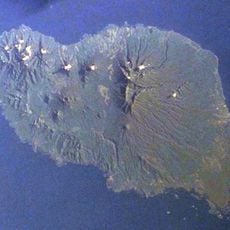
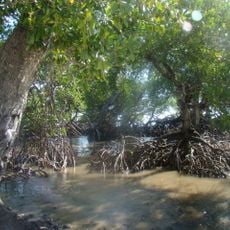
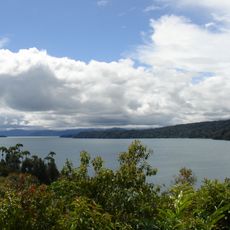
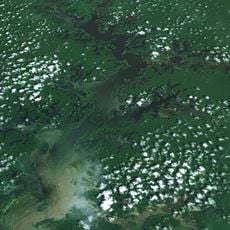
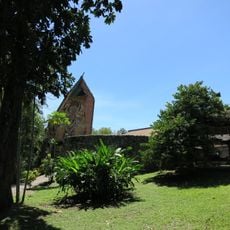
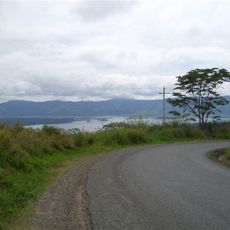
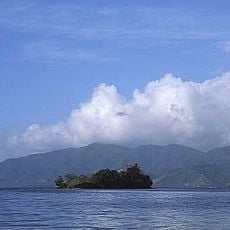
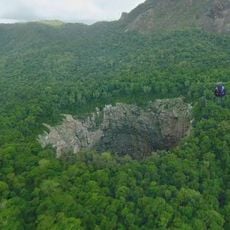
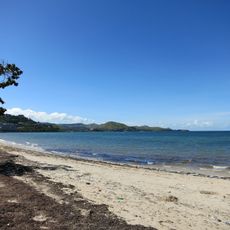
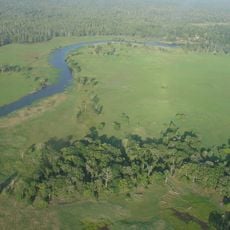
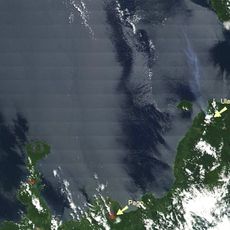
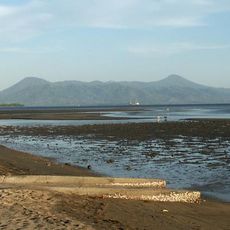
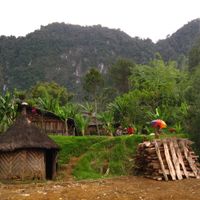
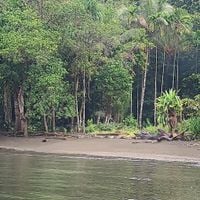
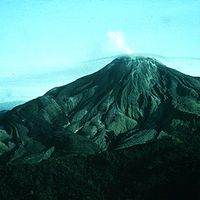
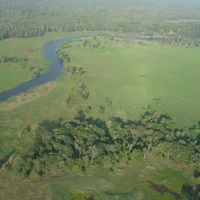
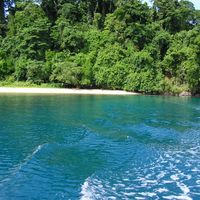
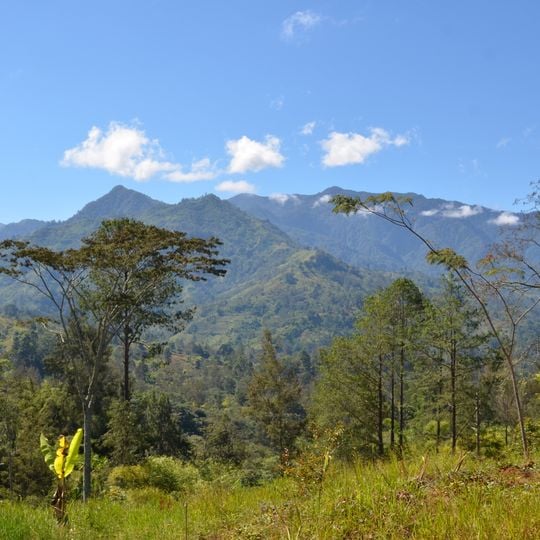
Papua New Guinea is an island nation in the western Pacific that covers the eastern half of New Guinea island and several hundred smaller islands. The terrain shows steep mountain ranges, active volcanoes, dense rainforest, and coral reefs along the coasts, while rivers serve as transport routes through otherwise hard-to-reach valleys.
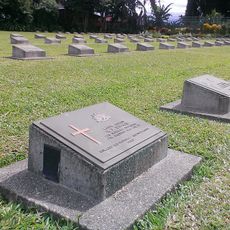
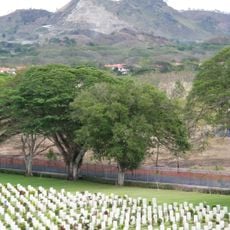
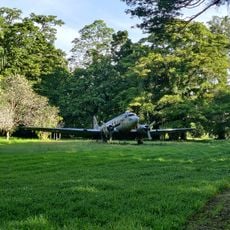
Europeans explored the region from the 16th century onward, and in the late 19th century German, British, and later Australian administrations divided control over the territory. After World War II, Australia took over and led the country to independence in 1975 through negotiation.
Residents use bilums, woven string bags, both as practical carrying tools and as heirlooms passed down through families. In many regions, sing-sings still bring together people from different villages who gather in body paint and feathered headdresses to perform songs and share stories.
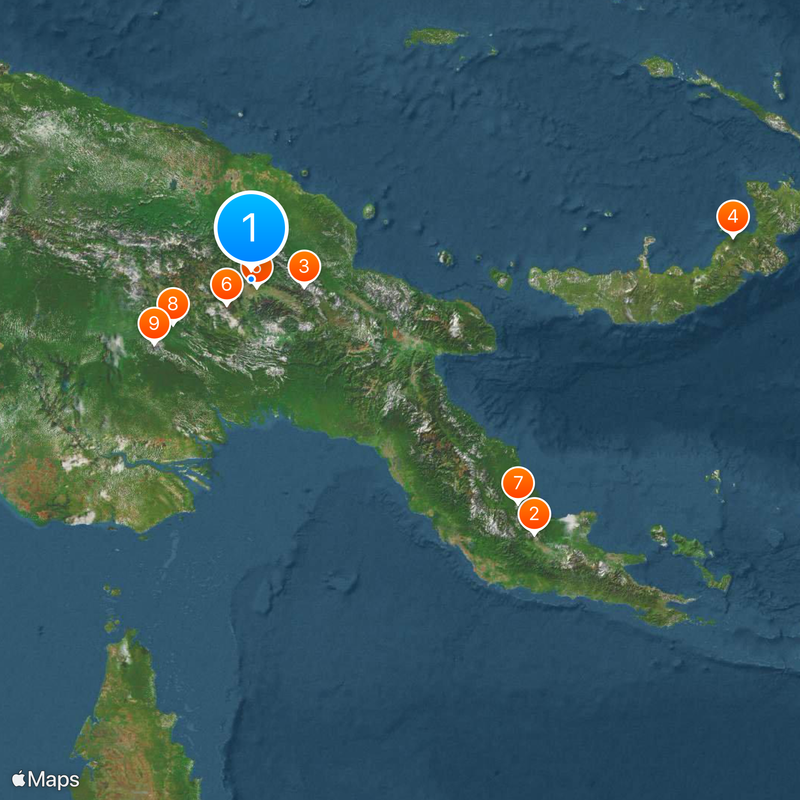
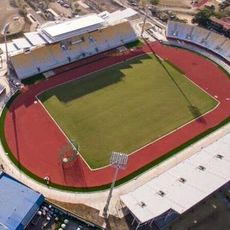
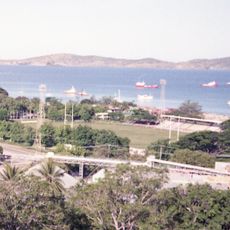
Port Moresby serves as the capital and main entry point for international visitors, with the drier months from May to October considered more comfortable for travel. Anyone planning to visit remote areas should arrange permits and local guides in advance.
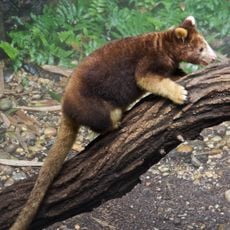
In remote mountain regions, scientists regularly discover previously unknown plant and animal species, as large parts of the country remain difficult to access. The Baining people on New Britain island perform fire dances at night, with dancers walking barefoot through burning coals.
The community of curious travelers
AroundUs brings together thousands of curated places, local tips, and hidden gems, enriched daily by 60,000 contributors worldwide.