Kaʻū Desert, Volcanic desert at Kilauea volcano, Hawaii, US.
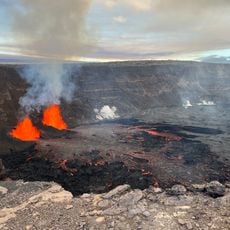
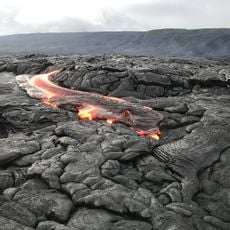
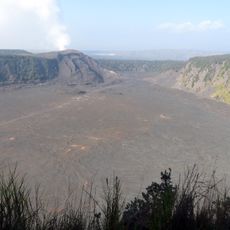
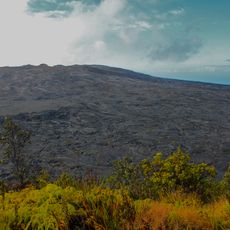
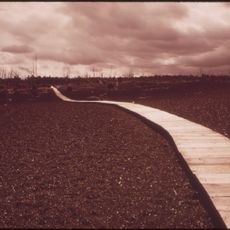
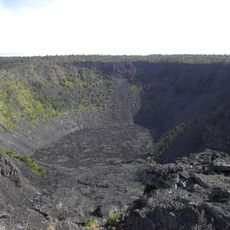
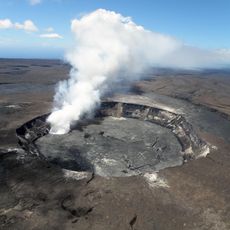
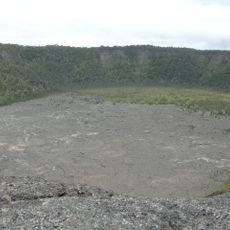
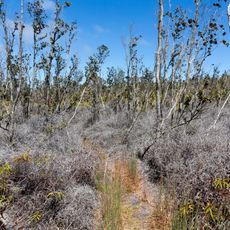
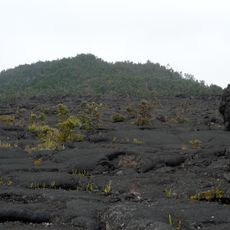
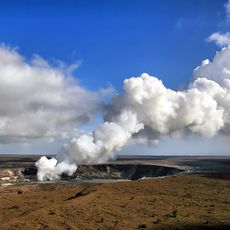
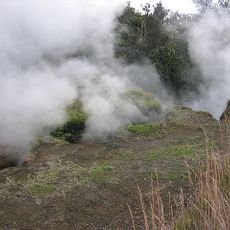
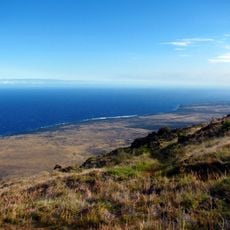
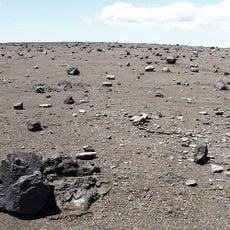
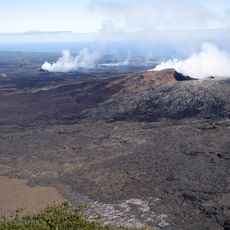
The Kaʻū Desert stretches along the southwest flank of Kilauea with black lava fields, volcanic ash dunes, and sparse plant life shaped by acidic volcanic emissions. The terrain consists of rough dark stone surfaces carved by wind and erosion, spreading across many kilometers in a barren expanse.
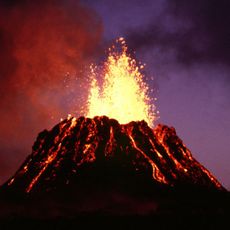
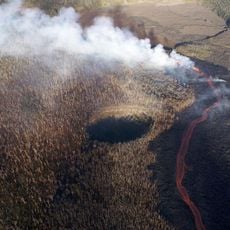
Kilauea volcano shaped this region through numerous eruptions, with a major event in 1790 generating ash clouds that altered the fate of people in the area. The landscape retained marks from this catastrophic period that remain visible many centuries later.
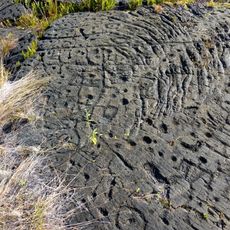
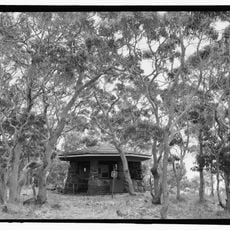
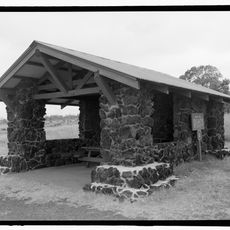
The ground holds traces of ancient Hawaiian settlement with structures and objects that show how people moved through and used this land. Visitors can still see these remains scattered across the stark terrain and sense how communities adapted to life in such a harsh place.
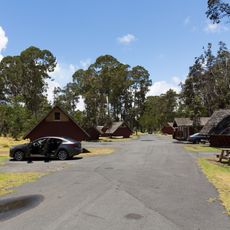
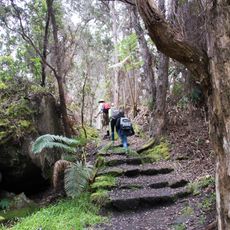
The area is accessible from Highway 11 and requires careful planning such as carrying enough water and checking volcanic activity warnings before going. A visit demands preparation because of the isolated location and harsh outdoor conditions.
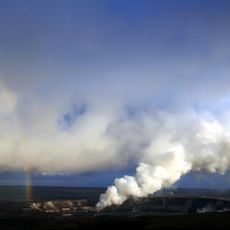
Although the region receives substantial rainfall yearly, sulfurous volcanic gases and rapid evaporation paradoxically create desert-like conditions. This unusual combination makes the area unique because moisture does not accumulate as it would elsewhere.
The community of curious travelers
AroundUs brings together thousands of curated places, local tips, and hidden gems, enriched daily by 60,000 contributors worldwide.