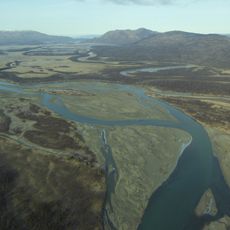
Mount Griggs, Stratovolcano in Katmai National Park, Alaska, US
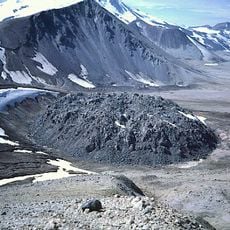
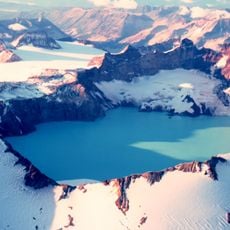
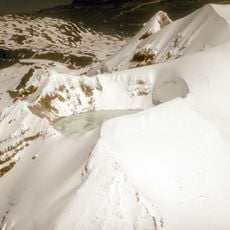
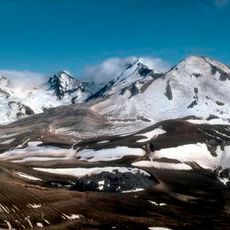
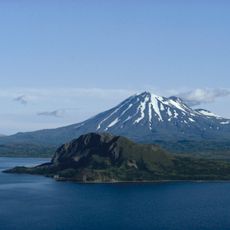
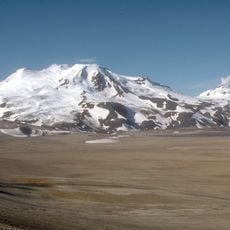
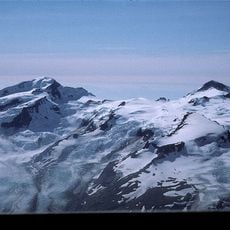
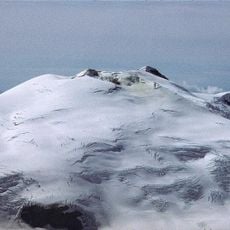
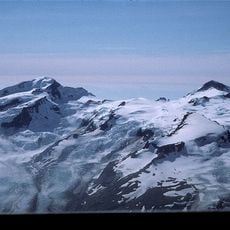
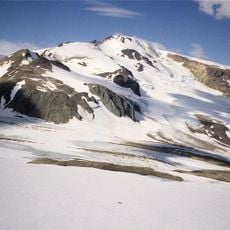
Mount Griggs is a stratovolcano in Katmai National Park located within Alaska's Aleutian Range, with an elevation of 2,317 meters. The mountain displays three concentric craters and a symmetrical cone structure that dominates the surrounding landscape.
The volcano was named after Dr. Robert Fiske Griggs, a botanist whose research resulted in the establishment of Katmai National Monument in 1918. His explorations of the region contributed greatly to protecting this area.
The mountain bears the name of botanist Robert Fiske Griggs, whose explorations after the 1912 Katmai eruption led President Woodrow Wilson to create Katmai National Monument in 1918. Isotopic analysis of its lavas shows that Griggs' magma comes from a source distinct from the other Katmai volcanoes.
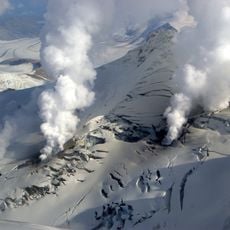
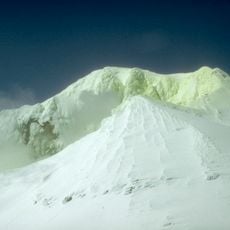
The mountain's slopes feature active fumaroles that produce loud roaring sounds audible from the valley floor. Visitors need to maintain safe distances from these thermal features and stay alert to their locations.
Although no recorded historic eruptions have occurred, the volcano displays vigorous fumarolic activity at its summit crater and along the southwest flank. This active thermal behavior without any modern eruptions makes it a notable subject for volcanologists.
The community of curious travelers
AroundUs brings together thousands of curated places, local tips, and hidden gems, enriched daily by 94,158 contributors worldwide.