Becharof National Wildlife Refuge, National Wildlife Refuge on the Alaska Peninsula, Alaska, United States
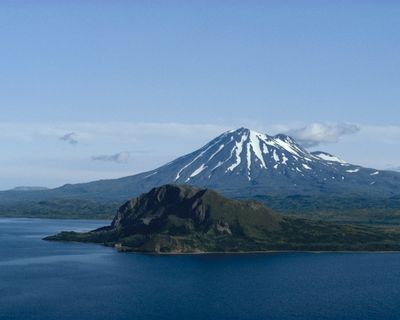
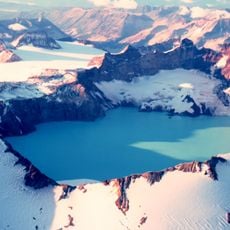
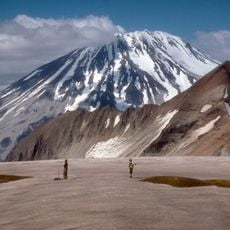
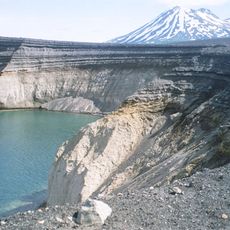
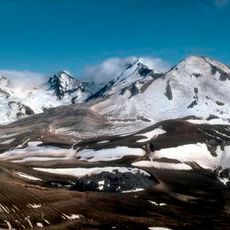
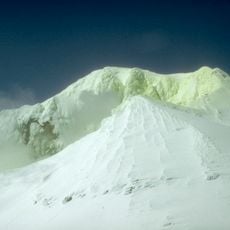
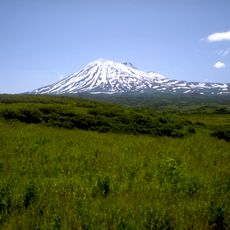
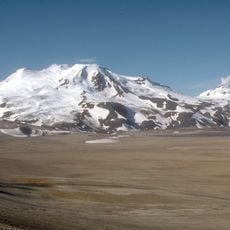
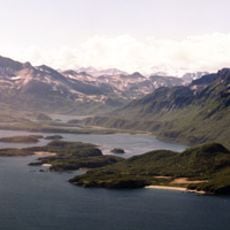
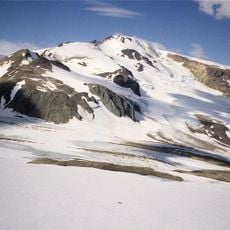
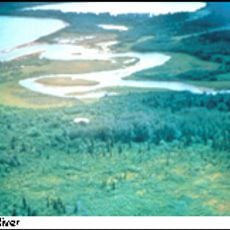
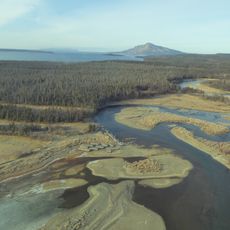
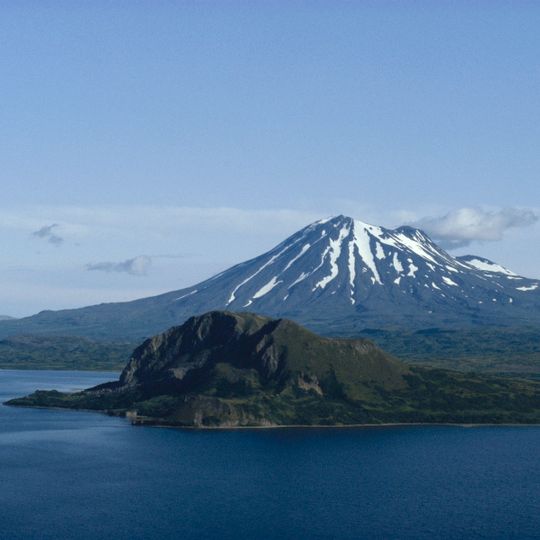
Becharof National Wildlife Refuge covers 1.2 million acres in the Aleutian Range on the Alaska Peninsula, adjacent to Katmai National Park. Its centerpiece is Becharof Lake, 35 miles long, 15 miles wide and 600 feet deep, the largest lake in the National Wildlife Refuge System. The refuge also contains the Ugashik-Peulik volcano, steep cliffs, broad valleys, fjords and tundra.
Jimmy Carter proclaimed Becharof National Monument on December 1, 1978. The refuge itself was established on December 2, 1980, under the Alaska National Interest Lands Conservation Act, which also designated about 500,000 acres as the Becharof Wilderness. In 1983 the Fish and Wildlife Service took over management of the refuge together with the Ugashik and Chignik units of the Alaska Peninsula National Wildlife Refuge.
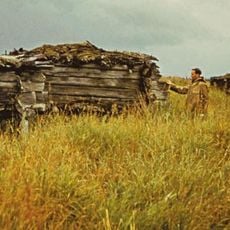
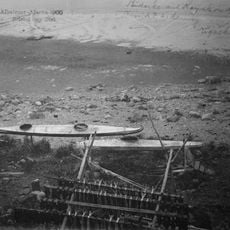
The refuge lies within the traditional territory of the Alutiiq (Sugpiaq) people of the Alaska Peninsula, who have hunted salmon, caribou and sea mammals along this coast for generations. The Kanatak Trail, an old route between Becharof Lake and the Pacific, crosses the area.
Visitors should prepare for remote conditions and changing weather, as the refuge sits far from settlements with minimal developed infrastructure. Planning ahead for transportation and supplies is essential for a safe visit.
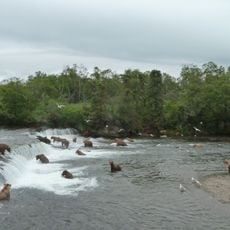
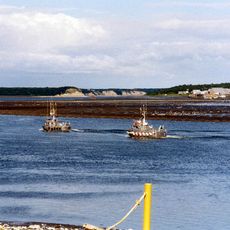
Becharof Lake supports one of the world's largest sockeye salmon runs, with approximately six million fish returning annually to spawn. This enormous fish population makes the refuge a critical ecosystem for the commercial fishing industry.
The community of curious travelers
AroundUs brings together thousands of curated places, local tips, and hidden gems, enriched daily by 92,628 contributors worldwide.