Kodiak National Wildlife Refuge, National Wildlife Refuge in southern Alaska, United States
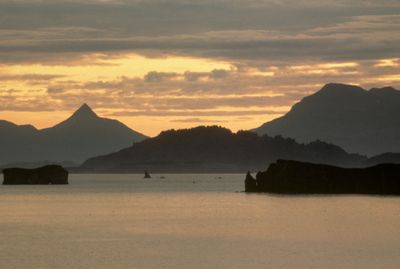
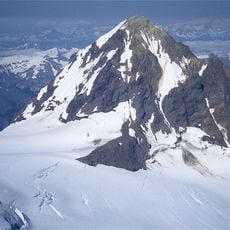
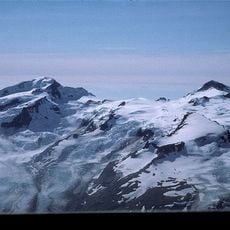
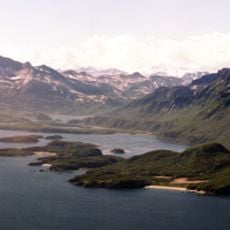
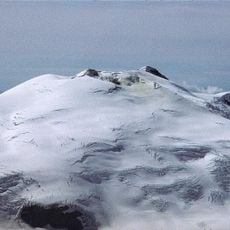
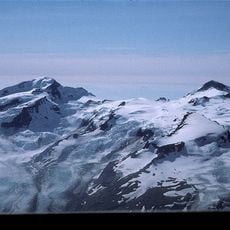
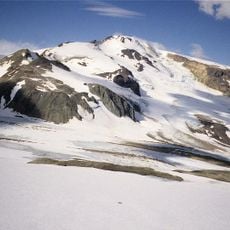
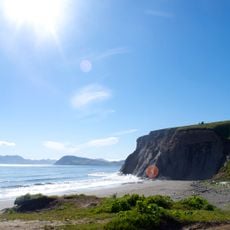
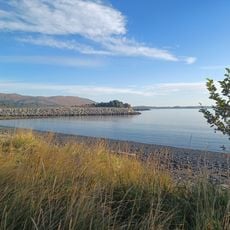
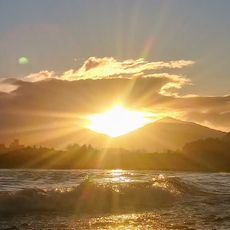
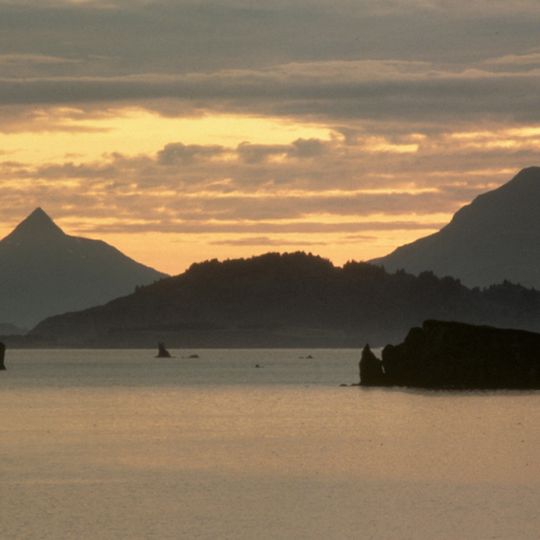
Kodiak National Wildlife Refuge covers an enormous area across Kodiak Island, Ban Island, Uganik Island, and parts of Afognak Island, showcasing dramatic terrain of mountains, fjords, and glacier-carved valleys. Seven major rivers and roughly one hundred streams flow through the refuge, shaping its ecology and supporting diverse wildlife.
The refuge was established in 1941 by the U.S. Fish and Wildlife Service to protect the habitats of brown bears and other native wildlife. This action secured crucial breeding and feeding grounds that remain important for animal populations today.
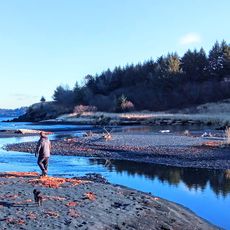
The rivers and streams here held deep importance for indigenous communities who fished and lived off the land for generations. Today, visitors can observe salmon runs and see how fishing traditions remain connected to this landscape.
Reaching this refuge requires boat or floatplane transport, as no roads connect to the outside world. Multiple public cabins are available for visitors planning overnight stays in the wilderness.
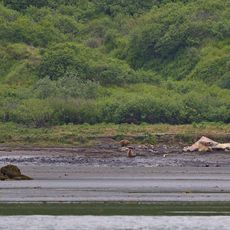
This area hosts one of the world's highest concentrations of brown bears, with males growing to exceptional sizes in the river valleys and streams. The abundance of salmon runs provides the nutritional foundation that allows these bears to reach such large proportions.
The community of curious travelers
AroundUs brings together thousands of curated places, local tips, and hidden gems, enriched daily by 91,837 contributors worldwide.