Volcán San Juan, in Mexico
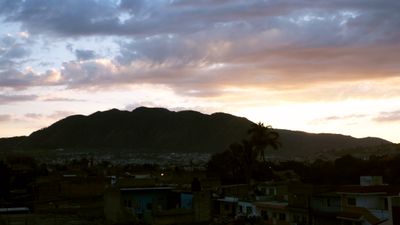
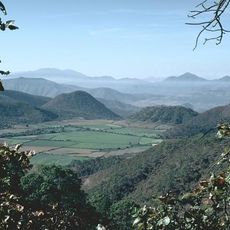
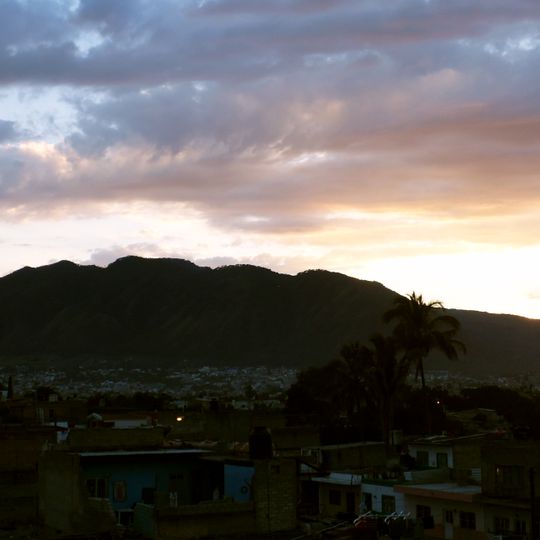
Volcán San Juan is a mountain in central Nayarit that rises to 2,240 meters (7,350 feet) above sea level and forms part of the Trans-Mexican Volcanic Belt. The formation displays volcanic features with a caldera and lava flows extending from the main peak.
The mountain formed through volcanic processes that shaped the landscape of the region. The caldera developed thousands of years ago and documents a long history of geological activity in this area.
Local communities named the mountain after a saint honored during the colonial period, reflecting how religious history shaped the region's identity. This naming tradition remains visible in how people refer to landmarks around this area.
The best time to visit is from October through May, when temperatures stay mild and trails are in better condition for hiking. Visitors should bring sturdy footwear and plenty of water, as the elevation and terrain demand physical effort.
The mountain contains two volcanic peaks that together shape the landscape and give the location a distinctive geological character. This twin-peak formation is less known to visitors than the caldera's history.
The community of curious travelers
AroundUs brings together thousands of curated places, local tips, and hidden gems, enriched daily by 91,121 contributors worldwide.