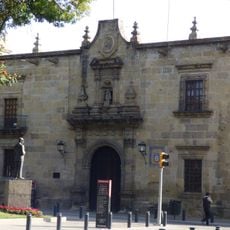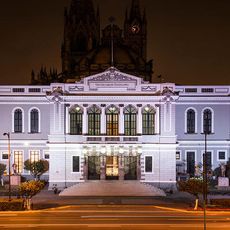
Panteón de Belén, Historic cemetery in Guadalajara, Mexico
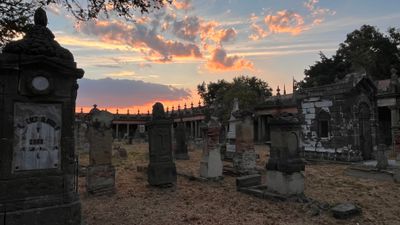
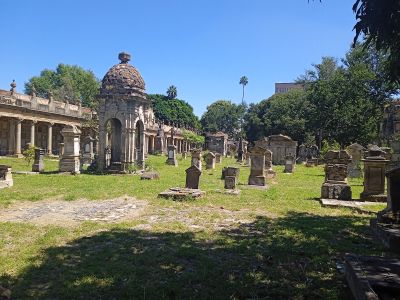
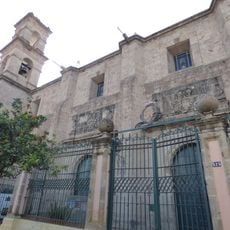
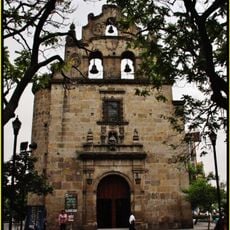
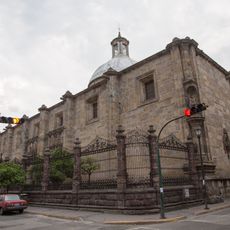
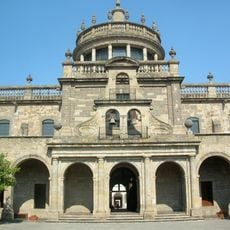
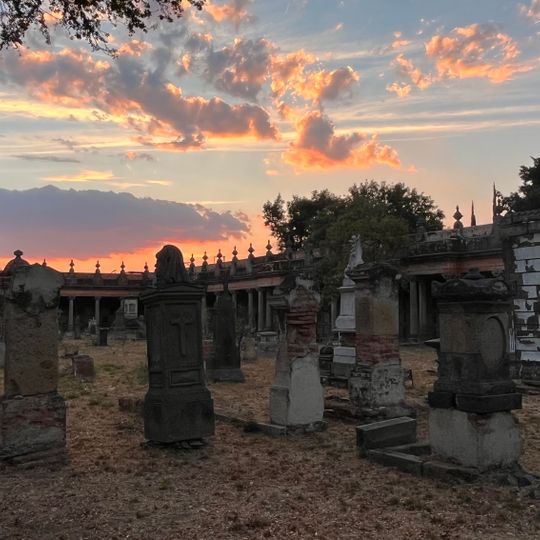
Panteón de Belén is a cemetery in central Guadalajara founded in 1848, featuring numerous crypts and graves in various architectural styles spanning different historical periods. The grounds include a small chapel with Egyptian-inspired design and now function as a cultural space with a museum section where visitors can view the architectural structures and historic burial sites.
The cemetery was established in 1848 by architect Manuel Gómez Ibarra at the request of Bishop Diego de Aranda y Carpinteiro, originally named Panteón de Santa Paula. After closing in 1896, the site was later transformed into a cultural space, while the remains of notable local figures were moved in 1952 to the Rotonda de los Jaliscienses Ilustres.
The cemetery served as a burial place for people from different social backgrounds, including prominent figures in politics, science, music, and culture from Guadalajara. Visitors can see how it reflects the city's past through the architectural styles of the tombs and the stories of those laid to rest here.
The site is easily accessible on foot and offers guided tours during both daytime and evening hours that showcase the architecture and stories of those buried here. Visitors should be prepared for walking through the grounds at a leisurely pace and can extend their visit to nearby locations like Paseo Alcalde and the cathedral.
The cemetery is the setting of a famous local legend about a Hungarian Count named Baldor who allegedly lived as a vampire, with a large tree said to have grown from his burial site. These stories blend fact with folklore, giving the place a mystical quality that is regularly shared during evening tours.
The community of curious travelers
AroundUs brings together thousands of curated places, local tips, and hidden gems, enriched daily by 90,755 contributors worldwide.