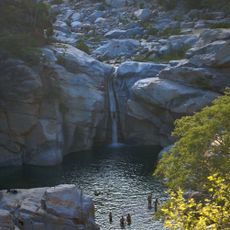
Culiacán, State capital in Sinaloa, Mexico
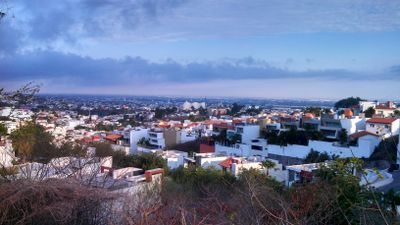
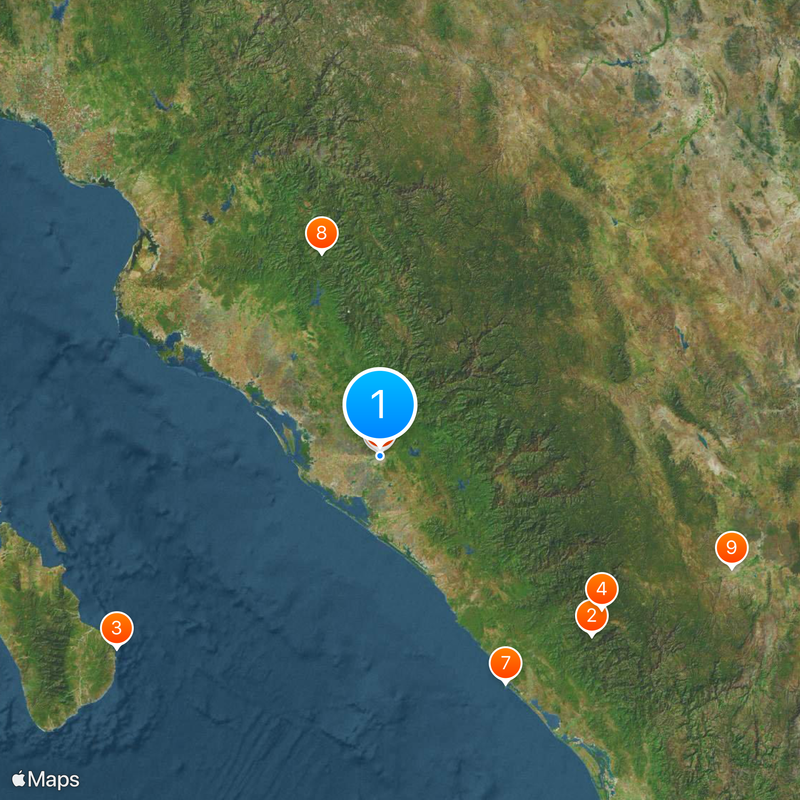
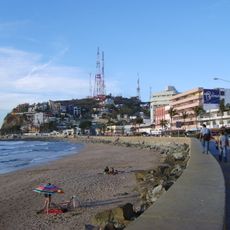
Culiacán is a city in Sinaloa, Mexico, stretching across a fertile valley where the Tamazula and Humaya Rivers merge to form the Culiacán River at an elevation of 55 meters (180 feet). The streets follow a grid that extends from older neighborhoods in the center to newer housing on the edges, surrounded by agricultural fields.
Spanish conquistadors Lázaro de Cebreros and Nuño Beltrán de Guzmán founded the Villa de San Miguel on September 29, 1531, naming it after Michael the Archangel. The settlement moved several times before settling permanently in this valley, growing into a center for trade and agriculture.
The Regional History Museum displays exhibits about the earliest inhabitants of this area, including the Tebacas and Pacaxes, who lived here before the Spanish arrived. Visitors can walk through the collections and see how these groups farmed the land and settled in the river valleys.
The urban transport system runs 68 routes across the metro area, linking residential zones with commercial districts and educational institutions. Most places are accessible by bus, and drivers typically accept cash for trips within the city.
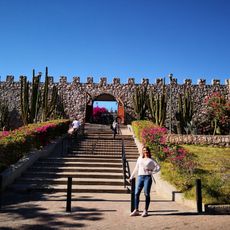
The Botanical Garden keeps collections of native Mexican plants and houses research facilities for agricultural development in the region. Visitors can walk through sections displaying species from different climates across the country, from desert succulents to tropical ferns.
The community of curious travelers
AroundUs brings together thousands of curated places, local tips, and hidden gems, enriched daily by 60,000 contributors worldwide.