Pueblo Grande Ruin and Irrigation Sites, Archaeological site and Irrigation complex in Phoenix, Arizona.
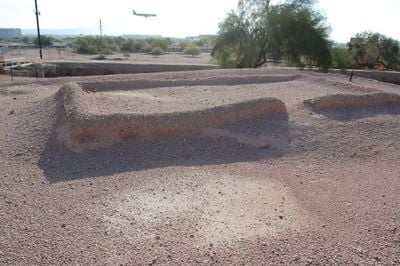
S'edav Va'aki (formerly Pueblo Grande) is a Hohokam archaeological site in Phoenix, Arizona, with a platform mound built from about AD 800 using stone-walled cells filled with trash and capped with caliche plaster. The mound contains over 20,000 cubic meters of fill and was surrounded by a 6 to 7-foot-high compound wall. Nearby are remains of irrigation canals and at least two ball courts.
The Hohokam civilization built and lived at this settlement from around 450 to 1450 CE, developing advanced irrigation methods to farm the desert. This long occupation demonstrates how the society adapted to harsh environmental conditions and created a stable way of life.
The site may have had as many as two ball courts, used for ceremonial purposes, possibly ritual ball games, and periodic markets. After AD 1100 the Hohokam stopped using their ball courts, many were filled with trash, and platform mounds like the one here became more prominent. The name S'edav Va'aki comes from O'Odham oral histories and means "Central Platform Mound".
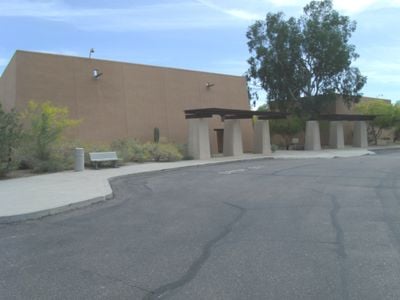
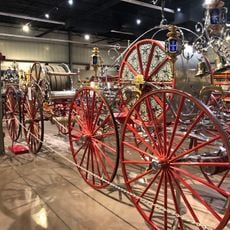
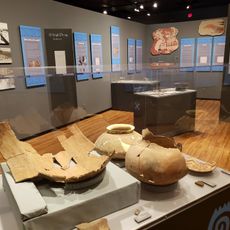
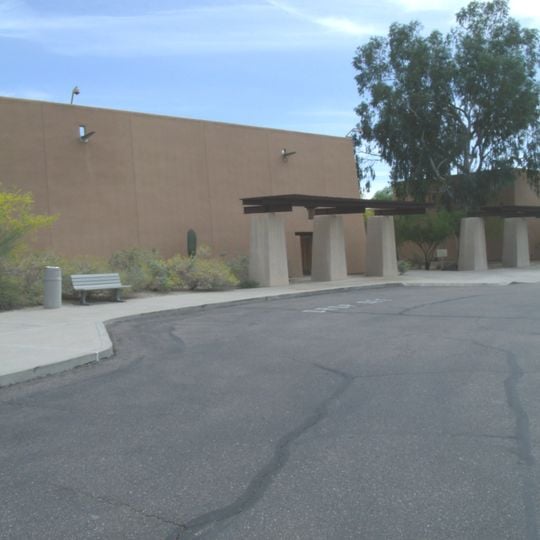
The City of Phoenix now manages the location as part of the S'edav Va'aki Museum with guided walks and exhibits about ancient societies. Visitors can explore the site and view the actual structures and canals, gaining a direct understanding of how the Hohokam lived and worked.
The site sits where a bend in the Salt River and a bedrock outcropping pushed groundwater to the surface, making it a natural headgate for canals. From here the longest Hohokam canal ran over 16 miles to what is now Glendale, which likely gave this village a leading role among settlements on the river's north side.
The community of curious travelers
AroundUs brings together thousands of curated places, local tips, and hidden gems, enriched daily by 92,995 contributors worldwide.