See the monuments around you in AROpen chests in the app
Around Us is built for your phone — point your camera at the streets and discover the monuments and places around you in augmented reality.Around Us is built for your phone — chests unlock when you walk, explore and capture nearby places.
Phoenix and the surrounding desert region offer visitors a varied mix of nature and culture. The city is home to specialized museums like the Heard Museum, which focuses on Native American history, and the Musical Instrument Museum, where instruments from around the world are on display. The Desert Botanical Garden showcases the plant life of the Sonora Desert, while Papago Park and South Mountain Park offer hiking trails with views across the city. Other destinations include the Arizona Science Center and the Phoenix Art Museum.
The area around Phoenix invites exploration. Visitors can hike Camelback Mountain, see petroglyphs at the Deer Valley Petroglyph Preserve, or discover the ruins of Pueblo Grande. Mystery Castle and Tovrea Castle display unusual structures from the past. Nearby, former mining towns like Goldfield Ghost Town beckon, where you can step back into Wild West times.
Heritage Square presents historic buildings from the 1800s, including the Rosson House Museum. Heritage Square and Taliesin West, architect Frank Lloyd Wright's winter home in Scottsdale, showcase architectural highlights. The Phoenix Zoo, Castles N Coasters, and Chase Field offer activities for families and sports fans. Thermal springs like Agua Caliente Park near Tucson round out the options.
Phoenix and the surrounding desert region offer visitors a varied mix of nature and culture. The city is home to specialized museums like the Heard Museum, which focuses on Native American history, and the Musical Instrument Museum, where instruments from around the world are on display. The Desert Botanical Garden showcases the plant life of the Sonora Desert, while Papago Park and South Mountain Park offer hiking trails with views across the city. Other destinations include the Arizona Science Center and the Phoenix Art Museum.
The area around Phoenix invites exploration. Visitors can hike Camelback Mountain, see petroglyphs at the Deer Valley Petroglyph Preserve, or discover the ruins of Pueblo Grande. Mystery Castle and Tovrea Castle display unusual structures from the past. Nearby, former mining towns like Goldfield Ghost Town beckon, where you can step back into Wild West times.
Heritage Square presents historic buildings from the 1800s, including the Rosson House Museum. Heritage Square and Taliesin West, architect Frank Lloyd Wright's winter home in Scottsdale, showcase architectural highlights. The Phoenix Zoo, Castles N Coasters, and Chase Field offer activities for families and sports fans. Thermal springs like Agua Caliente Park near Tucson round out the options.
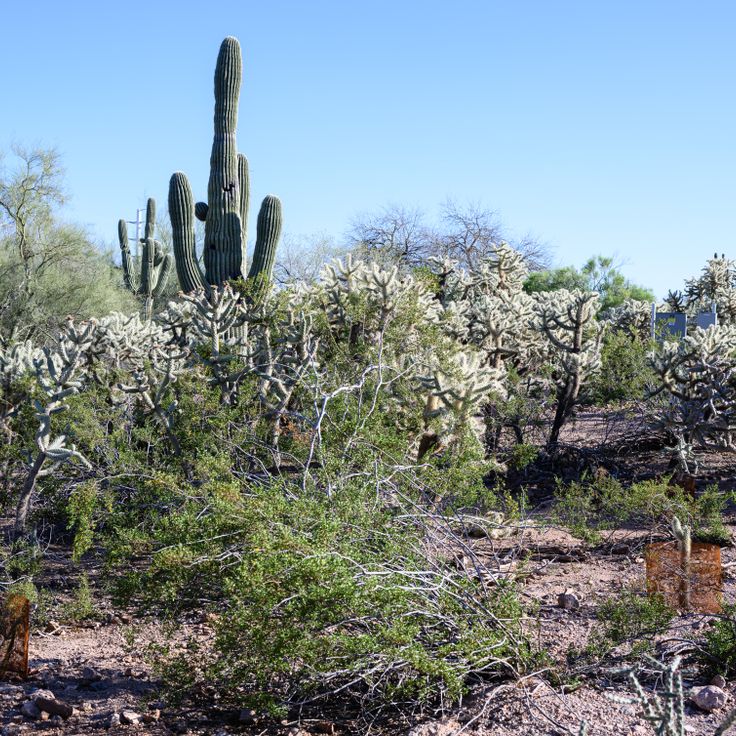
The Desert Botanical Garden in Phoenix displays thousands of desert plants from the Sonoran region. Visitors can walk through trails to explore different plant species and learn about conservation efforts. The garden offers a chance to understand the diversity of desert plant life and how the landscape of this region sustains itself.
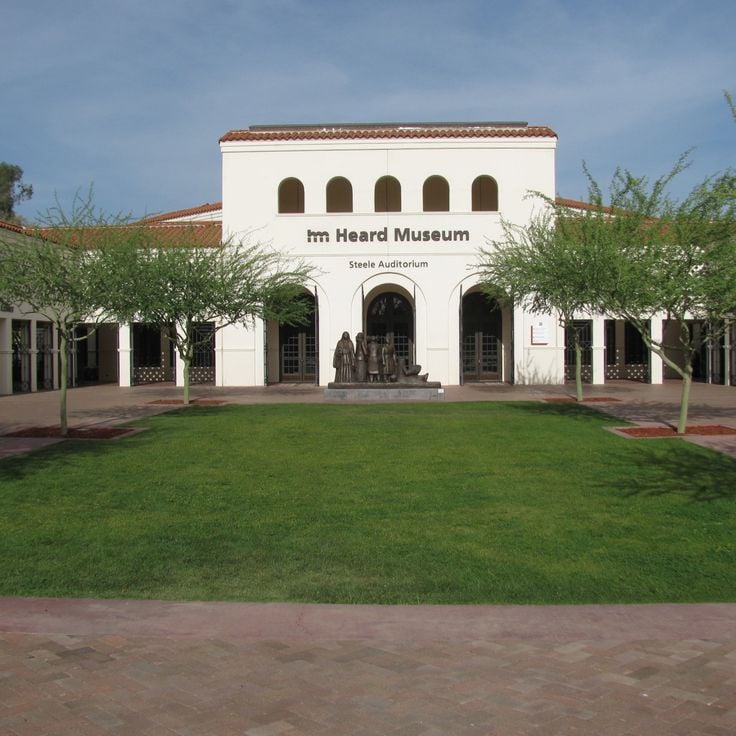
The Heard Museum in Phoenix displays extensive collections of Native American artworks and objects. The focus is on the tribes of the Southwest and their history. The museum offers visitors insights into the traditional crafts, clothing, and everyday objects of these peoples.
The Phoenix Art Museum displays artworks in this collection from Europe, Asia, America, and the West, spanning from medieval times to the present day. The museum showcases how different cultures and periods have created art, offering visitors a chance to see works from many traditions and eras.
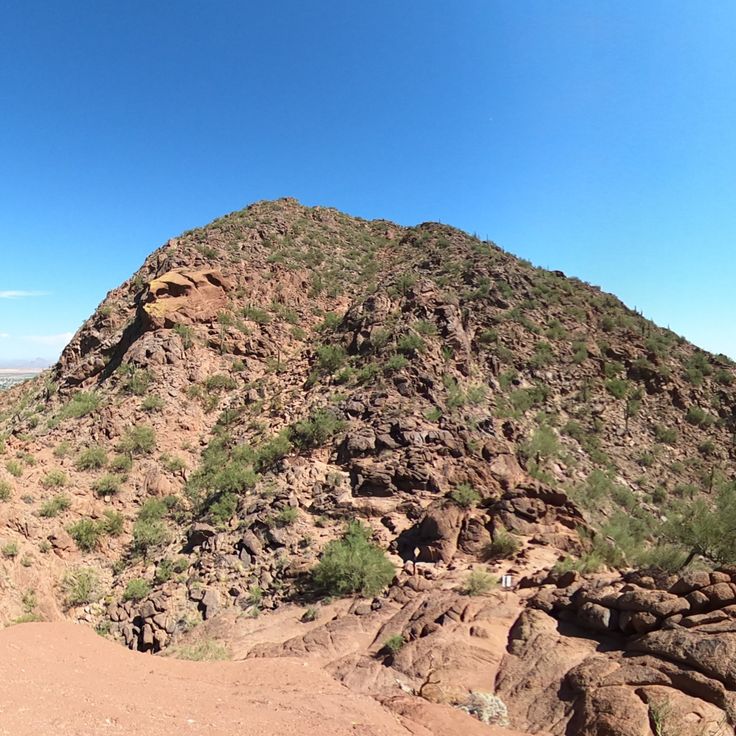
Camelback Mountain is a distinctive peak in Phoenix featuring two hiking trails of different difficulty levels. The paths lead to viewpoints that overlook Phoenix Valley, offering hikers a chance to experience the desert landscape on foot.
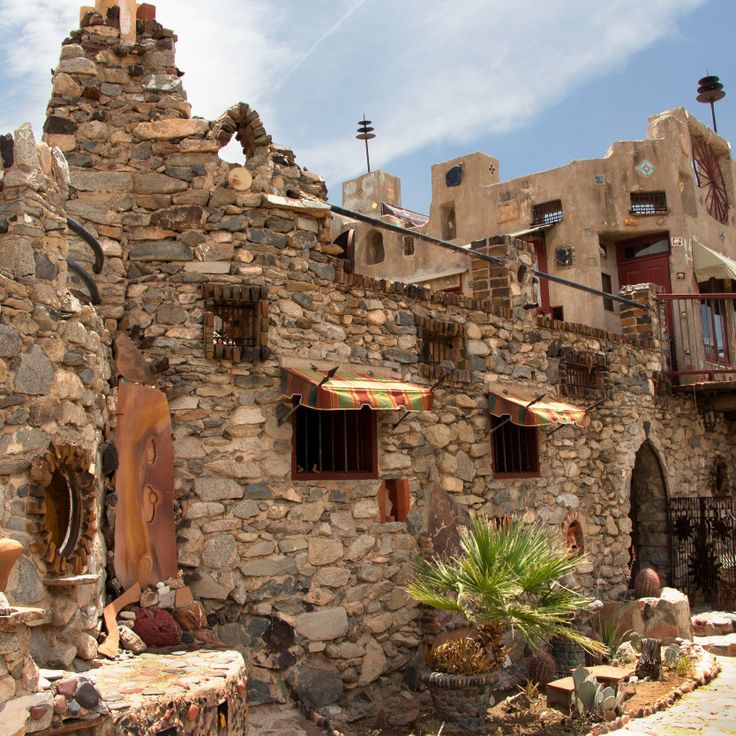
Mystery Castle is an unusual structure from the 1930s, built by Boyce Luther Gulley using stones, car tires, and railroad tracks over 15 years. This quirky building demonstrates how people can construct with found materials and fits well into Phoenix's story, where desert gardens, museums, and hiking trails mix with historic buildings and cultural sites.
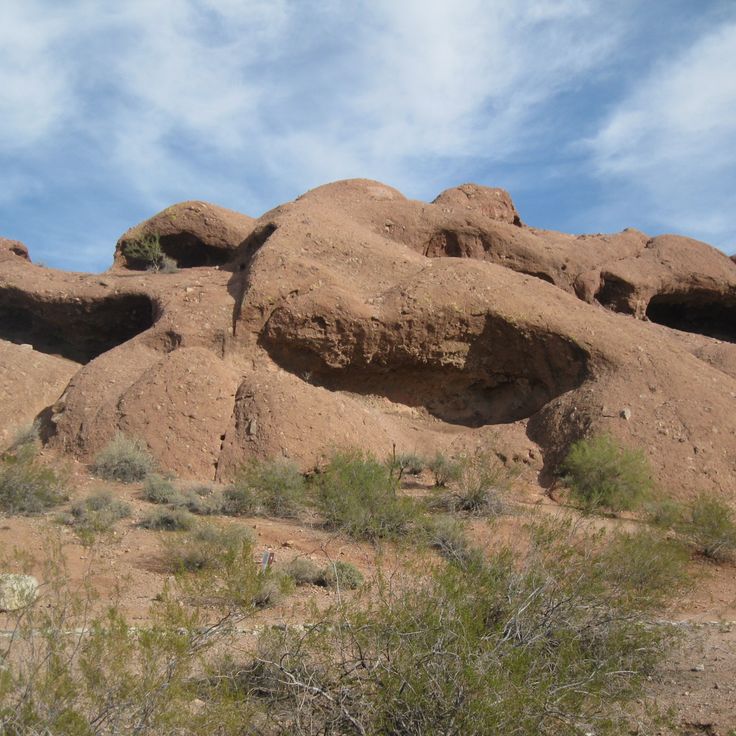
Papago Park is a large municipal park in Phoenix with distinctive red sandstone formations that define the local landscape. The park features walking trails through varied terrain, a botanical garden showcasing desert plants, and Hunt's Tomb, a white pyramid structure visible from many points in the park. Visitors can explore the natural environment of the Sonoran Desert while staying close to the city. This location represents the blend of outdoor recreation and natural history that characterizes Phoenix's appeal.
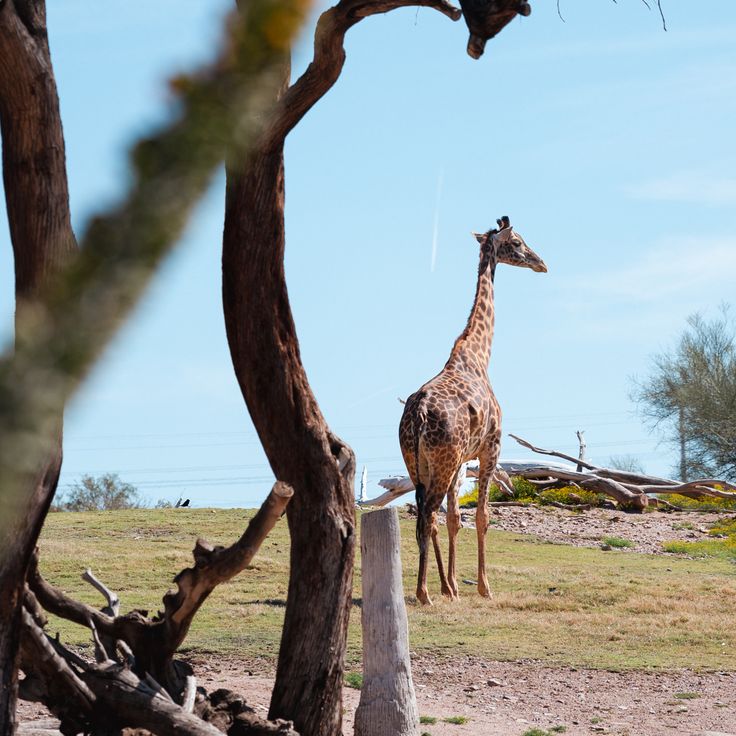
The Phoenix Zoo is a major animal facility in Phoenix that fits into the city's mix of desert nature and cultural attractions. The zoo houses over 3000 animals across an expansive site and offers visitors a chance to see creatures from multiple continents. Guests walk through different habitat zones that recreate environments from Africa, Asia, and the Americas. The zoo operates as a non-profit organization focused on animal care and conservation. Families and travelers come here to observe wildlife up close and learn about ecosystems and species from around the world.
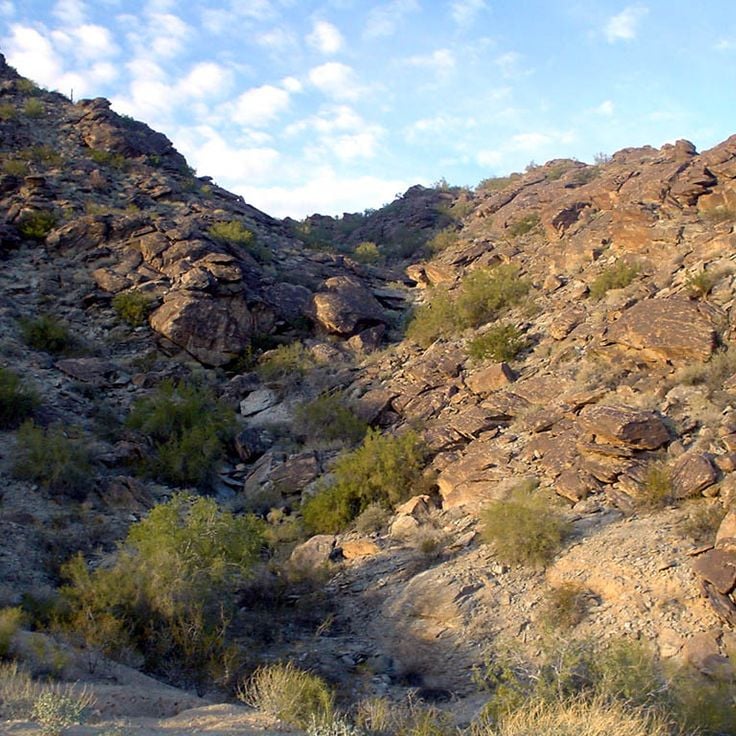
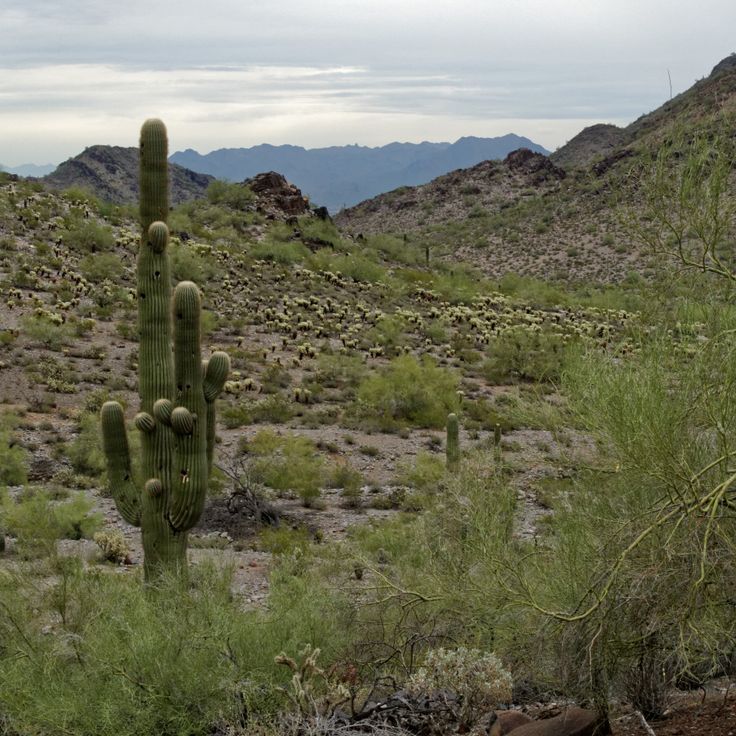
South Mountain Park is a large natural area in Phoenix featuring marked hiking trails, mountain biking paths, and Native American petroglyphs. The park offers routes for different fitness levels and allows visitors to explore the desert landscape while discovering historical rock art created by indigenous peoples.
As part of Phoenix's attractions, Castles N' Coasters brings family entertainment to the desert city. The park features four roller coasters, a miniature golf course, an arcade hall, and various rides for all ages. Visitors can enjoy thrilling experiences or take a break with gentler activities, spending a full day of amusement in the area.
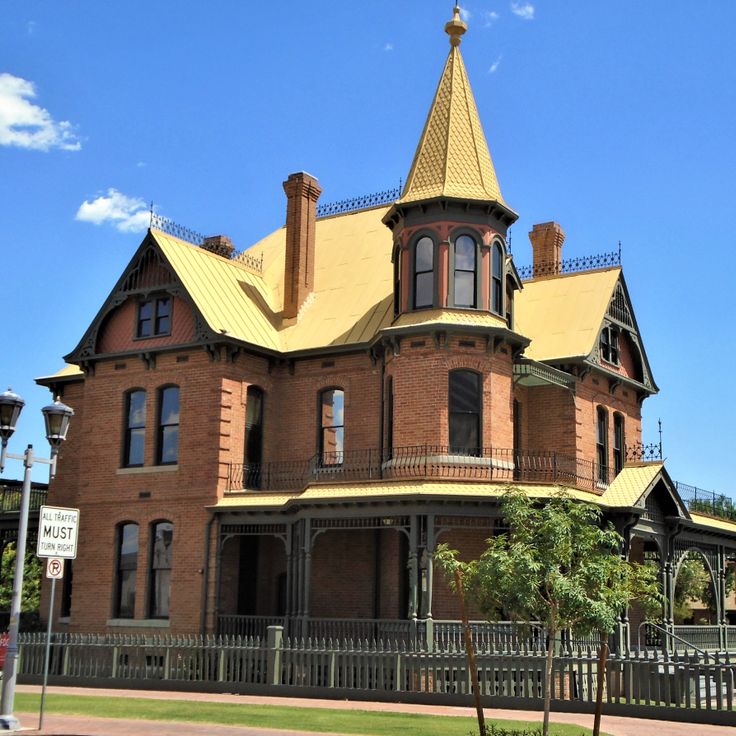
Heritage Square is a 19th-century street in downtown Phoenix that preserves original buildings from the city's early years. The site shows how Phoenix looked when it was founded, with Victorian houses that visitors can still explore today. A museum on the square tells the story of the city's past, and a restaurant operates inside one of the historic homes. Walking through Heritage Square feels like stepping back in time, seeing the architecture and learning how people lived here generations ago. This location adds a historical perspective to Phoenix's character, showing the blend of the city's pioneering past alongside the desert environment that defines the region.
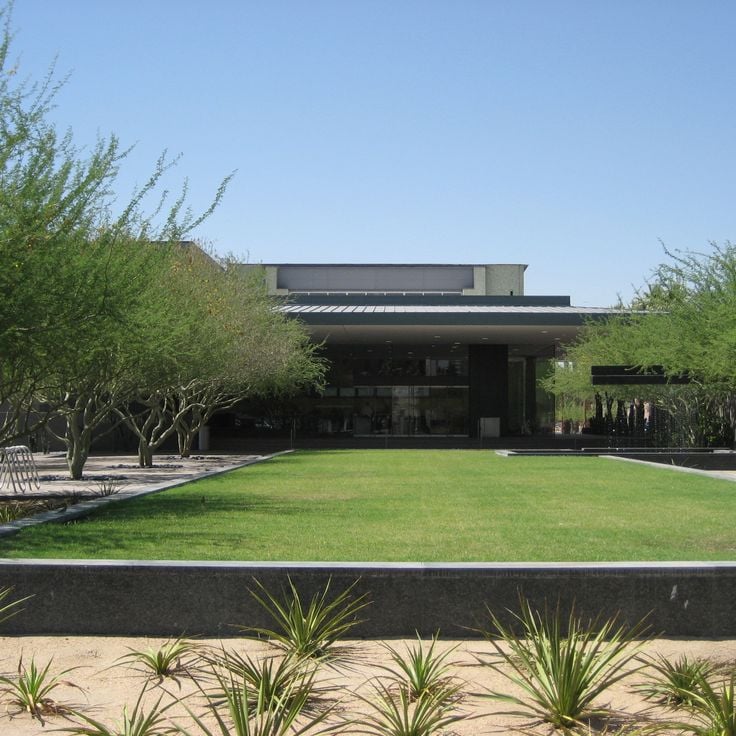
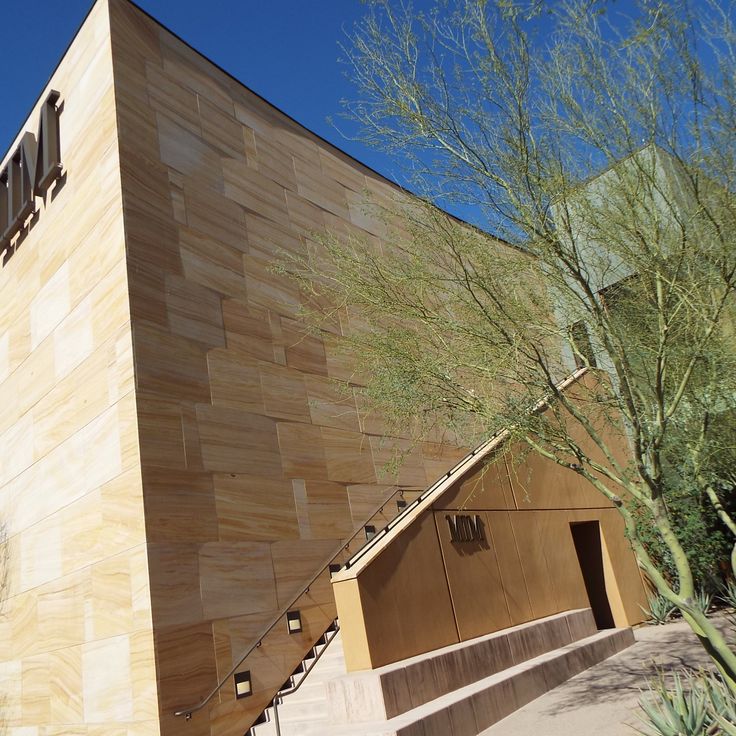
The Musical Instrument Museum in Phoenix displays roughly 15,000 instruments from 200 countries. Visitors listen to sounds from around the world through headphones. The museum features a concert hall for live performances. It complements the cultural offerings in this desert city.
Chase Field is a baseball stadium in Phoenix that is home to the Arizona Diamondbacks. The stadium features a retractable roof and air conditioning that keeps the venue comfortable during the hot summer months. With seating for almost 49000 spectators, it serves as a major venue for sports events and entertainment in the city. The stadium fits into Phoenix's range of cultural attractions and modern venues that visitors can enjoy alongside desert gardens, museums, and mountain trails.
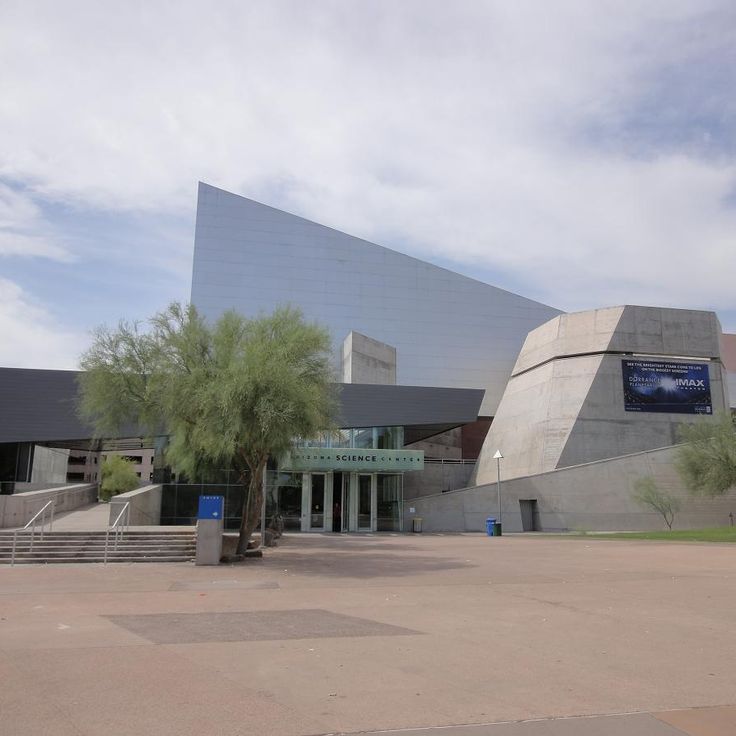
The Arizona Science Center in Phoenix features interactive science exhibits that invite visitors to explore and discover through hands-on activities. The museum complements Phoenix's collection of cultural venues, natural parks, and outdoor attractions. Guests of all ages can engage with practical demonstrations and learn about scientific concepts in a welcoming environment.
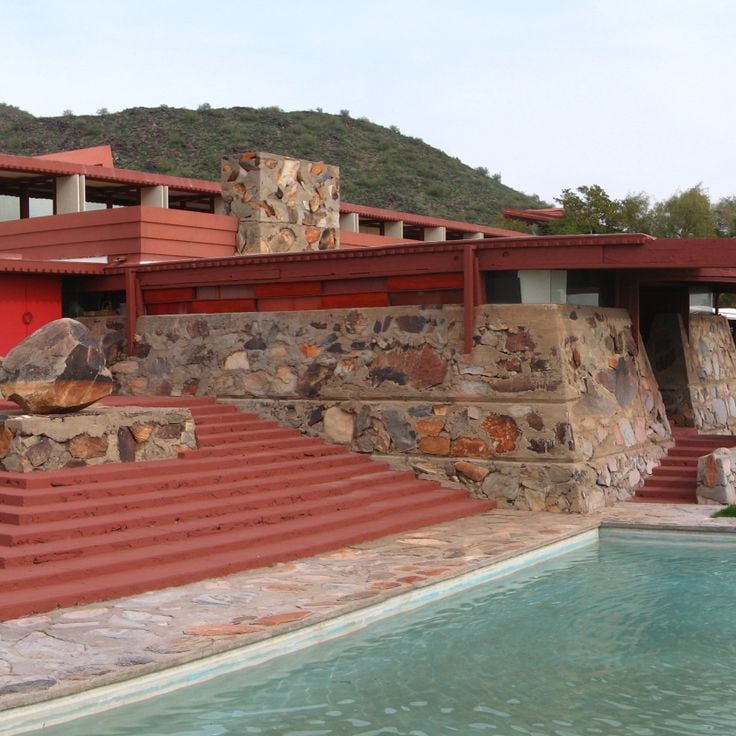
Taliesin West was Frank Lloyd Wright's winter home and architecture school. The structures showcase his innovative design principles and demonstrate his influence on modern architecture. Within Phoenix's collection of cultural and natural attractions, Taliesin West offers insight into the creative vision of one of America's most influential architects.
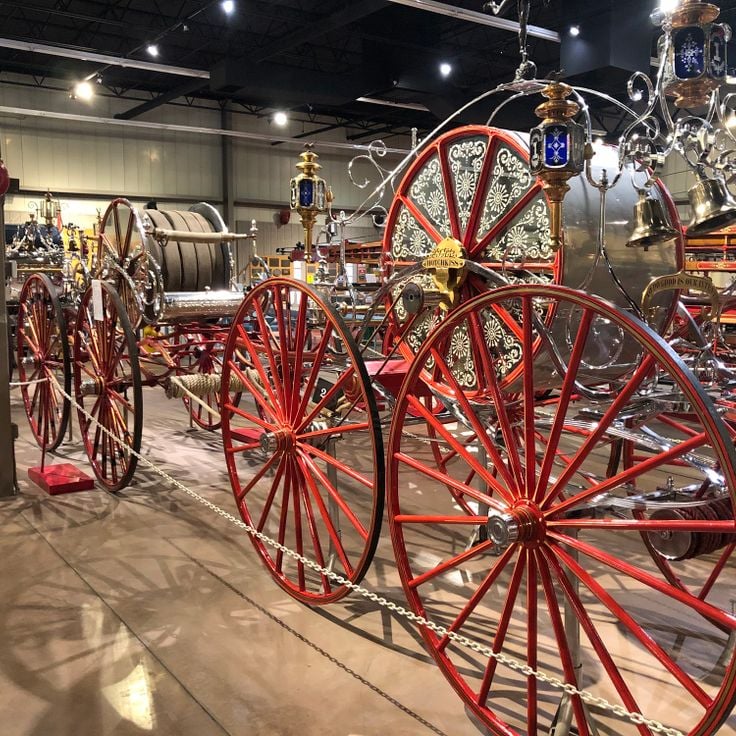
The Hall of Flame Fire Museum presents firefighting history through displays of vintage equipment and vehicles. As part of Phoenix's range of cultural venues, this museum complements the city's museums and historic buildings, which sit alongside natural parks and mountain trails in the broader landscape of desert attractions.
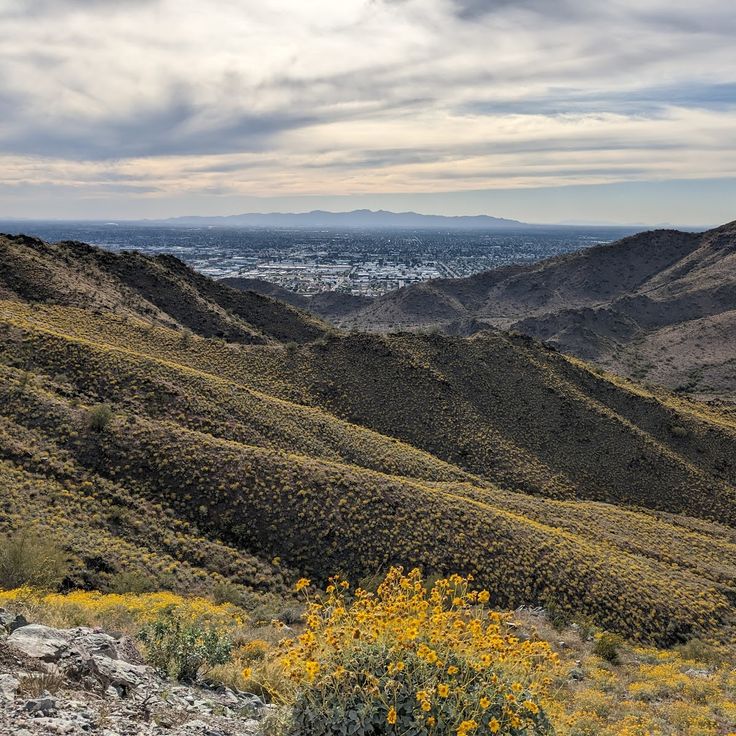
The Phoenix Mountain Preserve is a protected area in Phoenix that offers hiking trails with views of the city. Within the context of Phoenix's desert gardens, museums, and mountain attractions, this preserve provides access to natural landscapes where visitors can walk among the terrain and see the city skyline. The trails connect people to the natural environment that surrounds the urban area.
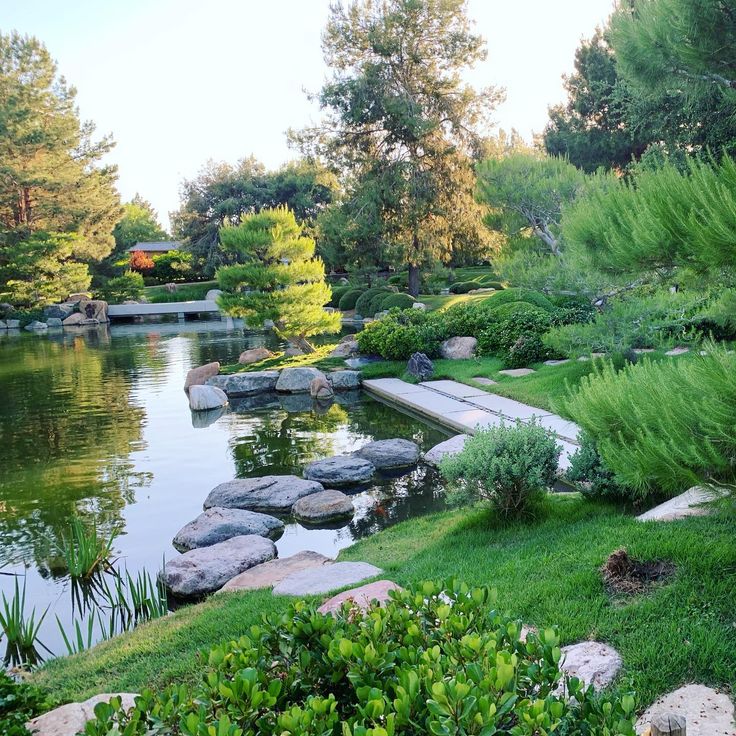
The Japanese Friendship Garden is a public garden in Phoenix designed in the traditional Japanese style. It fits well within Phoenix's range of desert gardens, museums, and cultural attractions. The garden features carefully arranged plants, water features, and stone elements that reflect classical Japanese garden design. Visitors come here to experience a calm space in the heart of the city and see how traditional Japanese design principles shape the landscape.
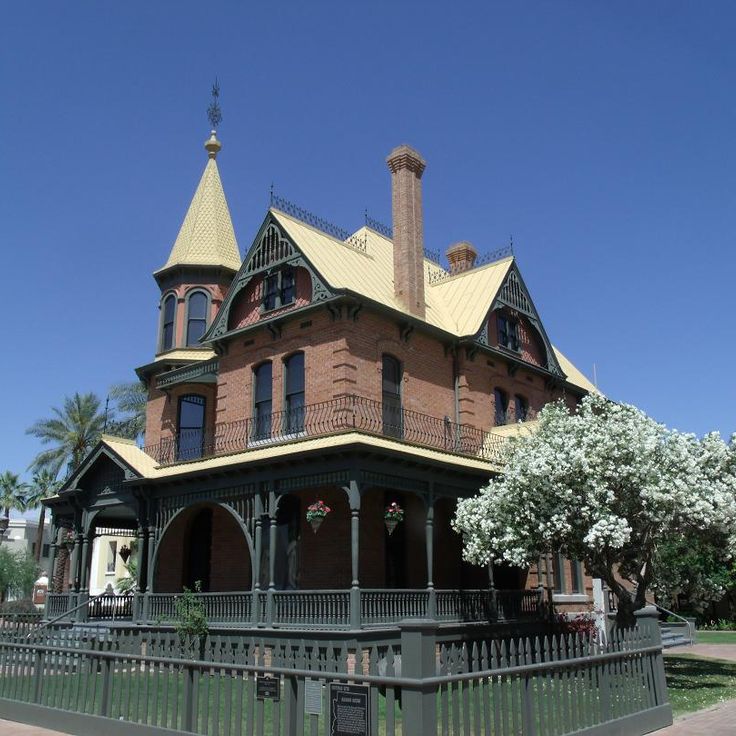
The Rosson House Museum is a restored 1895 Queen Anne-style house located in Phoenix. It shows how wealthy families lived during the city's early days. As a museum, it offers a window into Phoenix's history and the architecture of that era. Visitors can explore the original furnished rooms and learn about daily life in the desert city.
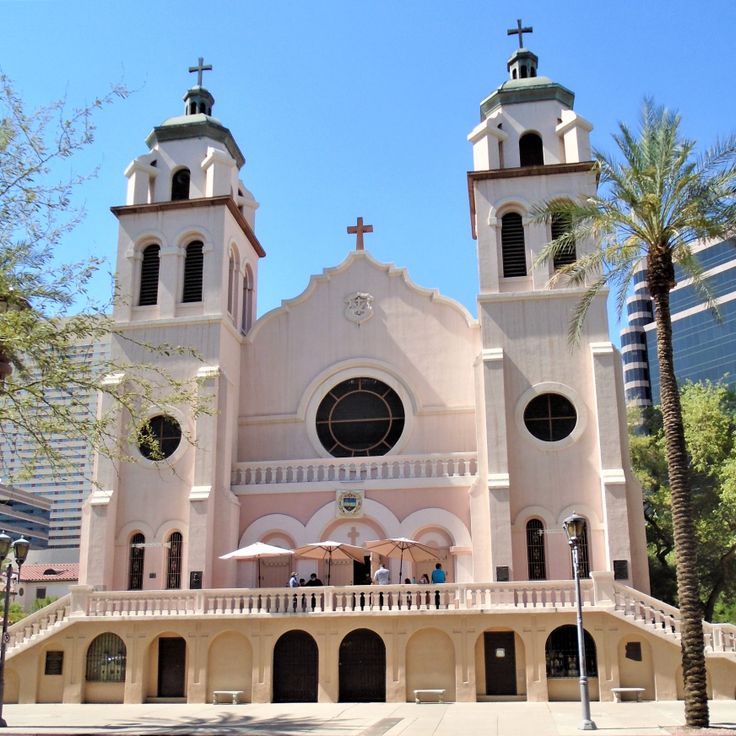
St Mary's Basilica is a historic Catholic church in Phoenix that represents the cultural landmarks within this desert city. The church features artistic details and religious artwork that reflect the spiritual heritage of the region. As part of Phoenix's blend of natural parks, museums, and historic sites, this basilica offers visitors a glimpse into the architectural and religious history that shaped the city. The building stands as a testament to the city's diverse attractions, from mountain trails to cultural venues.
Pueblo Grande Museum shows how people lived in the desert thousands of years ago. It fits into the larger Phoenix collection that brings together desert gardens, museums, and mountain trails. The museum helps visitors understand how ancient cultures thrived in this landscape.
North Mountain Park provides hiking trails and views of Phoenix that fit well with the city's natural attractions. The park sits in the desert landscape and lets visitors explore the surroundings on foot. The trails wind through hilly terrain with views of the city and the mountains beyond.
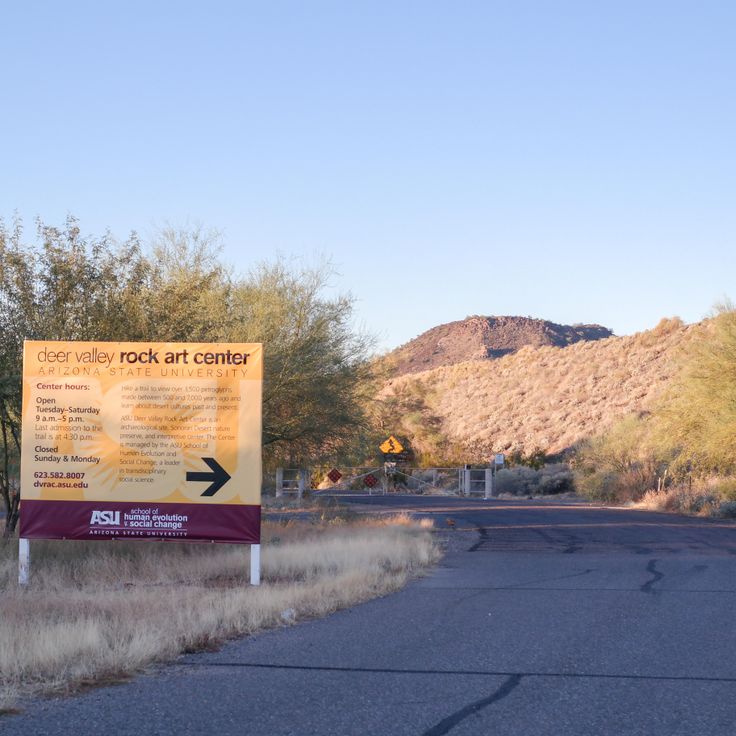
Deer Valley Petroglyph Preserve protects ancient rock art created hundreds of years ago. Over 1,500 petroglyphs are carved into the rock face, left behind by people who once lived in this desert region. This site fits well with Phoenix's collection of natural parks and historic places. Visitors walk through the preserve on marked trails to view the ancient images among the desert landscape.
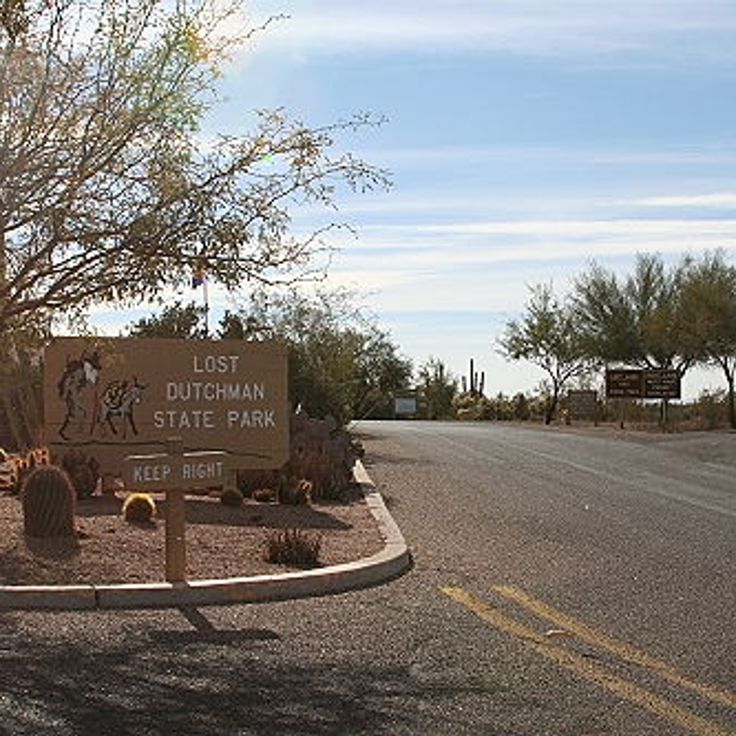
Lost Dutchman State Park sits east of Phoenix and draws visitors who camp among desert landscapes facing the Superstition Mountains. The park works as a destination for those seeking to watch stars from open areas at night. Walking trails pass through dry terrain, and the location offers views that connect travelers to the natural side of the Phoenix region.
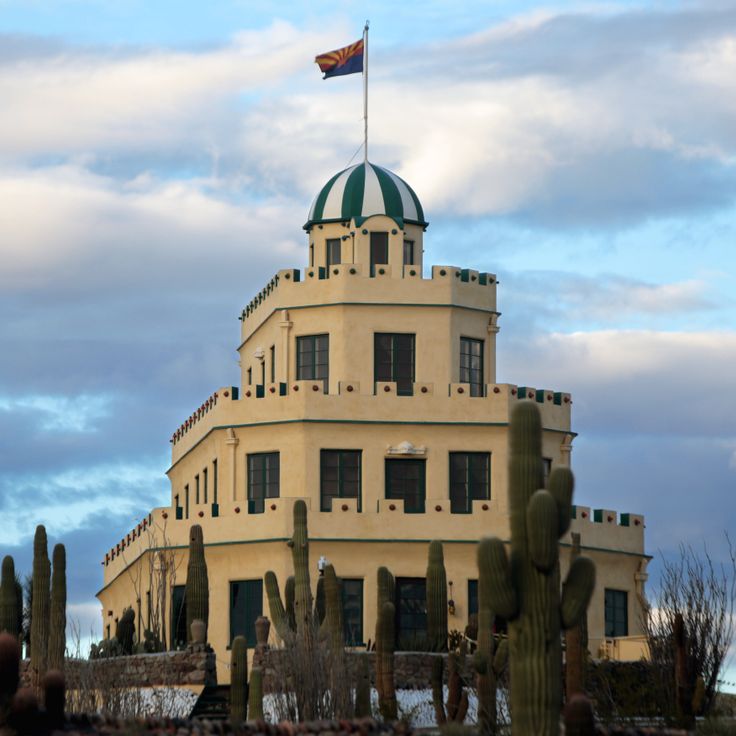
Tovrea Castle at Carraro Heights is a historic home and garden in Phoenix where visitors walk through rooms filled with period furnishings and explore surrounding grounds. The mansion sits on a hilltop and reflects how wealthy residents lived in the desert region during earlier times. Its elevated location offers views across the city and outward to the landscape beyond. The house and gardens tell the story of Phoenix's past and fit naturally into a visit to the city's cultural venues and historic buildings.
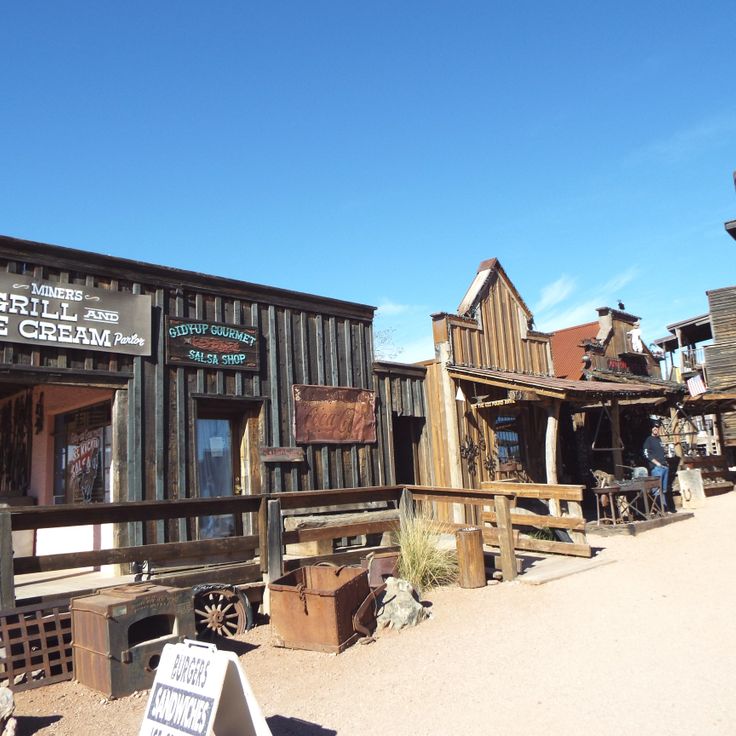
Goldfield Ghost Town is a restored 1890s mining site where you can step back to the days of gold extraction in the Arizona desert. The original buildings still stand, offering a glimpse into how miners worked and lived during that era. You can tour the mine shafts and view historical exhibits that explain the techniques used to find and process gold. This ghost town fits naturally into a Phoenix-area exploration that combines desert landscapes with glimpses of the region's mining past.
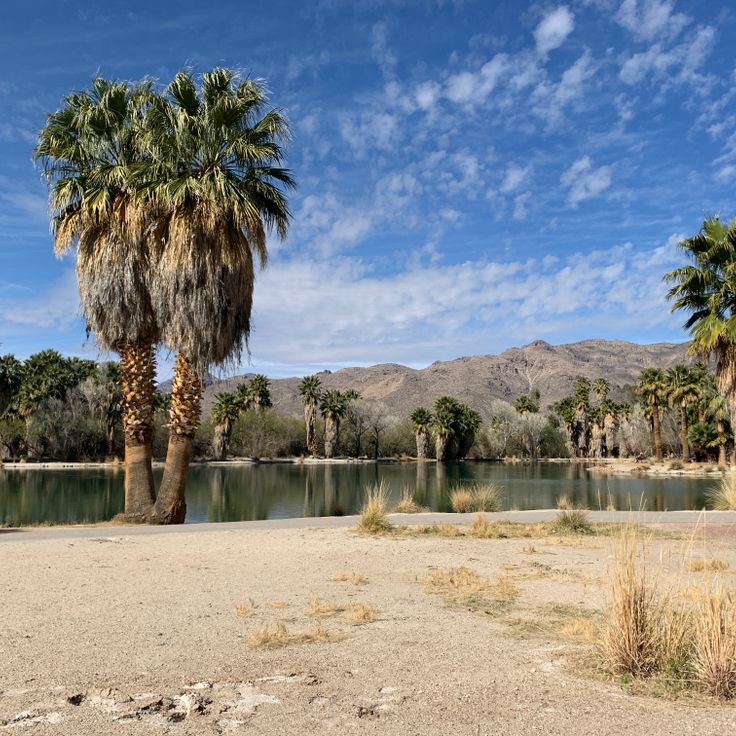
Agua Caliente Park shows how water and heat shape life in the Arizona desert near Phoenix. The park has a thermal spring, hiking trails through the landscape, and a pond where over 150 bird species gather to drink and nest. Visitors walk through creosote shrubs and palo verde trees. The paths lead past reeds where great blue herons fish and ducks paddle. The warm water creates an oasis where wildlife converges, especially during the hot months.
The Desert Botanical Garden in Phoenix displays thousands of desert plants from the Sonoran region. Visitors can walk through trails to explore different plant species and learn about conservation efforts. The garden offers a chance to understand the diversity of desert plant life and how the landscape of this region sustains itself.
The Heard Museum in Phoenix displays extensive collections of Native American artworks and objects. The focus is on the tribes of the Southwest and their history. The museum offers visitors insights into the traditional crafts, clothing, and everyday objects of these peoples.
The Phoenix Art Museum displays artworks in this collection from Europe, Asia, America, and the West, spanning from medieval times to the present day. The museum showcases how different cultures and periods have created art, offering visitors a chance to see works from many traditions and eras.
Camelback Mountain is a distinctive peak in Phoenix featuring two hiking trails of different difficulty levels. The paths lead to viewpoints that overlook Phoenix Valley, offering hikers a chance to experience the desert landscape on foot.
Mystery Castle is an unusual structure from the 1930s, built by Boyce Luther Gulley using stones, car tires, and railroad tracks over 15 years. This quirky building demonstrates how people can construct with found materials and fits well into Phoenix's story, where desert gardens, museums, and hiking trails mix with historic buildings and cultural sites.
Papago Park is a large municipal park in Phoenix with distinctive red sandstone formations that define the local landscape. The park features walking trails through varied terrain, a botanical garden showcasing desert plants, and Hunt's Tomb, a white pyramid structure visible from many points in the park. Visitors can explore the natural environment of the Sonoran Desert while staying close to the city. This location represents the blend of outdoor recreation and natural history that characterizes Phoenix's appeal.
The Phoenix Zoo is a major animal facility in Phoenix that fits into the city's mix of desert nature and cultural attractions. The zoo houses over 3000 animals across an expansive site and offers visitors a chance to see creatures from multiple continents. Guests walk through different habitat zones that recreate environments from Africa, Asia, and the Americas. The zoo operates as a non-profit organization focused on animal care and conservation. Families and travelers come here to observe wildlife up close and learn about ecosystems and species from around the world.
South Mountain Park is a large natural area in Phoenix featuring marked hiking trails, mountain biking paths, and Native American petroglyphs. The park offers routes for different fitness levels and allows visitors to explore the desert landscape while discovering historical rock art created by indigenous peoples.
As part of Phoenix's attractions, Castles N' Coasters brings family entertainment to the desert city. The park features four roller coasters, a miniature golf course, an arcade hall, and various rides for all ages. Visitors can enjoy thrilling experiences or take a break with gentler activities, spending a full day of amusement in the area.
Heritage Square is a 19th-century street in downtown Phoenix that preserves original buildings from the city's early years. The site shows how Phoenix looked when it was founded, with Victorian houses that visitors can still explore today. A museum on the square tells the story of the city's past, and a restaurant operates inside one of the historic homes. Walking through Heritage Square feels like stepping back in time, seeing the architecture and learning how people lived here generations ago. This location adds a historical perspective to Phoenix's character, showing the blend of the city's pioneering past alongside the desert environment that defines the region.
The Musical Instrument Museum in Phoenix displays roughly 15,000 instruments from 200 countries. Visitors listen to sounds from around the world through headphones. The museum features a concert hall for live performances. It complements the cultural offerings in this desert city.
Chase Field is a baseball stadium in Phoenix that is home to the Arizona Diamondbacks. The stadium features a retractable roof and air conditioning that keeps the venue comfortable during the hot summer months. With seating for almost 49000 spectators, it serves as a major venue for sports events and entertainment in the city. The stadium fits into Phoenix's range of cultural attractions and modern venues that visitors can enjoy alongside desert gardens, museums, and mountain trails.
The Arizona Science Center in Phoenix features interactive science exhibits that invite visitors to explore and discover through hands-on activities. The museum complements Phoenix's collection of cultural venues, natural parks, and outdoor attractions. Guests of all ages can engage with practical demonstrations and learn about scientific concepts in a welcoming environment.
Taliesin West was Frank Lloyd Wright's winter home and architecture school. The structures showcase his innovative design principles and demonstrate his influence on modern architecture. Within Phoenix's collection of cultural and natural attractions, Taliesin West offers insight into the creative vision of one of America's most influential architects.
The Hall of Flame Fire Museum presents firefighting history through displays of vintage equipment and vehicles. As part of Phoenix's range of cultural venues, this museum complements the city's museums and historic buildings, which sit alongside natural parks and mountain trails in the broader landscape of desert attractions.
The Phoenix Mountain Preserve is a protected area in Phoenix that offers hiking trails with views of the city. Within the context of Phoenix's desert gardens, museums, and mountain attractions, this preserve provides access to natural landscapes where visitors can walk among the terrain and see the city skyline. The trails connect people to the natural environment that surrounds the urban area.
The Japanese Friendship Garden is a public garden in Phoenix designed in the traditional Japanese style. It fits well within Phoenix's range of desert gardens, museums, and cultural attractions. The garden features carefully arranged plants, water features, and stone elements that reflect classical Japanese garden design. Visitors come here to experience a calm space in the heart of the city and see how traditional Japanese design principles shape the landscape.
The Rosson House Museum is a restored 1895 Queen Anne-style house located in Phoenix. It shows how wealthy families lived during the city's early days. As a museum, it offers a window into Phoenix's history and the architecture of that era. Visitors can explore the original furnished rooms and learn about daily life in the desert city.
St Mary's Basilica is a historic Catholic church in Phoenix that represents the cultural landmarks within this desert city. The church features artistic details and religious artwork that reflect the spiritual heritage of the region. As part of Phoenix's blend of natural parks, museums, and historic sites, this basilica offers visitors a glimpse into the architectural and religious history that shaped the city. The building stands as a testament to the city's diverse attractions, from mountain trails to cultural venues.
Pueblo Grande Museum shows how people lived in the desert thousands of years ago. It fits into the larger Phoenix collection that brings together desert gardens, museums, and mountain trails. The museum helps visitors understand how ancient cultures thrived in this landscape.
North Mountain Park provides hiking trails and views of Phoenix that fit well with the city's natural attractions. The park sits in the desert landscape and lets visitors explore the surroundings on foot. The trails wind through hilly terrain with views of the city and the mountains beyond.
Deer Valley Petroglyph Preserve protects ancient rock art created hundreds of years ago. Over 1,500 petroglyphs are carved into the rock face, left behind by people who once lived in this desert region. This site fits well with Phoenix's collection of natural parks and historic places. Visitors walk through the preserve on marked trails to view the ancient images among the desert landscape.
Lost Dutchman State Park sits east of Phoenix and draws visitors who camp among desert landscapes facing the Superstition Mountains. The park works as a destination for those seeking to watch stars from open areas at night. Walking trails pass through dry terrain, and the location offers views that connect travelers to the natural side of the Phoenix region.
Tovrea Castle at Carraro Heights is a historic home and garden in Phoenix where visitors walk through rooms filled with period furnishings and explore surrounding grounds. The mansion sits on a hilltop and reflects how wealthy residents lived in the desert region during earlier times. Its elevated location offers views across the city and outward to the landscape beyond. The house and gardens tell the story of Phoenix's past and fit naturally into a visit to the city's cultural venues and historic buildings.
Goldfield Ghost Town is a restored 1890s mining site where you can step back to the days of gold extraction in the Arizona desert. The original buildings still stand, offering a glimpse into how miners worked and lived during that era. You can tour the mine shafts and view historical exhibits that explain the techniques used to find and process gold. This ghost town fits naturally into a Phoenix-area exploration that combines desert landscapes with glimpses of the region's mining past.
Agua Caliente Park shows how water and heat shape life in the Arizona desert near Phoenix. The park has a thermal spring, hiking trails through the landscape, and a pond where over 150 bird species gather to drink and nest. Visitors walk through creosote shrubs and palo verde trees. The paths lead past reeds where great blue herons fish and ducks paddle. The warm water creates an oasis where wildlife converges, especially during the hot months.
The Desert Botanical Garden in Phoenix displays thousands of desert plants from the Sonoran region. Visitors can walk through trails to explore different plant species and learn about conservation efforts. The garden offers a chance to understand the diversity of desert plant life and how the landscape of this region sustains itself.
The Heard Museum in Phoenix displays extensive collections of Native American artworks and objects. The focus is on the tribes of the Southwest and their history. The museum offers visitors insights into the traditional crafts, clothing, and everyday objects of these peoples.
The Phoenix Art Museum displays artworks in this collection from Europe, Asia, America, and the West, spanning from medieval times to the present day. The museum showcases how different cultures and periods have created art, offering visitors a chance to see works from many traditions and eras.
Camelback Mountain is a distinctive peak in Phoenix featuring two hiking trails of different difficulty levels. The paths lead to viewpoints that overlook Phoenix Valley, offering hikers a chance to experience the desert landscape on foot.
Mystery Castle is an unusual structure from the 1930s, built by Boyce Luther Gulley using stones, car tires, and railroad tracks over 15 years. This quirky building demonstrates how people can construct with found materials and fits well into Phoenix's story, where desert gardens, museums, and hiking trails mix with historic buildings and cultural sites.
Papago Park is a large municipal park in Phoenix with distinctive red sandstone formations that define the local landscape. The park features walking trails through varied terrain, a botanical garden showcasing desert plants, and Hunt's Tomb, a white pyramid structure visible from many points in the park. Visitors can explore the natural environment of the Sonoran Desert while staying close to the city. This location represents the blend of outdoor recreation and natural history that characterizes Phoenix's appeal.
The Phoenix Zoo is a major animal facility in Phoenix that fits into the city's mix of desert nature and cultural attractions. The zoo houses over 3000 animals across an expansive site and offers visitors a chance to see creatures from multiple continents. Guests walk through different habitat zones that recreate environments from Africa, Asia, and the Americas. The zoo operates as a non-profit organization focused on animal care and conservation. Families and travelers come here to observe wildlife up close and learn about ecosystems and species from around the world.
South Mountain Park is a large natural area in Phoenix featuring marked hiking trails, mountain biking paths, and Native American petroglyphs. The park offers routes for different fitness levels and allows visitors to explore the desert landscape while discovering historical rock art created by indigenous peoples.
As part of Phoenix's attractions, Castles N' Coasters brings family entertainment to the desert city. The park features four roller coasters, a miniature golf course, an arcade hall, and various rides for all ages. Visitors can enjoy thrilling experiences or take a break with gentler activities, spending a full day of amusement in the area.
Heritage Square is a 19th-century street in downtown Phoenix that preserves original buildings from the city's early years. The site shows how Phoenix looked when it was founded, with Victorian houses that visitors can still explore today. A museum on the square tells the story of the city's past, and a restaurant operates inside one of the historic homes. Walking through Heritage Square feels like stepping back in time, seeing the architecture and learning how people lived here generations ago. This location adds a historical perspective to Phoenix's character, showing the blend of the city's pioneering past alongside the desert environment that defines the region.
The Musical Instrument Museum in Phoenix displays roughly 15,000 instruments from 200 countries. Visitors listen to sounds from around the world through headphones. The museum features a concert hall for live performances. It complements the cultural offerings in this desert city.
Chase Field is a baseball stadium in Phoenix that is home to the Arizona Diamondbacks. The stadium features a retractable roof and air conditioning that keeps the venue comfortable during the hot summer months. With seating for almost 49000 spectators, it serves as a major venue for sports events and entertainment in the city. The stadium fits into Phoenix's range of cultural attractions and modern venues that visitors can enjoy alongside desert gardens, museums, and mountain trails.
The Arizona Science Center in Phoenix features interactive science exhibits that invite visitors to explore and discover through hands-on activities. The museum complements Phoenix's collection of cultural venues, natural parks, and outdoor attractions. Guests of all ages can engage with practical demonstrations and learn about scientific concepts in a welcoming environment.
Taliesin West was Frank Lloyd Wright's winter home and architecture school. The structures showcase his innovative design principles and demonstrate his influence on modern architecture. Within Phoenix's collection of cultural and natural attractions, Taliesin West offers insight into the creative vision of one of America's most influential architects.
The Hall of Flame Fire Museum presents firefighting history through displays of vintage equipment and vehicles. As part of Phoenix's range of cultural venues, this museum complements the city's museums and historic buildings, which sit alongside natural parks and mountain trails in the broader landscape of desert attractions.
The Phoenix Mountain Preserve is a protected area in Phoenix that offers hiking trails with views of the city. Within the context of Phoenix's desert gardens, museums, and mountain attractions, this preserve provides access to natural landscapes where visitors can walk among the terrain and see the city skyline. The trails connect people to the natural environment that surrounds the urban area.
The Japanese Friendship Garden is a public garden in Phoenix designed in the traditional Japanese style. It fits well within Phoenix's range of desert gardens, museums, and cultural attractions. The garden features carefully arranged plants, water features, and stone elements that reflect classical Japanese garden design. Visitors come here to experience a calm space in the heart of the city and see how traditional Japanese design principles shape the landscape.
The Rosson House Museum is a restored 1895 Queen Anne-style house located in Phoenix. It shows how wealthy families lived during the city's early days. As a museum, it offers a window into Phoenix's history and the architecture of that era. Visitors can explore the original furnished rooms and learn about daily life in the desert city.
St Mary's Basilica is a historic Catholic church in Phoenix that represents the cultural landmarks within this desert city. The church features artistic details and religious artwork that reflect the spiritual heritage of the region. As part of Phoenix's blend of natural parks, museums, and historic sites, this basilica offers visitors a glimpse into the architectural and religious history that shaped the city. The building stands as a testament to the city's diverse attractions, from mountain trails to cultural venues.
Pueblo Grande Museum shows how people lived in the desert thousands of years ago. It fits into the larger Phoenix collection that brings together desert gardens, museums, and mountain trails. The museum helps visitors understand how ancient cultures thrived in this landscape.
North Mountain Park provides hiking trails and views of Phoenix that fit well with the city's natural attractions. The park sits in the desert landscape and lets visitors explore the surroundings on foot. The trails wind through hilly terrain with views of the city and the mountains beyond.
Deer Valley Petroglyph Preserve protects ancient rock art created hundreds of years ago. Over 1,500 petroglyphs are carved into the rock face, left behind by people who once lived in this desert region. This site fits well with Phoenix's collection of natural parks and historic places. Visitors walk through the preserve on marked trails to view the ancient images among the desert landscape.
Lost Dutchman State Park sits east of Phoenix and draws visitors who camp among desert landscapes facing the Superstition Mountains. The park works as a destination for those seeking to watch stars from open areas at night. Walking trails pass through dry terrain, and the location offers views that connect travelers to the natural side of the Phoenix region.
Tovrea Castle at Carraro Heights is a historic home and garden in Phoenix where visitors walk through rooms filled with period furnishings and explore surrounding grounds. The mansion sits on a hilltop and reflects how wealthy residents lived in the desert region during earlier times. Its elevated location offers views across the city and outward to the landscape beyond. The house and gardens tell the story of Phoenix's past and fit naturally into a visit to the city's cultural venues and historic buildings.
Goldfield Ghost Town is a restored 1890s mining site where you can step back to the days of gold extraction in the Arizona desert. The original buildings still stand, offering a glimpse into how miners worked and lived during that era. You can tour the mine shafts and view historical exhibits that explain the techniques used to find and process gold. This ghost town fits naturally into a Phoenix-area exploration that combines desert landscapes with glimpses of the region's mining past.
Agua Caliente Park shows how water and heat shape life in the Arizona desert near Phoenix. The park has a thermal spring, hiking trails through the landscape, and a pond where over 150 bird species gather to drink and nest. Visitors walk through creosote shrubs and palo verde trees. The paths lead past reeds where great blue herons fish and ducks paddle. The warm water creates an oasis where wildlife converges, especially during the hot months.