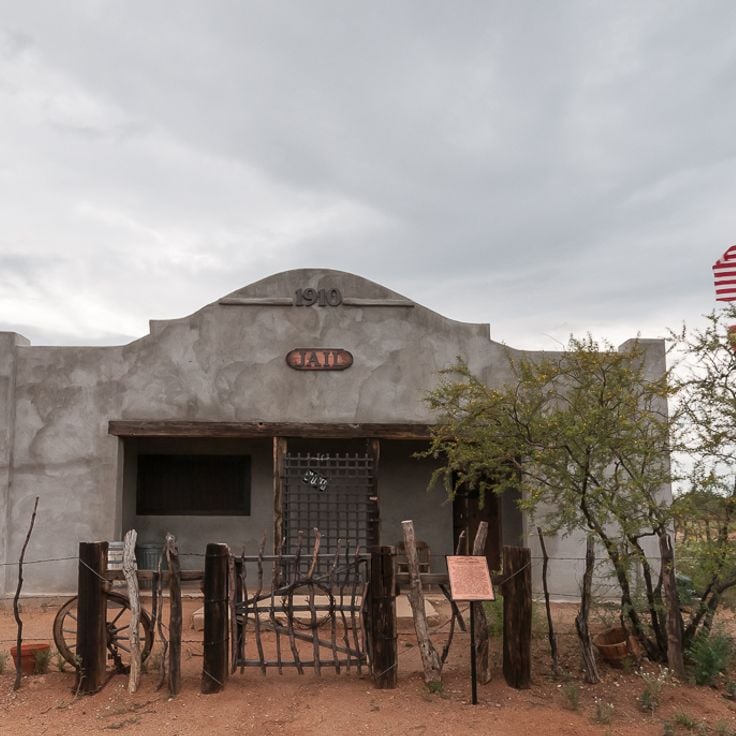
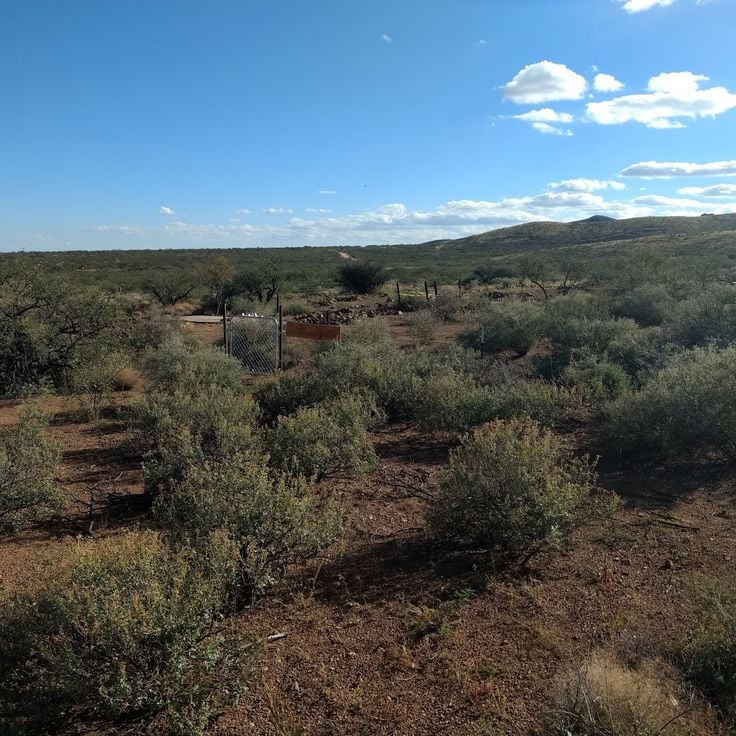
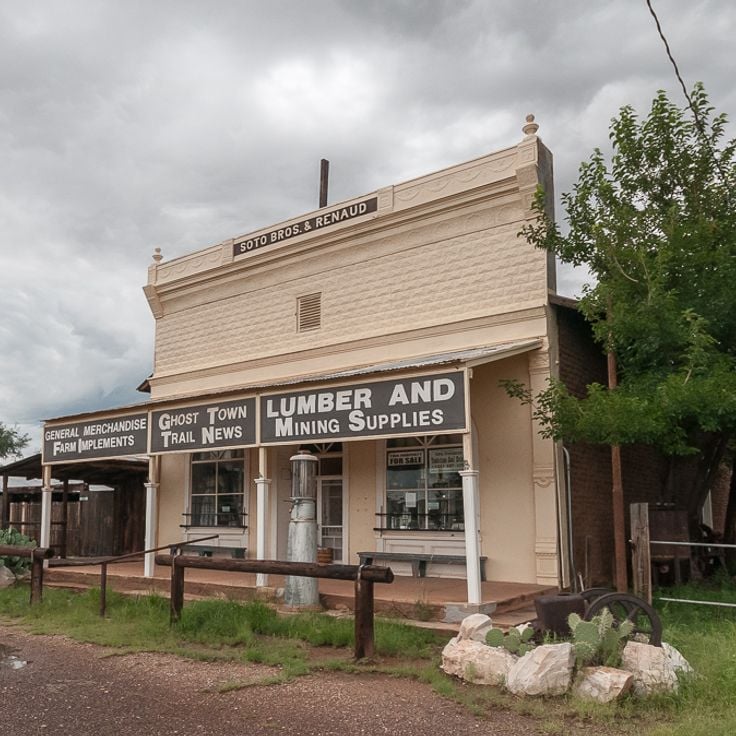
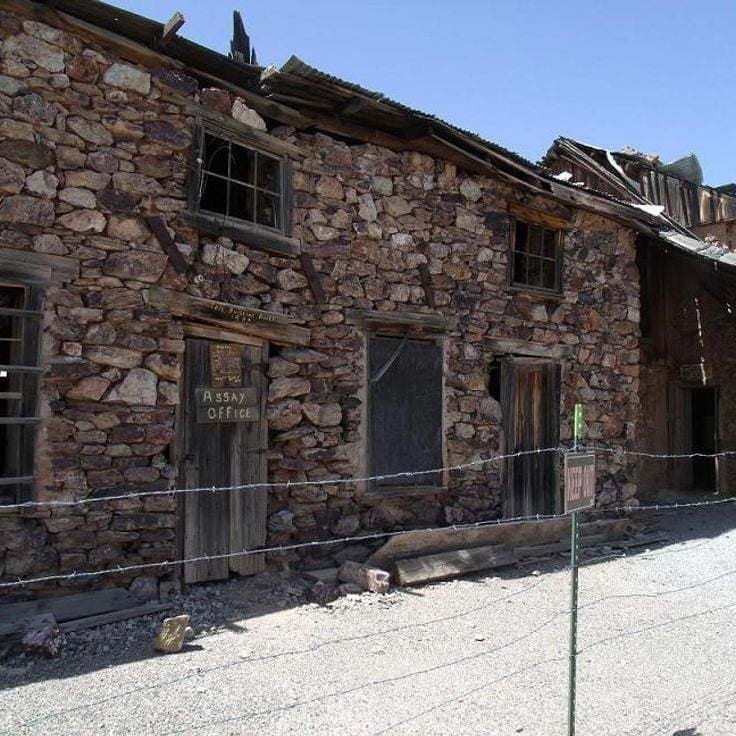
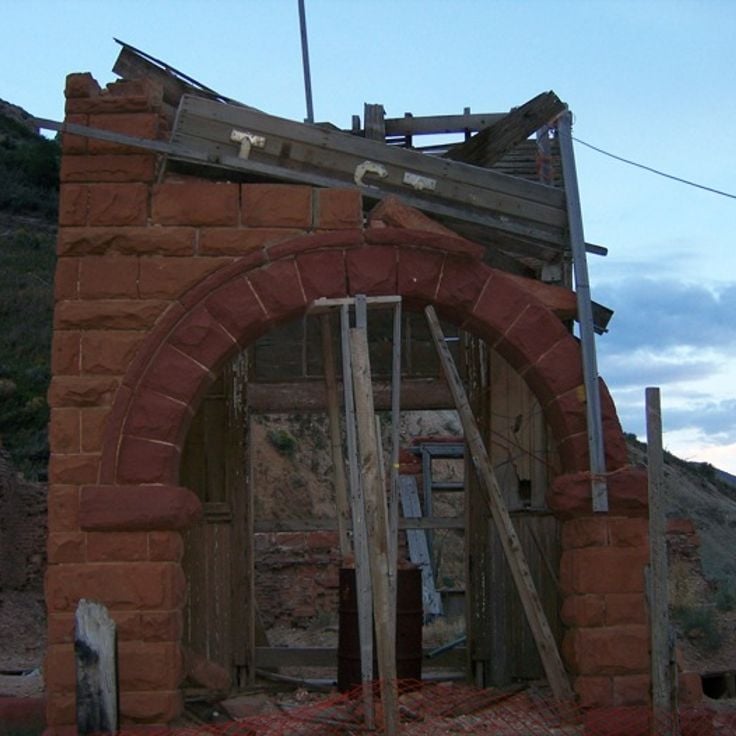
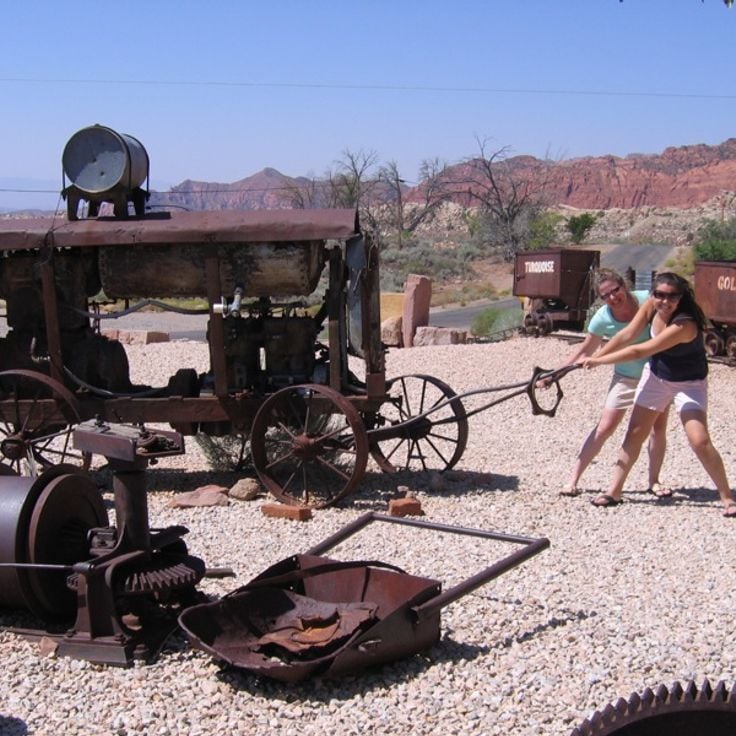
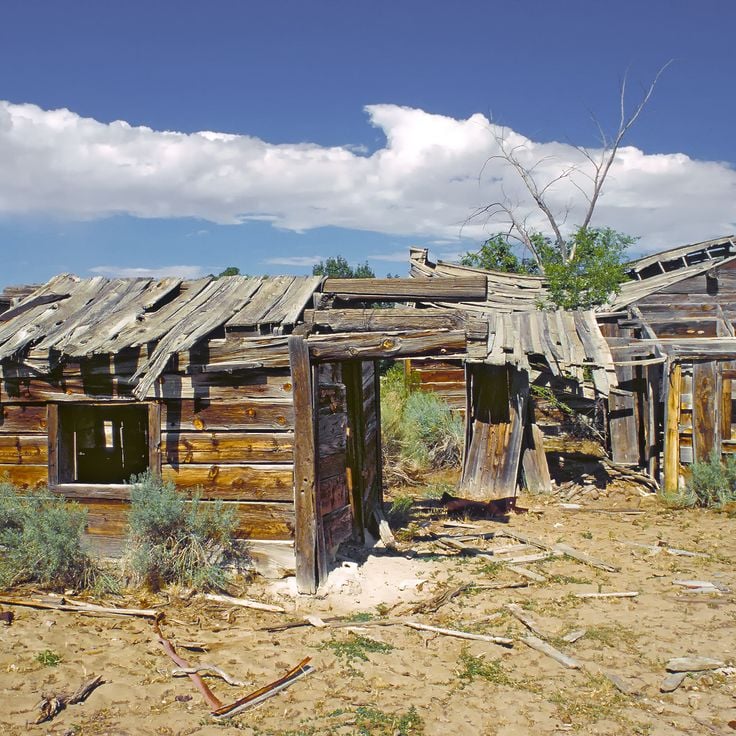
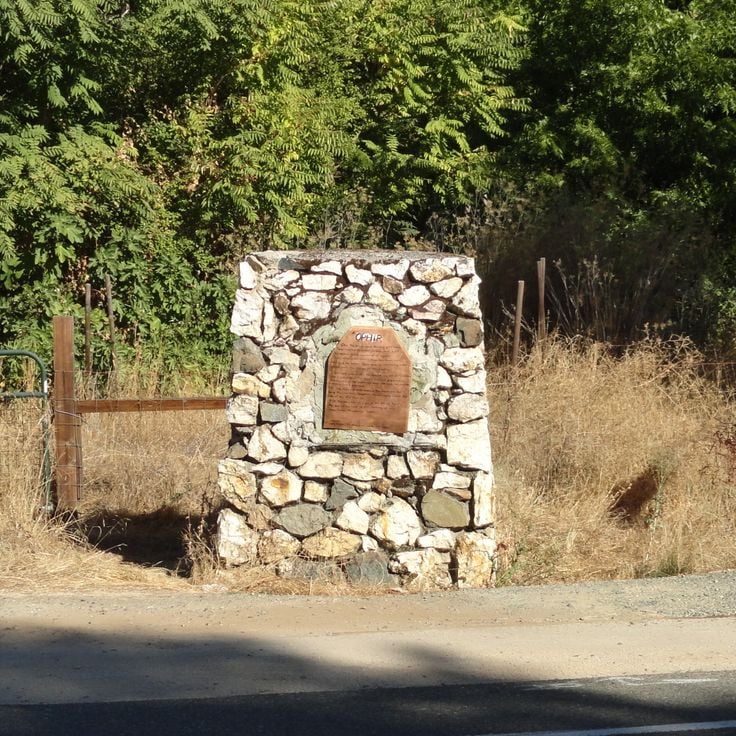
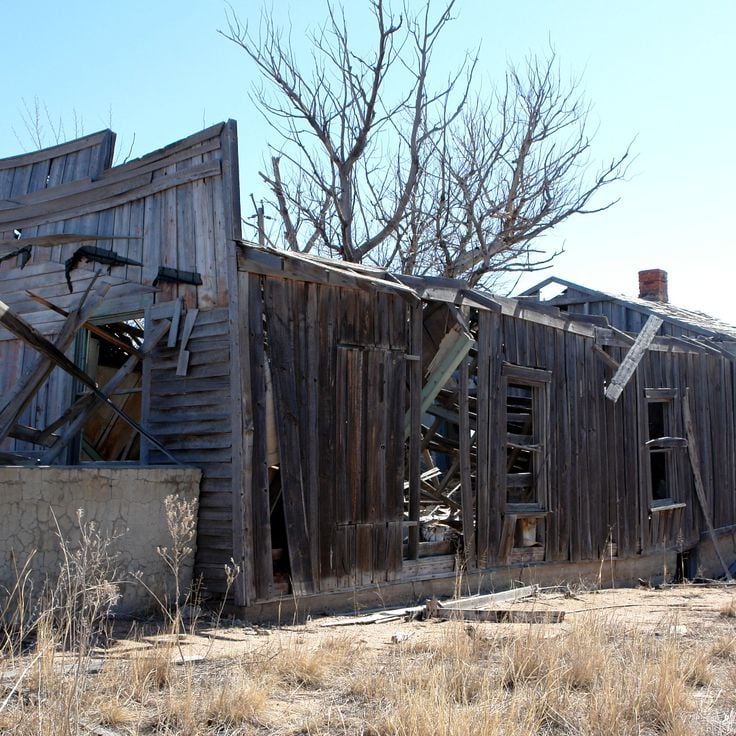
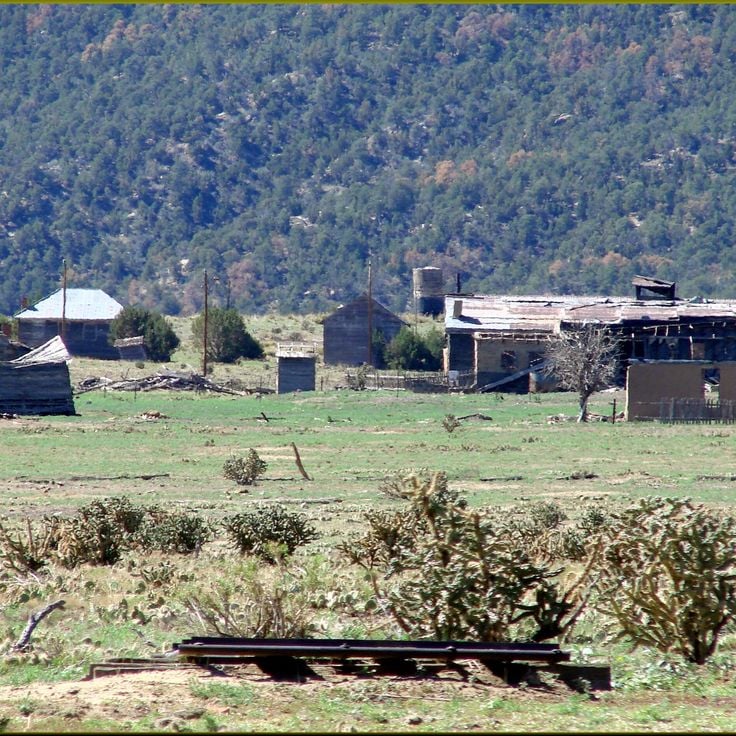
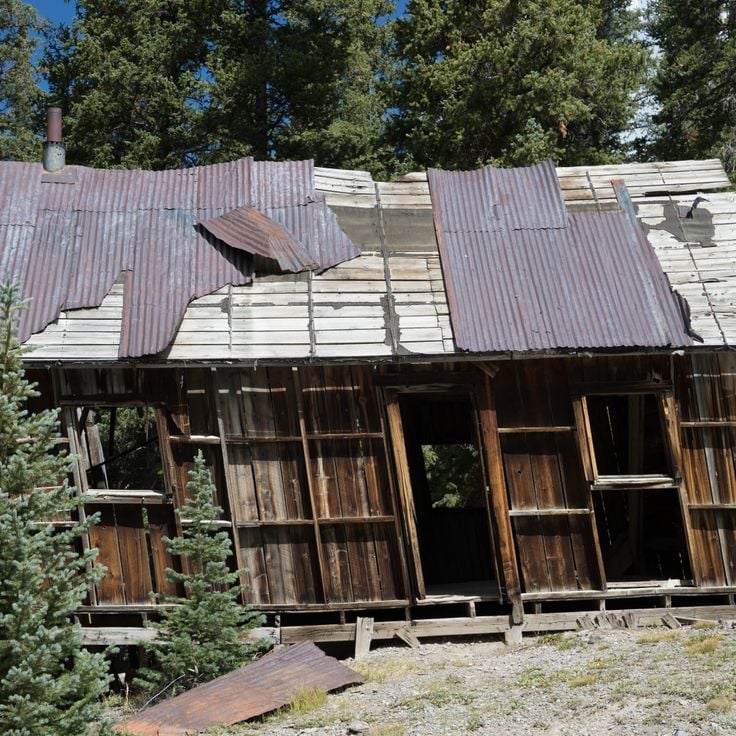
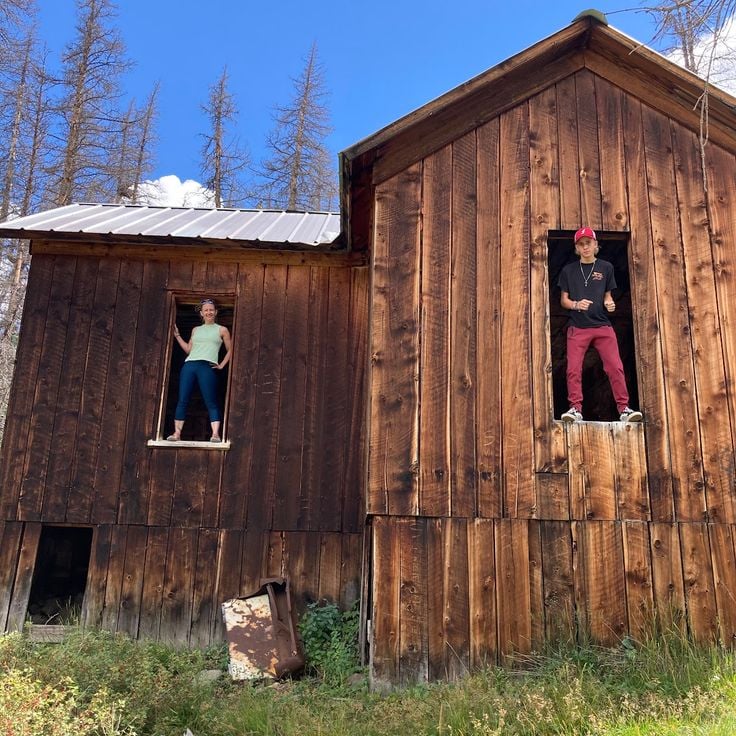
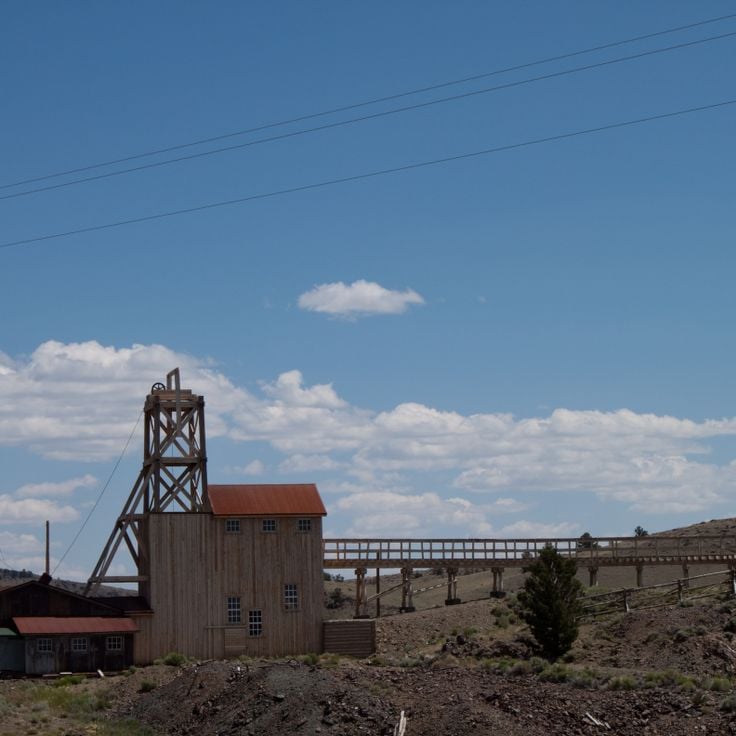
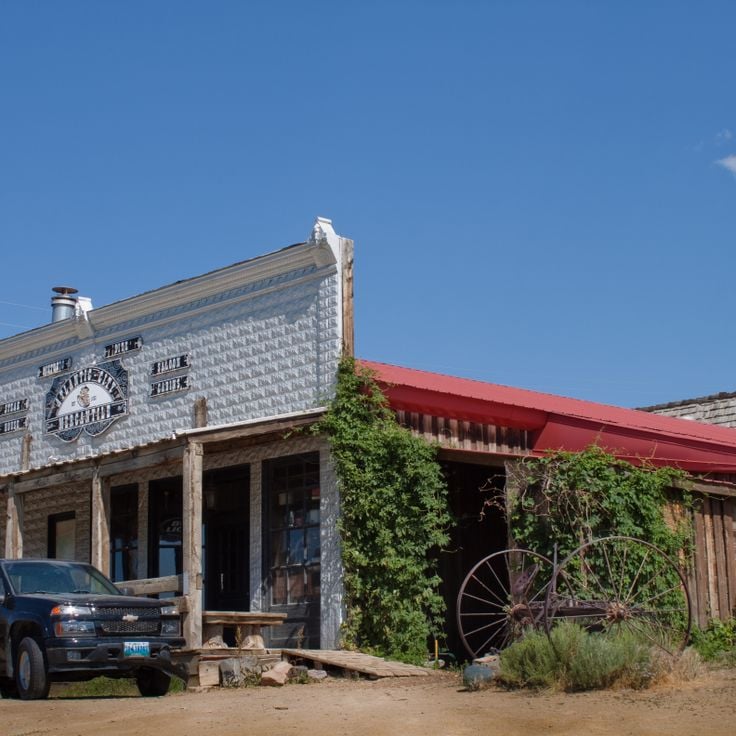
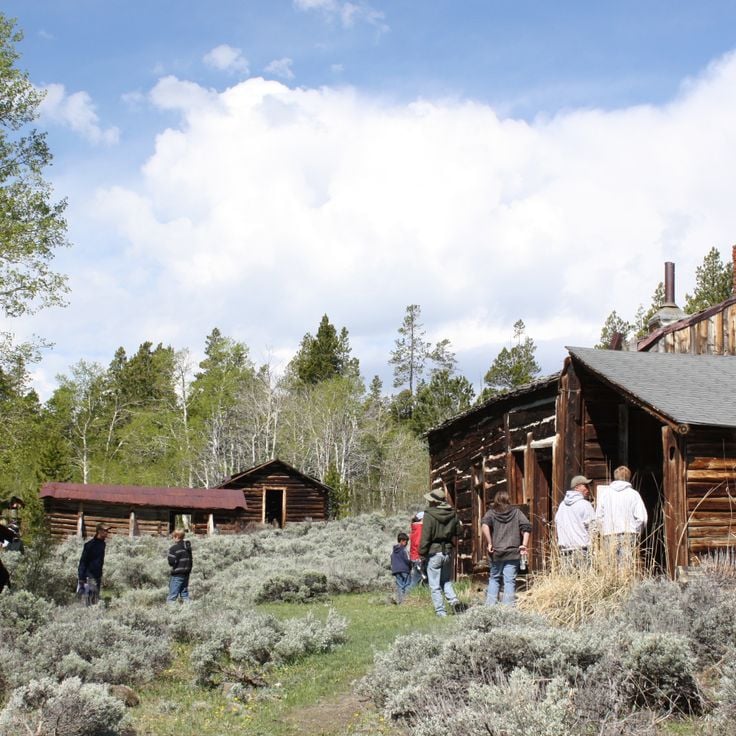
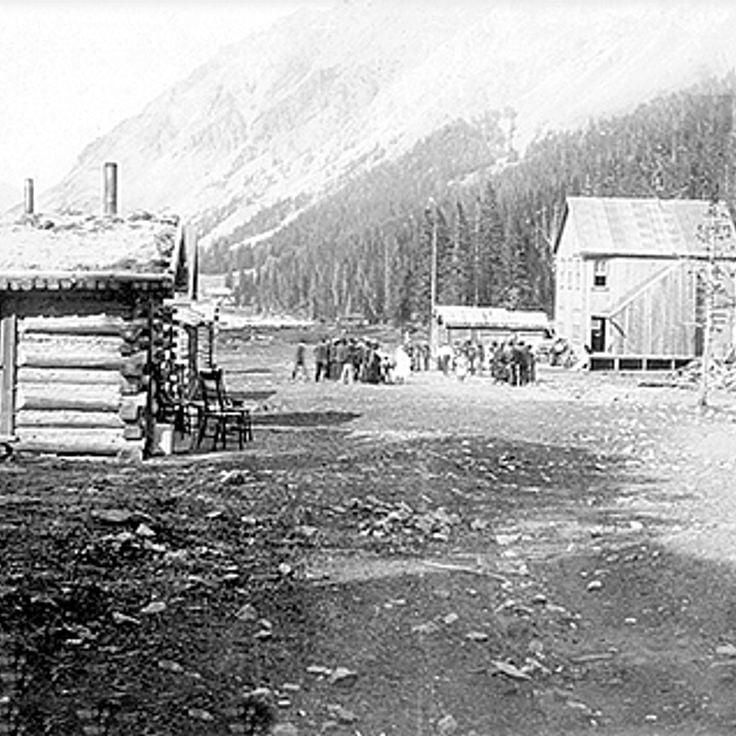
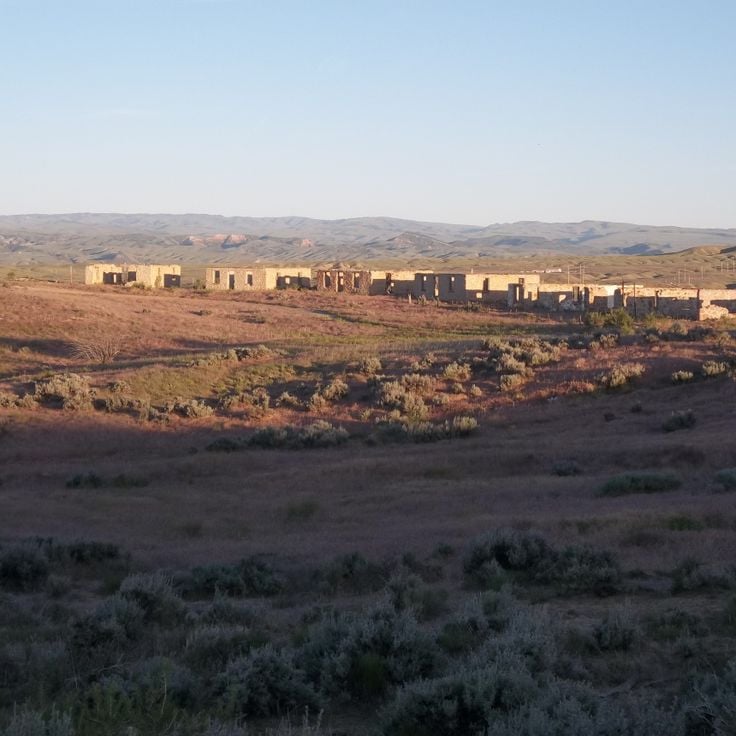
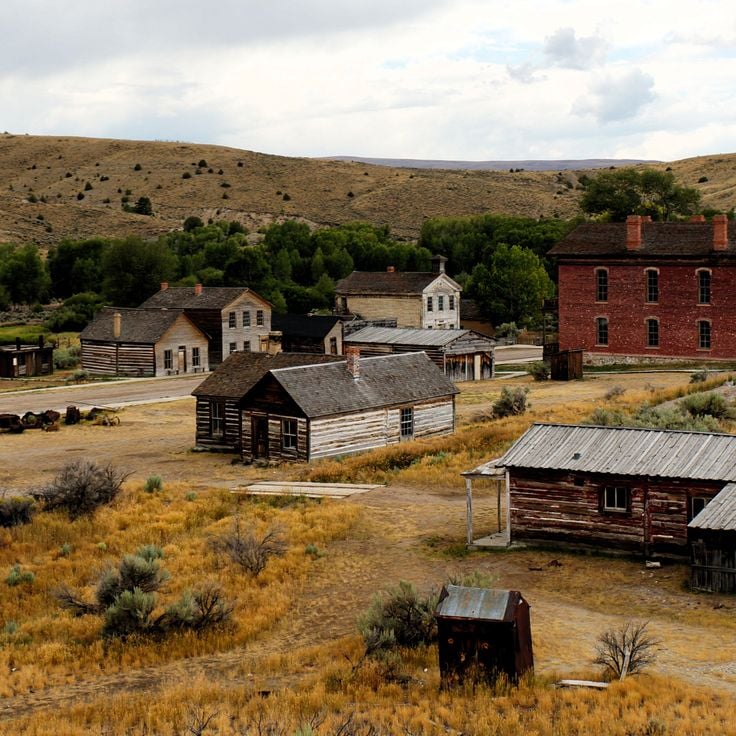
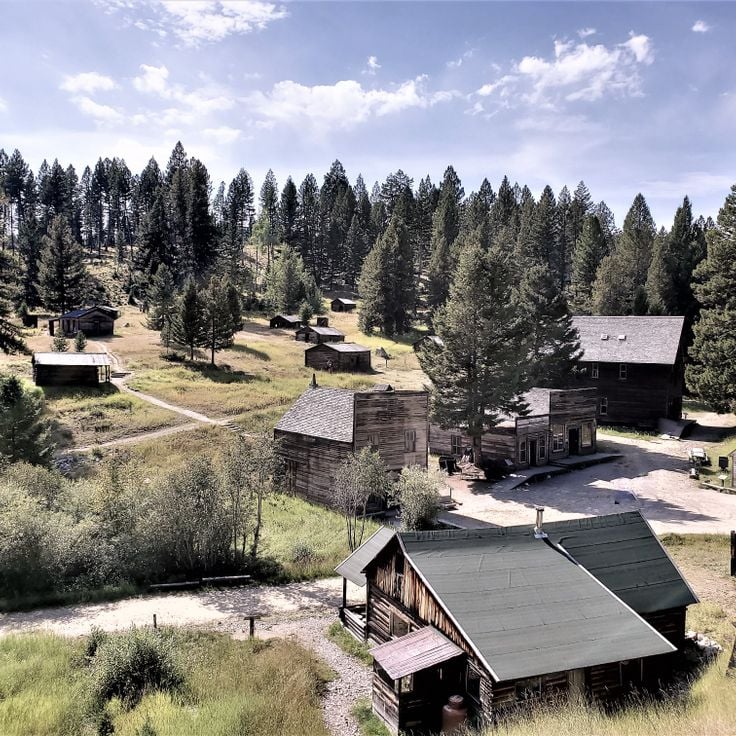
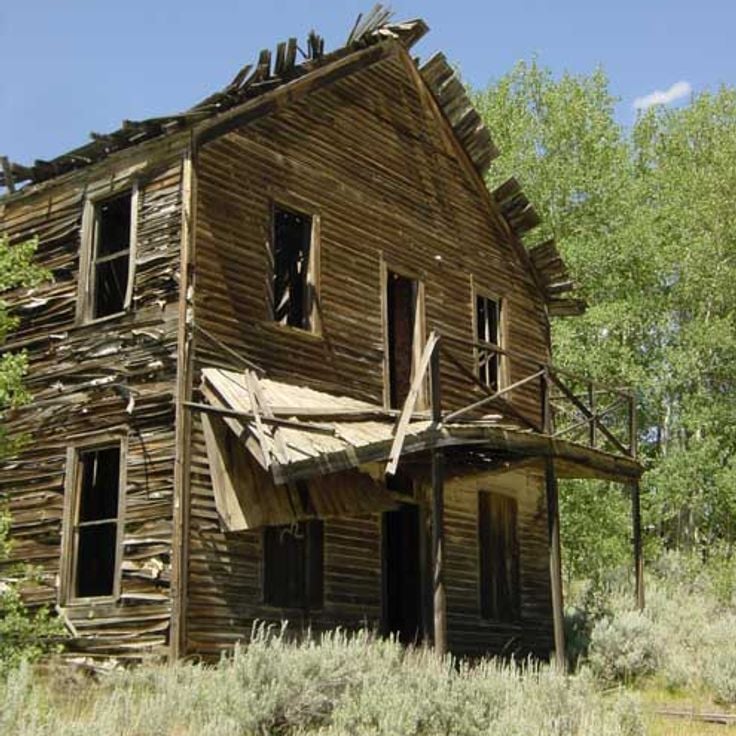
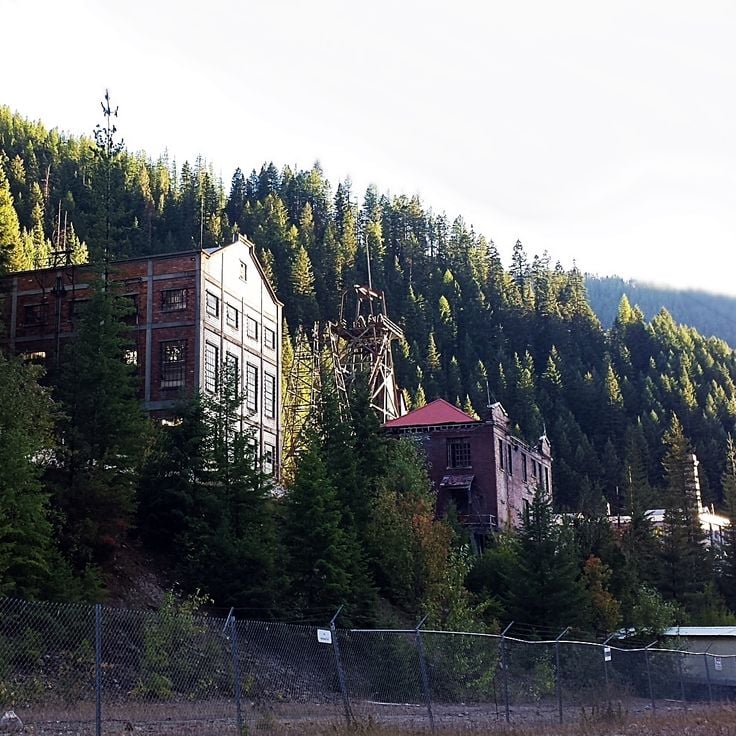
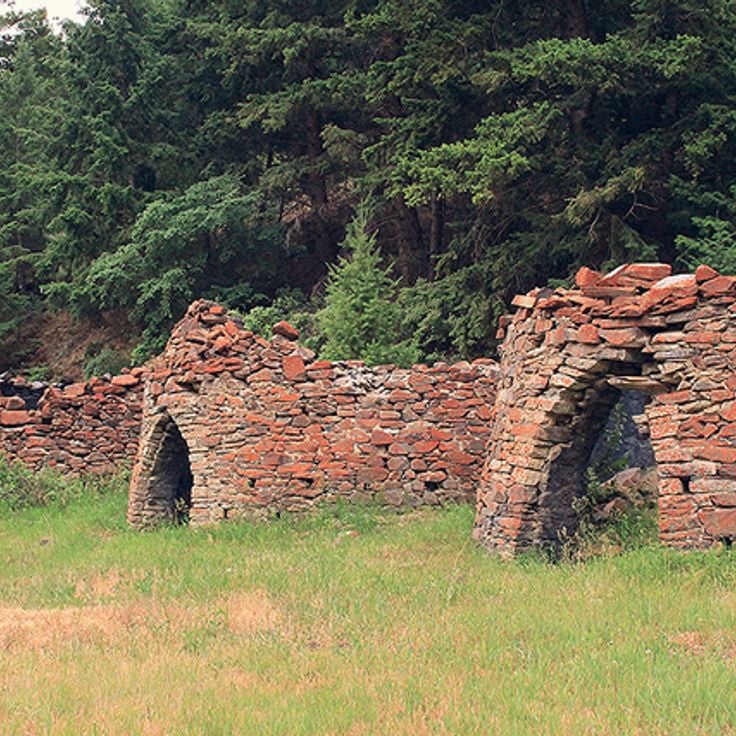
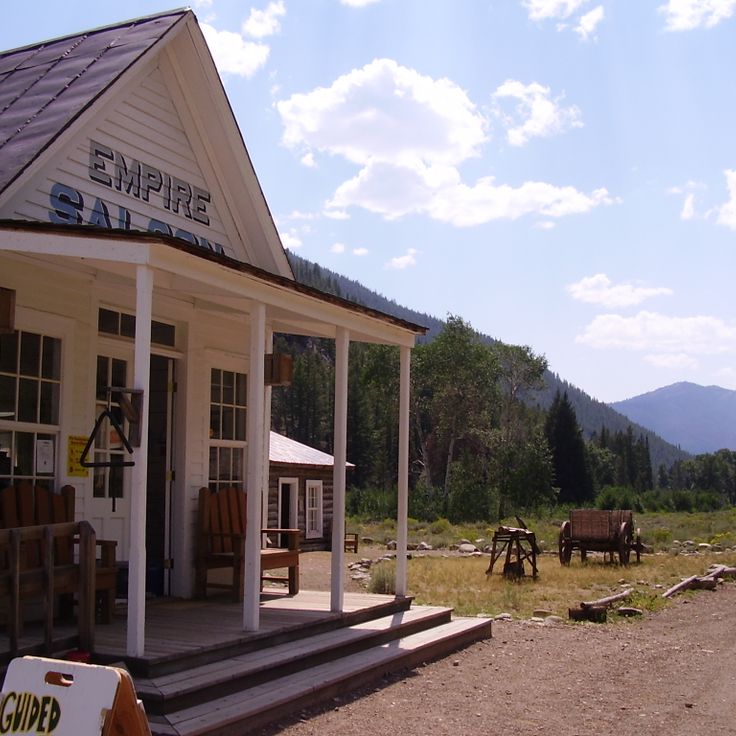
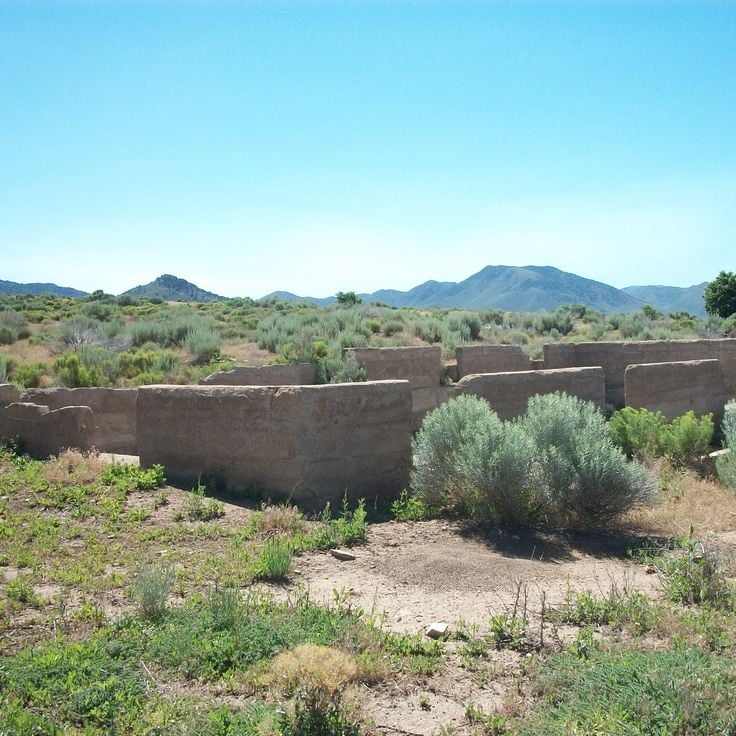
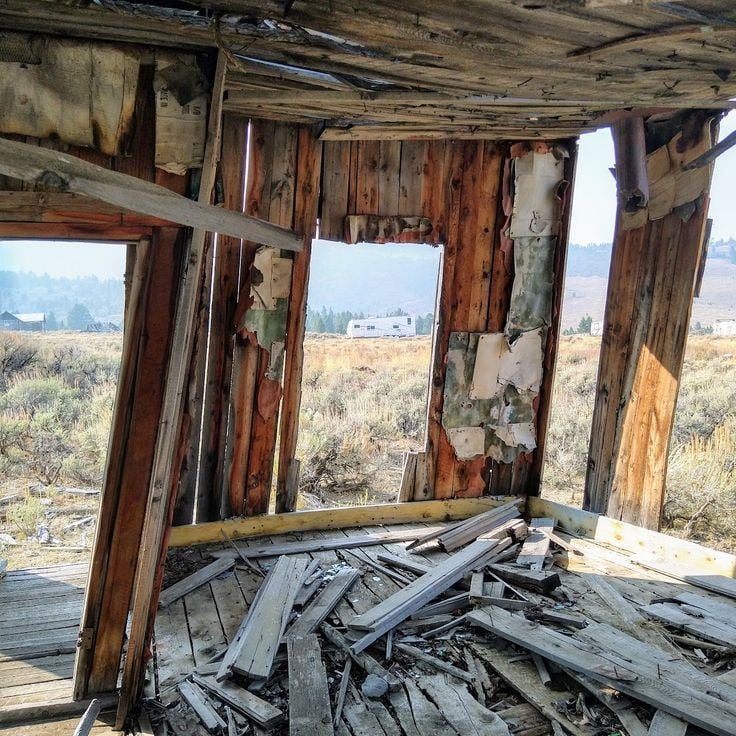
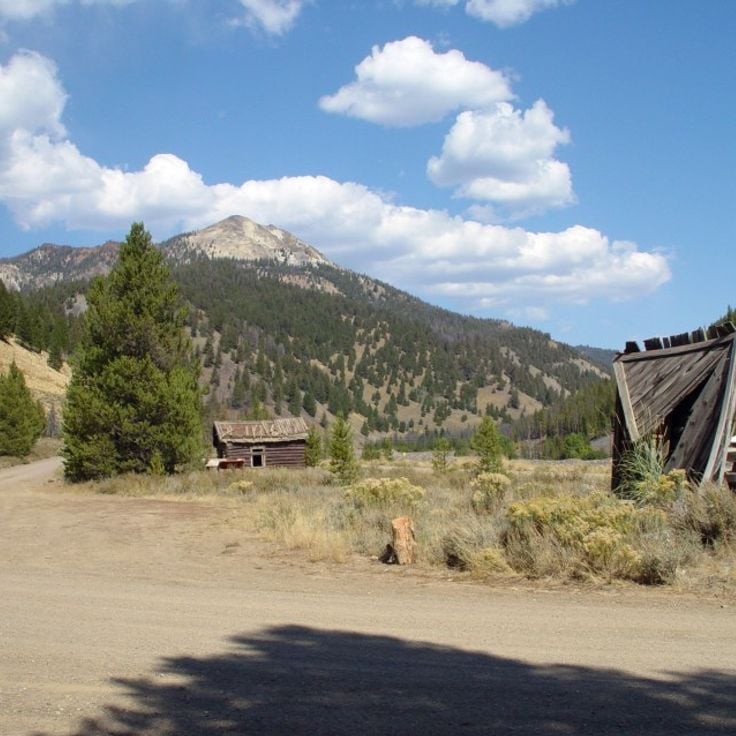
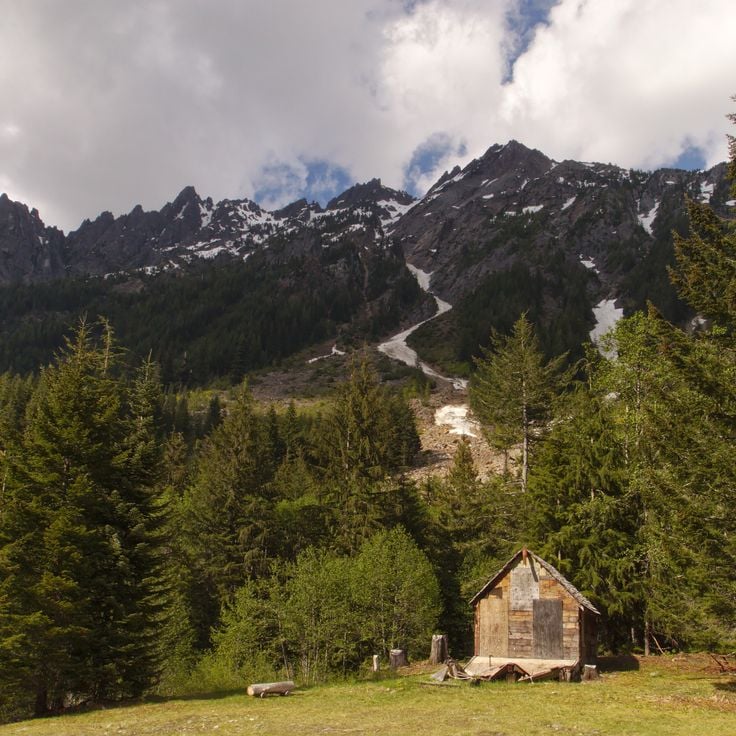
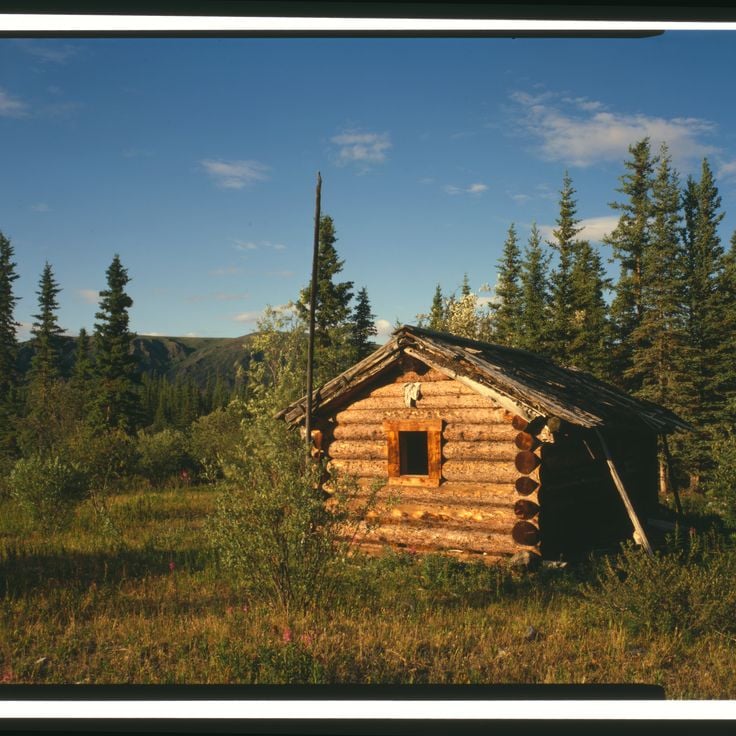
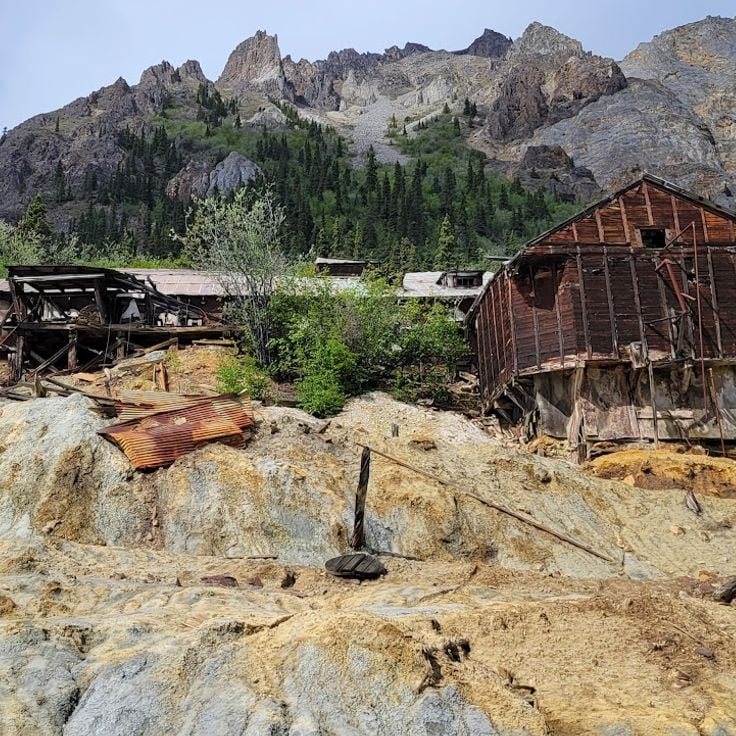
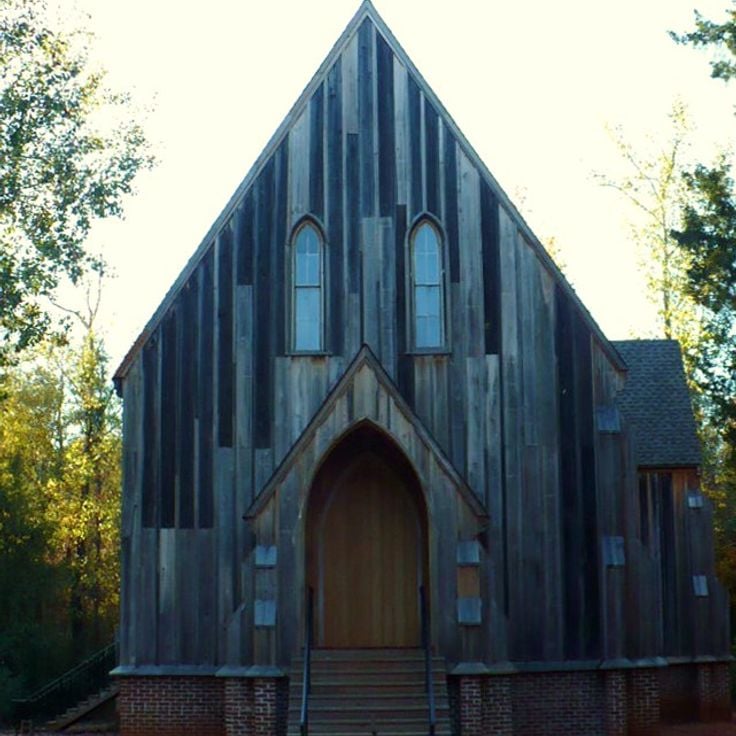
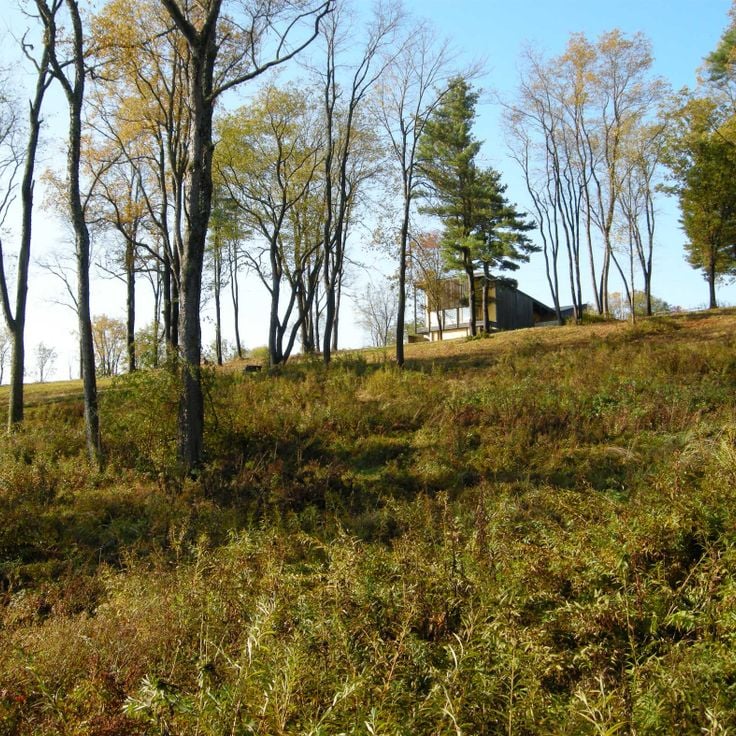
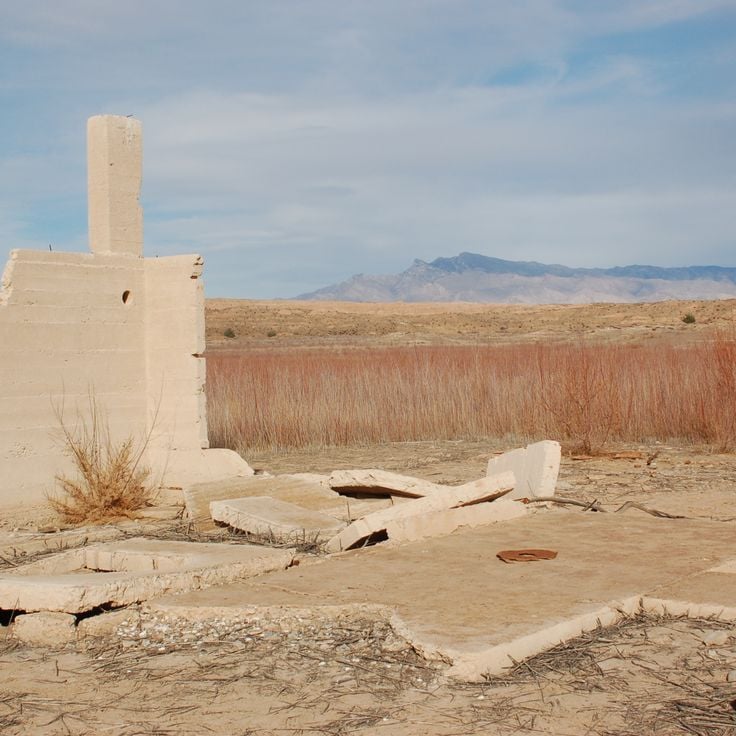
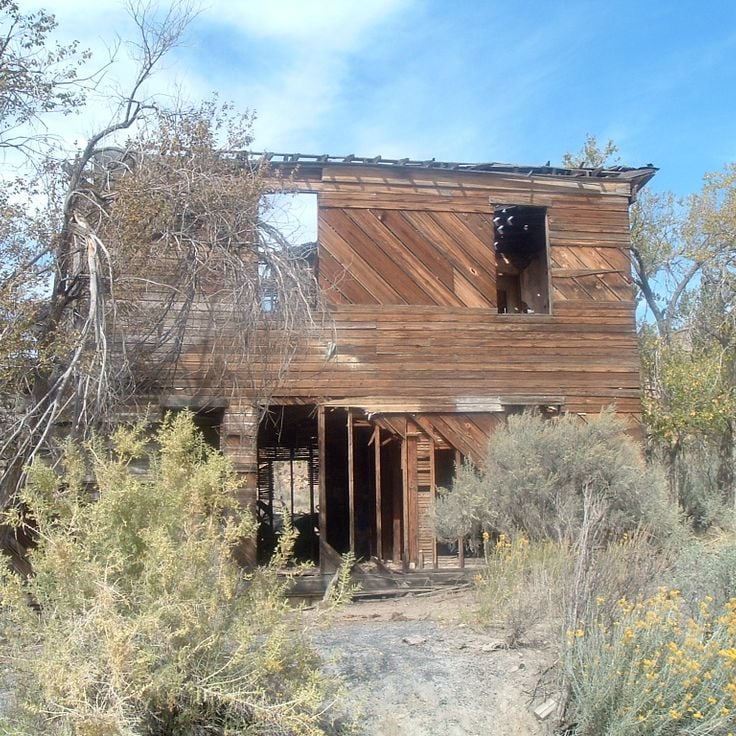
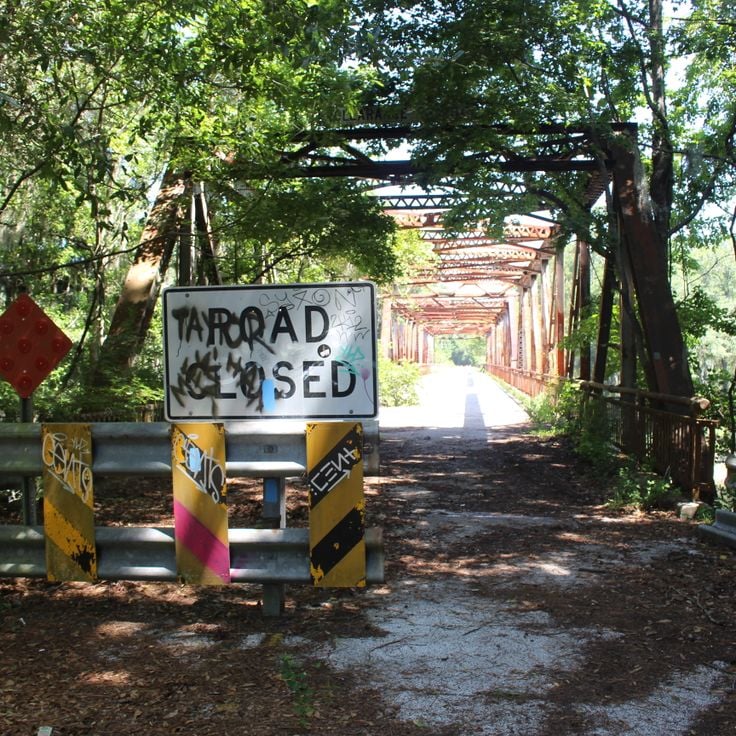
Discover a hundred places where houses, stations, and banks have been left untouched since the people left.
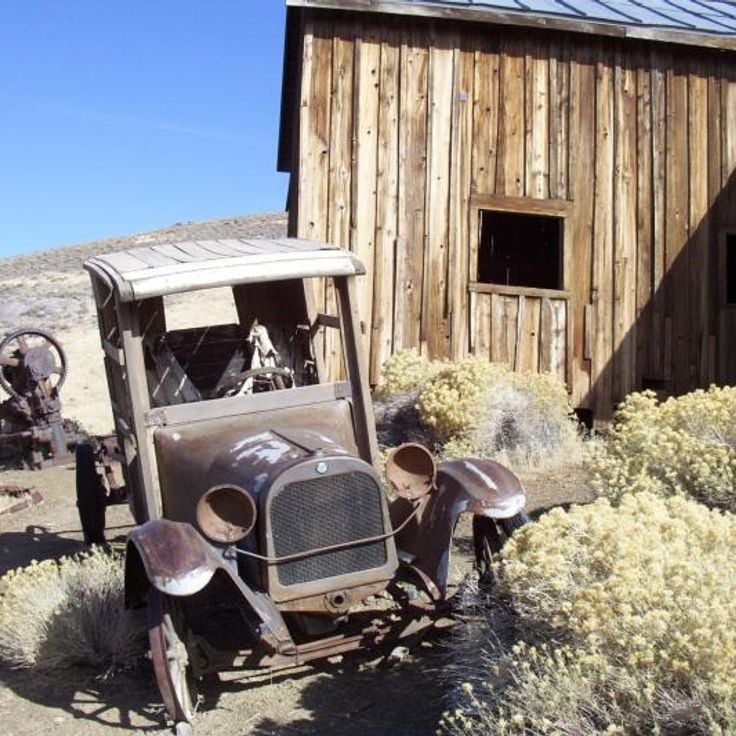
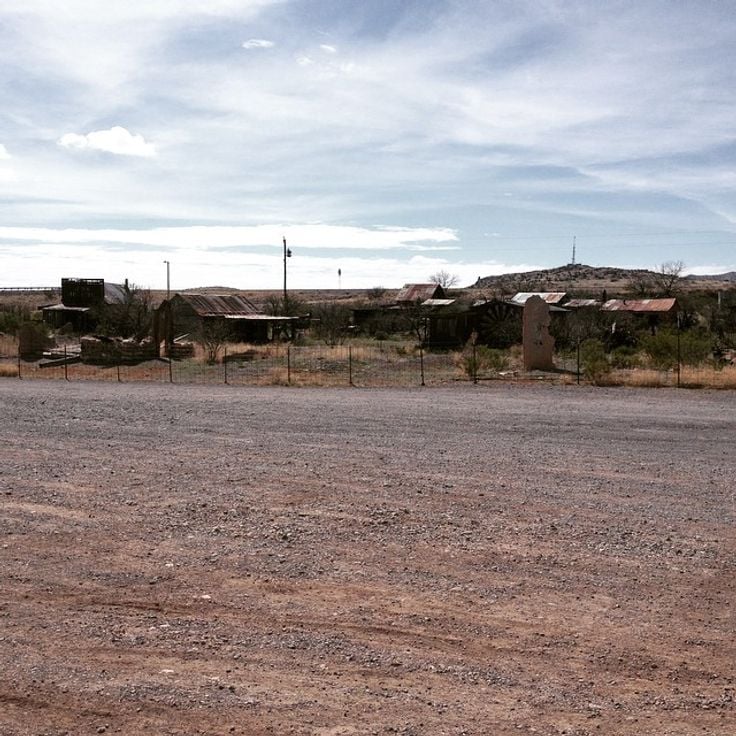
The United States have hundreds of abandoned towns. This selection includes 100 of these places where time seems to stand still. Most grew rich in the 19th century through gold or silver finds. They attracted miners, traders, and whole families. When the veins were empty, people left. They left behind wooden houses, empty saloons, and forgotten cemeteries.
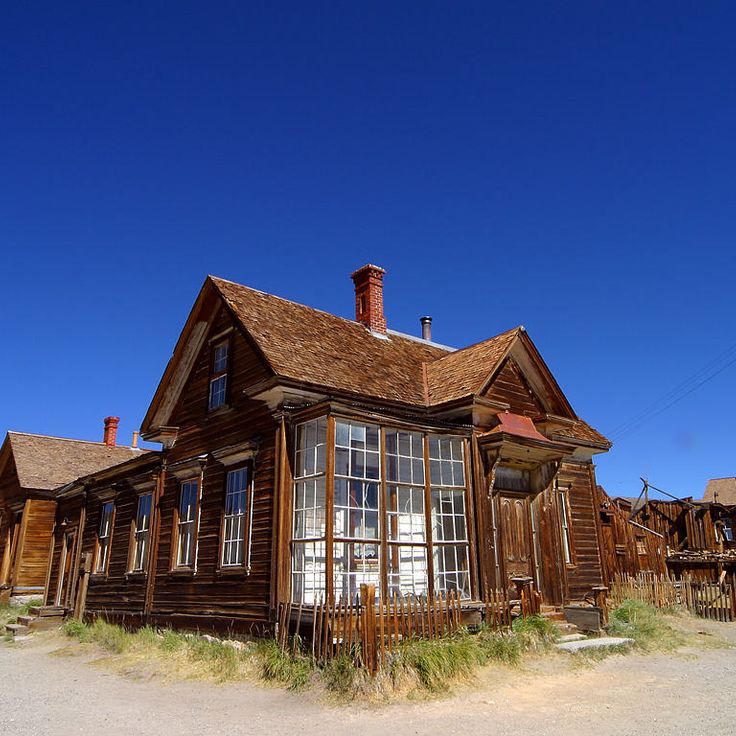
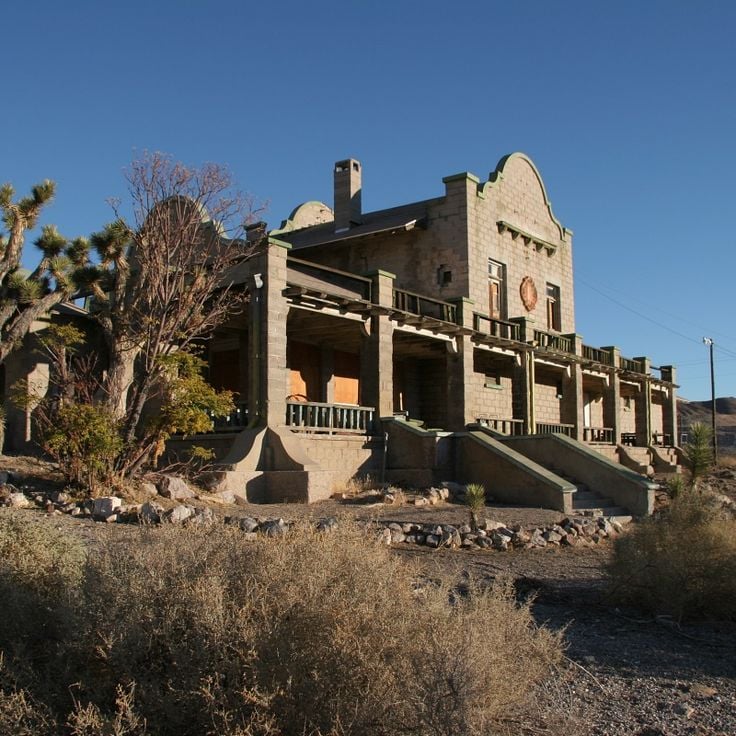
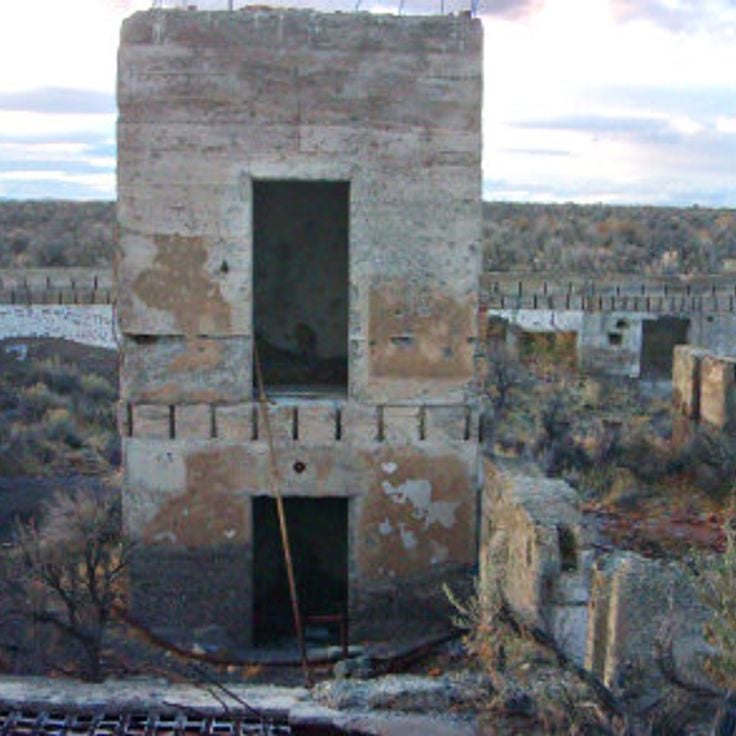
Bodie, in California, keeps many buildings in their original condition. They look frozen in time, as if the last residents just left. Rhyolite, in the Nevada desert, shows the ruins of a large bank and a train station now covered in sand. Virginia City has some buildings that have been fixed up for visitors to see how people once lived there. Other places like Belmont or Metropolis are alone in desert-like lands and can only be reached by dusty roads.
Each town tells a different story about the growth of America. These are stories about hopes, quick riches, and towns being left behind. Some are easy to visit, others need patience and a good vehicle. All show a time when the West was full of promises of wealth and fresh starts, before reality caught up with the pioneers.
Discover a hundred places where houses, stations, and banks have been left untouched since the people left.
The United States have hundreds of abandoned towns. This selection includes 100 of these places where time seems to stand still. Most grew rich in the 19th century through gold or silver finds. They attracted miners, traders, and whole families. When the veins were empty, people left. They left behind wooden houses, empty saloons, and forgotten cemeteries.
Bodie, in California, keeps many buildings in their original condition. They look frozen in time, as if the last residents just left. Rhyolite, in the Nevada desert, shows the ruins of a large bank and a train station now covered in sand. Virginia City has some buildings that have been fixed up for visitors to see how people once lived there. Other places like Belmont or Metropolis are alone in desert-like lands and can only be reached by dusty roads.
Each town tells a different story about the growth of America. These are stories about hopes, quick riches, and towns being left behind. Some are easy to visit, others need patience and a good vehicle. All show a time when the West was full of promises of wealth and fresh starts, before reality caught up with the pioneers.
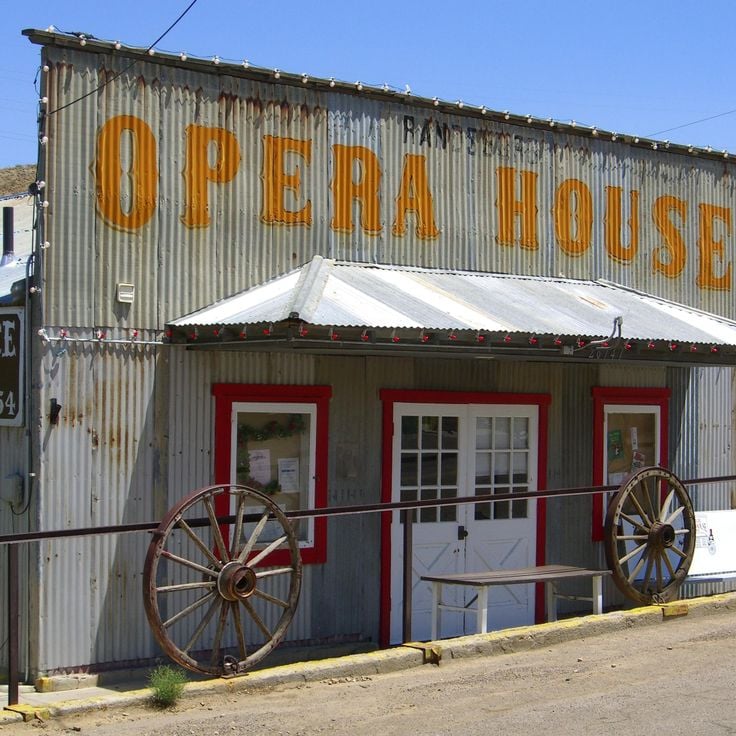
Calico is a ghost town in San Bernardino County, California, that came to life during the silver rush of the 19th century. This collection recognizes such abandoned places across the United States that tell of their former prosperity as mining settlements. Calico preserves wooden buildings, old saloons, and mining operations from that era. The town attracts visitors interested in learning about the history of the American West.
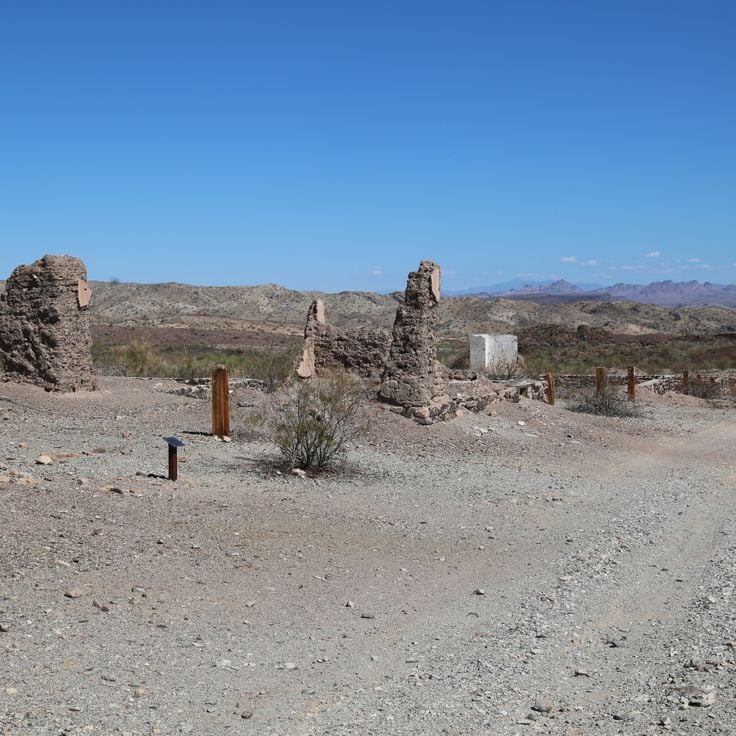
Rhyolite sits in the Nevada desert, in Nye County, and is one of the most visited ghost towns in the American West. The town grew fast in the early 1900s after gold was discovered nearby. Today, the ruins of a former bank and an old train station still stand, slowly being swallowed by sand. Rhyolite shows, in a direct way, how quickly a town could rise and then disappear.
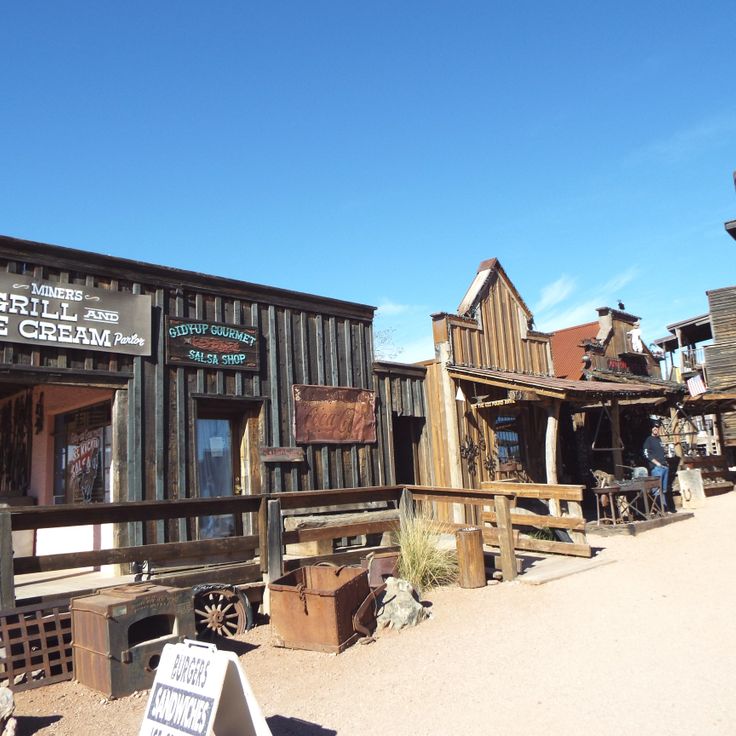
Goldfield is a ghost town near Youngberg, Arizona. It grew quickly during the 19th-century gold rush, drawing miners, merchants, and families hoping to find their fortune. When the mines ran dry, people left, leaving behind wooden buildings, old saloons, and mining ruins. Today, visitors can walk through the abandoned streets and get a direct sense of what daily life looked like during those short but intense years of the American West.
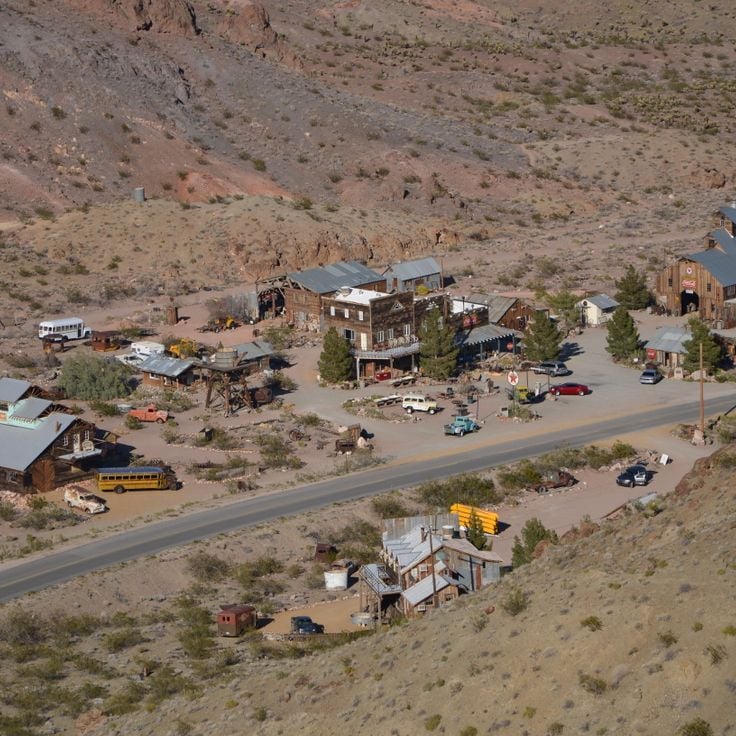
Nelson is a former mining settlement in Clark County, Nevada, part of a collection of notable ghost towns across the United States. The town grew during gold rushes and later became known for its mining operations. Today Nelson shows traces of its past with old wooden buildings and abandoned structures that tell the story of the American West. The site attracts visitors who want to learn about the region's history and its mining heritage.
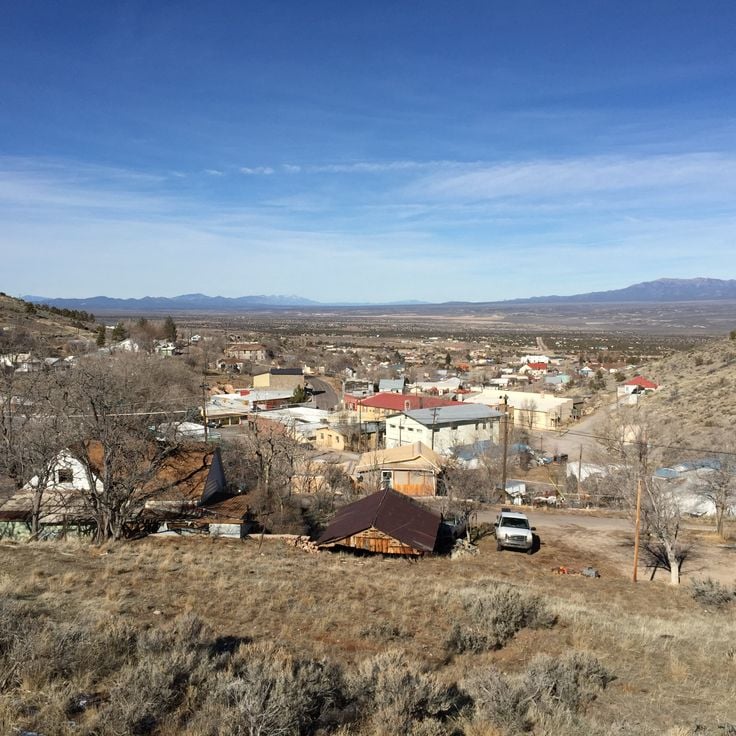
Belmont is an abandoned town in Nevada and represents one of the notable ghost towns featured in this collection of American towns left behind. The town grew during Nevada's silver mining boom in the 1800s and gradually emptied as mining declined. Today, visitors can see original wooden buildings, historic structures, and remnants of a former mining community that reveal what life was like during the western mining era.
This ghost town in Nye County, Nevada preserves the remains of an early 20th century mining community. The location was abandoned as mining operations declined, leaving behind wooden structures, mine equipment, and cemeteries. The Berlin Historic District shows how people lived during the region's mining boom and offers perspective on western development during this era.
Metropolis is a ghost town in Elko County, Nevada, featured in this collection of abandoned American settlements. The town developed during the early 20th-century mining boom. Today, visitors encounter abandoned buildings and remnants of an era when extraction activities drove the local economy. Metropolis demonstrates how communities built on resource extraction can be quickly abandoned when opportunities move elsewhere.
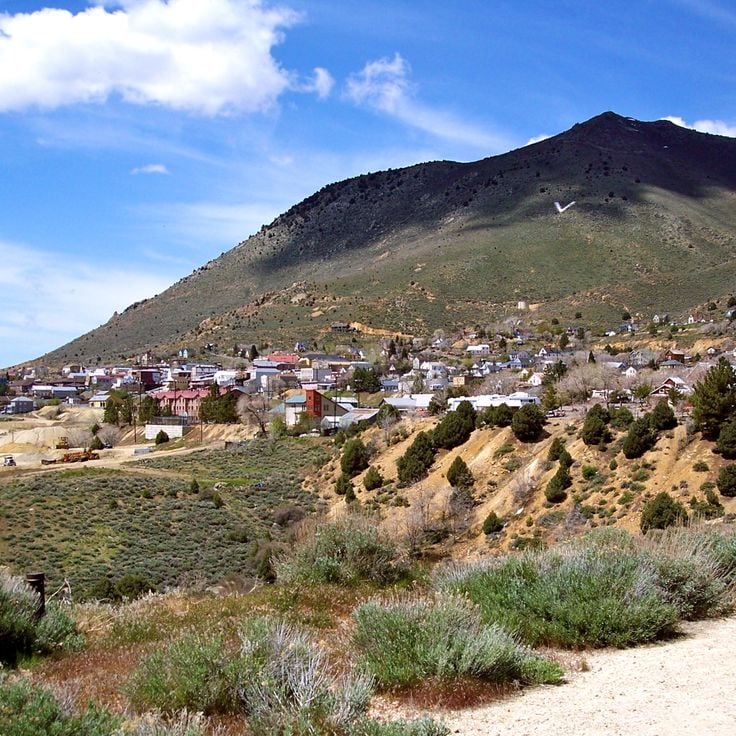
Virginia City is a former mining district in Nevada that flourished during the silver boom of the 19th century and was gradually abandoned afterward. The place retains buildings from its past, including wooden structures, old saloons, and abandoned mines. It represents the kind of location featured in this collection - once prosperous communities that declined due to economic shifts. Today, visitors can see the structures and remnants that tell the story of when this region was an active center of commerce and industry in the American West.
Pioche is a mining settlement in Lincoln County, Nevada, that represents the story of abandoned towns across the American West. Born from mining activity, this place still holds buildings and structures from its prosperous past. Visitors come here to walk through history and see how communities once thrived in remote parts of Nevada before being left behind.
Chloride City is a abandoned settlement in Inyo County, California. The town started during the mining era and was gradually left behind. Today, Chloride City keeps reminders of this time in its preserved buildings and abandoned structures scattered across the desert landscape.
Jerome Junction is an abandoned settlement in Arizona and part of this collection of notable ghost towns across the United States. The town developed during the mining era, when people came here seeking opportunity. Today, the remains of wooden buildings and old structures recall the time when the community was active. Jerome Junction demonstrates how quickly a thriving settlement can fade away.
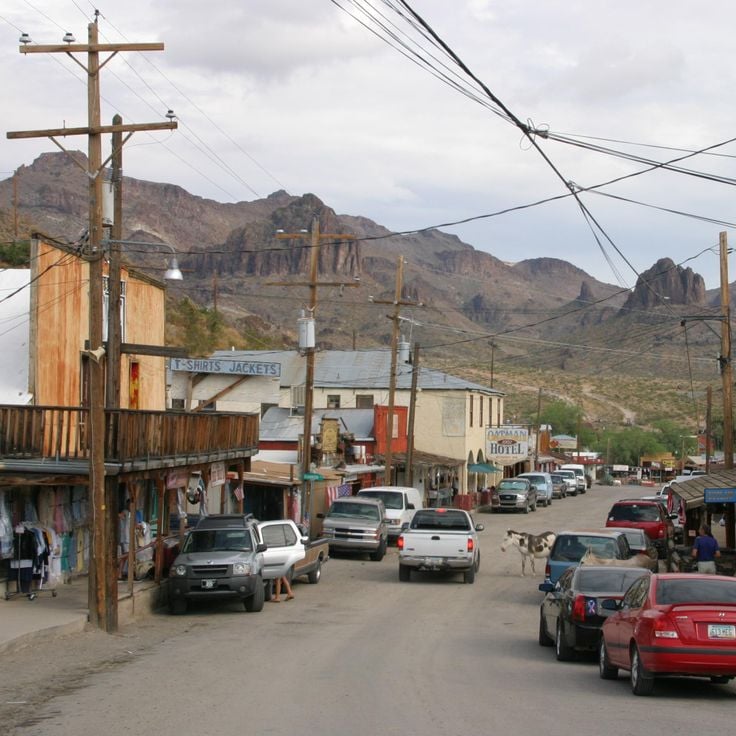
Oatman is a former mining settlement in the Black Mountains of Arizona. This place belongs to a collection of notable ghost towns across the United States, which emerged during gold rushes and mining operations and were gradually abandoned. The settlement preserves wooden buildings, old saloons, and abandoned mines that tell the story of the American West.
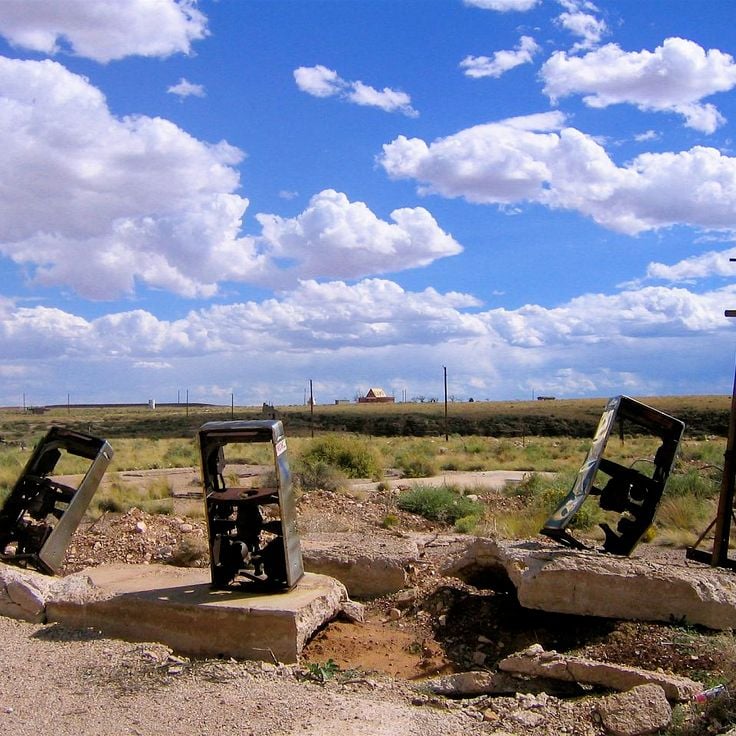
Two Guns is an abandoned settlement in Coconino County, Arizona and is part of this collection of notable ghost towns across the United States. The site began in the 1880s as a trading post and railroad station. Today, the ruins of Two Guns show what life was like in this remote area when the settlement was active. Visitors can explore old building ruins and historical traces that tell the story of daily life for former residents.
Santa Cruz County, Arizona, United States of America
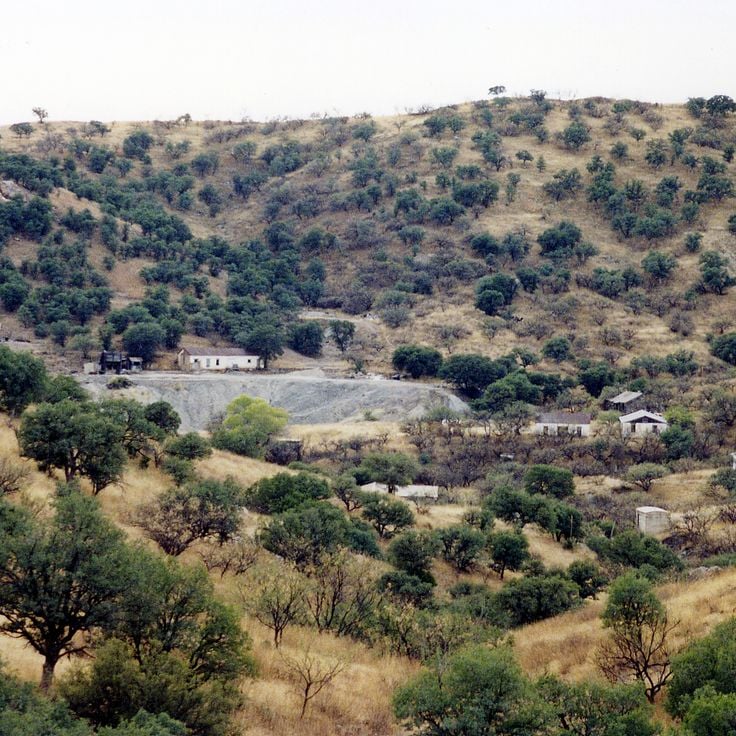
Ruby is a ghost town in Santa Cruz County, Arizona, included in this collection of remarkable abandoned settlements across the United States. The town grew from mining activities in the region and was gradually deserted over time. Today, visitors can explore the remains of its past, including old structures and artifacts left behind by former residents.
Gleeson is an abandoned town in Cochise County, Arizona, included in this collection of notable ghost towns across the United States. The town emerged during the mining booms of the 19th century and was gradually left behind as mining activity declined. Today, visitors can find the remains of wooden structures and other traces of frontier life preserved in the desert landscape.
Courtland is a ghost town in Cochise County, Arizona, that fits within this collection of notable abandoned towns across the United States. The town emerged from mining activity and was eventually deserted. Courtland preserves remnants of its past, including old structures and mining remains. Visitors can explore the history of the American West and see how time has shaped this forsaken place.
Pearce, Arizona is an abandoned settlement in Cochise County that represents one of the notable ghost towns in this collection across the United States. This town emerged from mining activities and was gradually left behind. Today, visitors can see old buildings and remnants from the town's past.
Vulture City is an abandoned settlement in Arizona that preserves traces of a mining community from the past. Like other notable ghost towns in this collection, Vulture City retains the remains of gold rush and mining activity era. The structure of this town still shows wooden buildings and old structures that tell of its former importance.
Swansea is a mining town in the Arizona desert presented in this collection of notable ghost towns across the United States. The town emerged in the 19th century when prospectors discovered copper in the area. Today, visitors find ruins of wooden and stone buildings, abandoned mines, and an old cemetery that show what this once-active settlement in La Paz County was like.
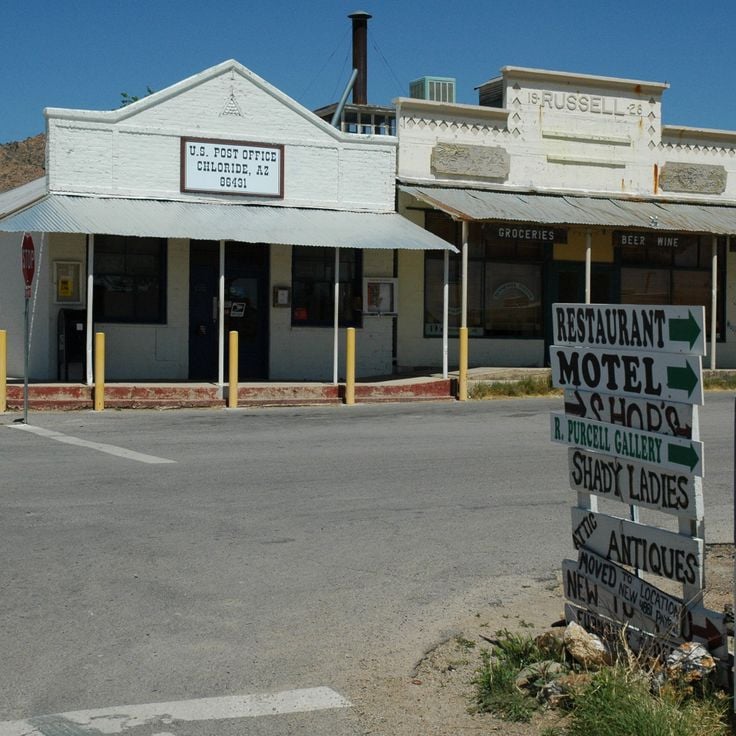
Chloride is a former mining settlement in Mohave County and part of this collection of abandoned American towns. The place grew during the mining boom and still shows traces of that era: old wooden buildings, abandoned mines, and cemeteries. Visitors can explore the history of the American West here and see how settlements like this were gradually left behind after mining declined.
Catron County, New Mexico, United States of America
Mogollon is a historic settlement in the mountains of New Mexico that grew during the mining era. As part of this collection of notable ghost towns across the United States, it shows how these places came into being and were later left behind. The settlement preserves old wooden buildings that reflect the daily life of former residents. Visitors can discover traces of the past here and learn how life in the West once unfolded.
Hidalgo County, New Mexico, United States of America
Shakespeare is an abandoned town in Hidalgo County, New Mexico. It developed in the 1870s as a silver mining settlement and once served as a busy hub for miners and merchants. Today, old wooden buildings, a former saloon, and other structures from that era still stand. Visitors can walk through the site to experience how people lived and worked in a mining community during the American West period.
Steins is a ghost town in Hidalgo County, New Mexico, part of this collection of notable abandoned towns across the United States. The town developed as a stop along a historic trade route and later drew people searching for minerals. Today, visitors find old wooden and stone buildings that tell the story of life in this remote frontier area.
Chloride is an abandoned settlement in Sierra County, New Mexico, and is part of this collection of notable ghost towns across the United States. This location tells the story of the American West, shaped by mining and the hopes of those who once lived here. Today, old wooden buildings and ruins remain, offering a glimpse into a time when people made their lives in this remote place.
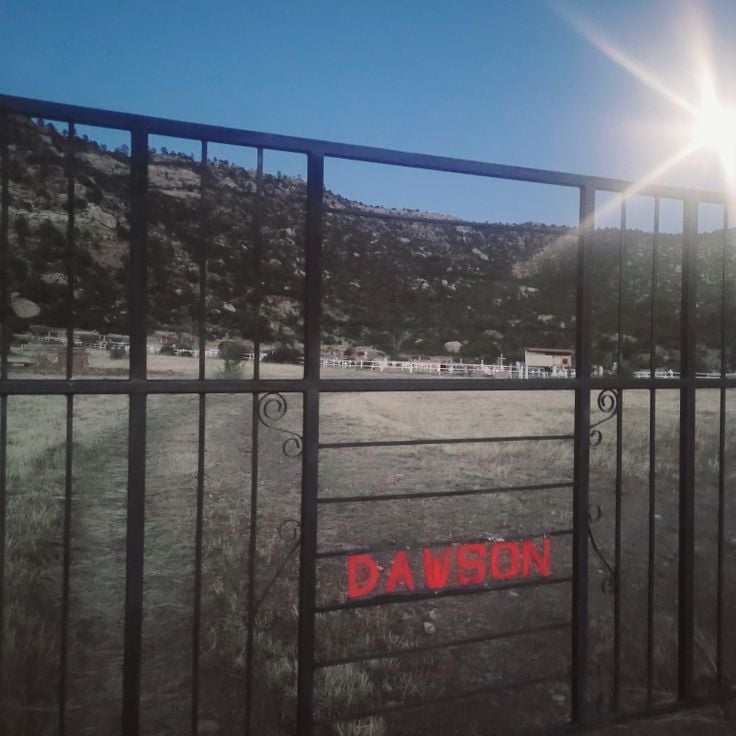
Dawson is a ghost town in Colfax County, New Mexico, part of this collection of notable ghost towns across the United States. The town emerged from coal mining and once thrived as a hub for miners. Today, visitors find remains of wooden buildings, old structures, and a cemetery that tells the story of the place.
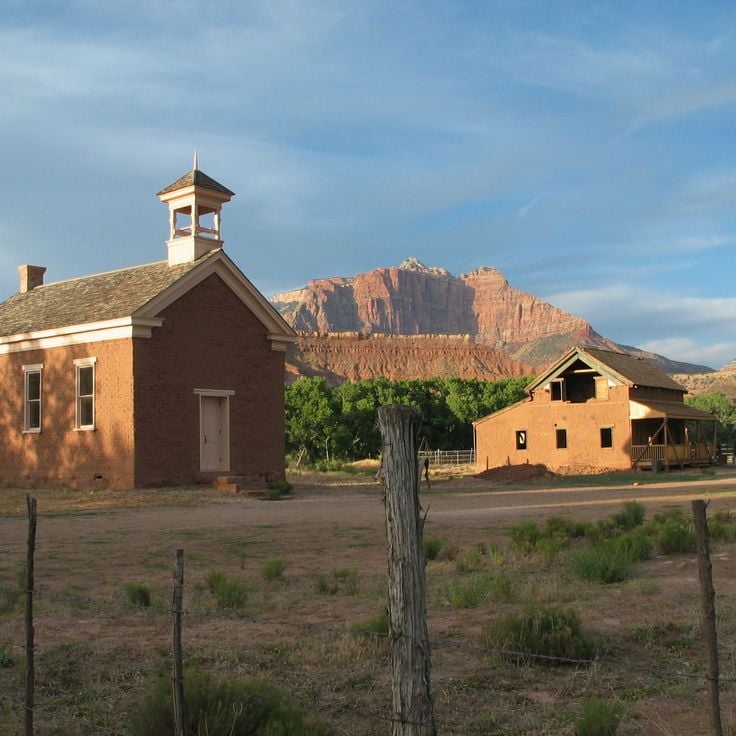
Grafton demonstrates how settlements in the American West rose and fell. This ghost town in Washington County, Utah, was once a thriving community with farms and homes. Settlers abandoned the place after repeated floods from the Virgin River. Today, several wooden buildings and ruins still stand, telling the story of pioneer life. Visitors can walk through the quiet town and imagine what life was like here long ago.
Cisco is a ghost town in Grand County, Utah, and represents one of the notable abandoned settlements featured in this collection of American ghost towns. The town emerged during the mining era and later served as a railroad stop. Today, wooden and stone buildings stand empty, showing traces of the activity that once filled the streets. Visitors can explore the remains of this former settlement and learn about the history of the American West.
Spanish Fork Canyon, Utah County, United States of America
Thistle was a thriving settlement in Spanish Fork Canyon in Utah County. The town grew in the late 1800s as a major railroad station. In 1983, a landslide flooded Thistle and residents abandoned the area. Today, empty buildings and ruins tell the story of this ghost town, part of a collection of notable American ghost towns born from mining booms and economic shifts.
Silver Reef is a ghost town in Washington County, Utah that emerged during the 1800s from silver mining operations and was subsequently abandoned. This site in the collection of notable American ghost towns preserves the remnants of an era when mining brought settlers to the desert. Visitors today encounter old structures, mining equipment, and traces of former residents that tell the story of Western expansion and the boom-and-bust cycles that shaped the region.
Frisco is an abandoned mining town in Beaver County, Utah, featured in this collection of notable ghost towns across the United States. The town emerged during the silver rush of the 19th century and was gradually deserted as mining operations declined. Today, visitors can explore the remains of buildings, old structures, and learn about the mining history of the region.
Ophir is a former mining settlement in Placer County, California, part of this collection of abandoned American towns that emerged from gold rushes and resource exploitation. The town grew during the height of gold prospecting and was gradually left behind as the mines became less productive. Today, wooden structures and remnants of mining operations remain as traces of its past.
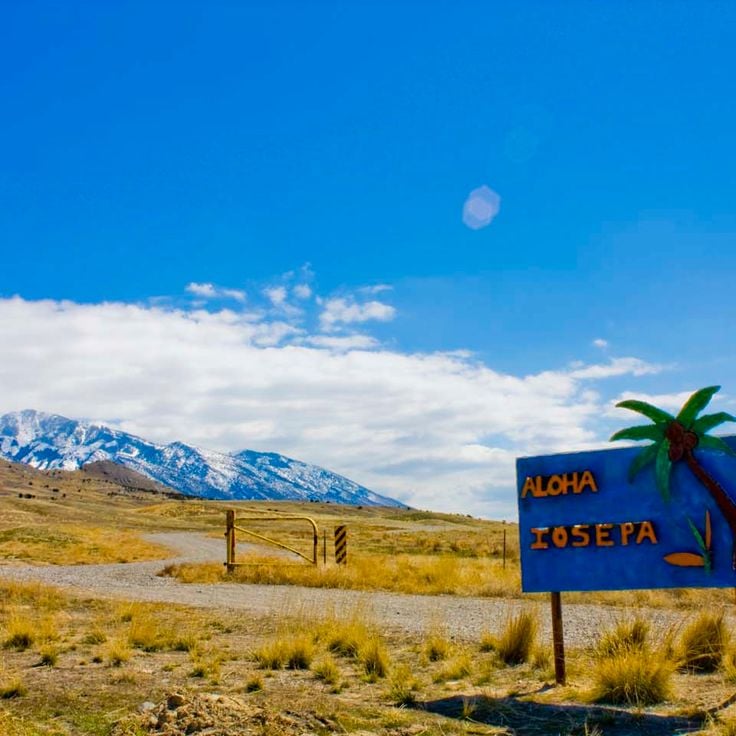
Iosepa is a ghost town located in Tooele County, Utah. Founded in the late 1800s, this settlement was gradually abandoned over time. Today, sparse structures remain from its period of habitation, offering visitors a window into how communities took root and eventually faded in the American West. Iosepa represents one of many locations that once held promise but was eventually left behind.
Chaffee County, Colorado, United States of America
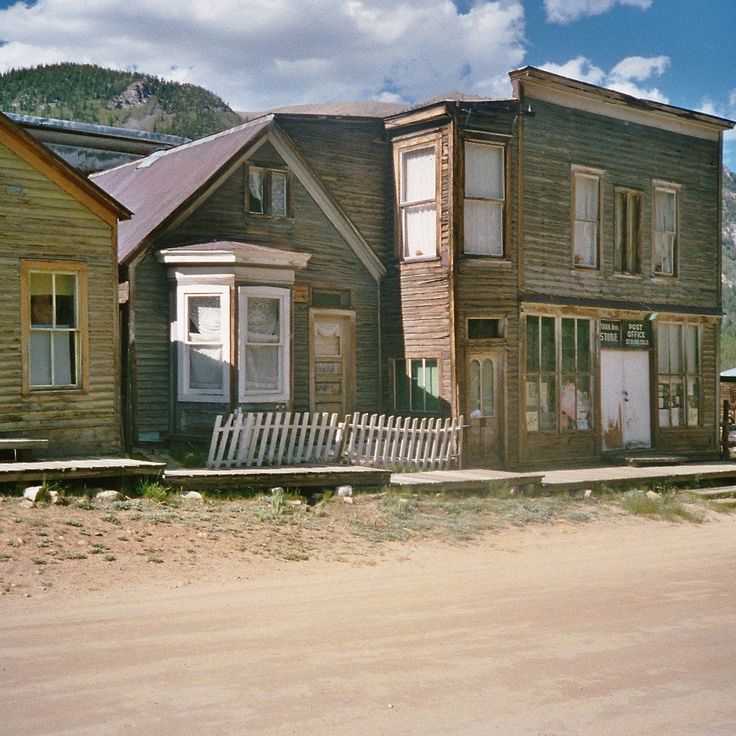
St. Elmo is a former mining town in Chaffee County, Colorado, part of this collection of notable abandoned settlements across the United States. Founded during the silver mining boom of the 19th century, the town reveals the daily lives of miners and families through its wooden buildings and structures. St. Elmo preserves the history of the American West and attracts visitors interested in learning how people lived in remote mining communities during the prosperous years before these towns were left behind.
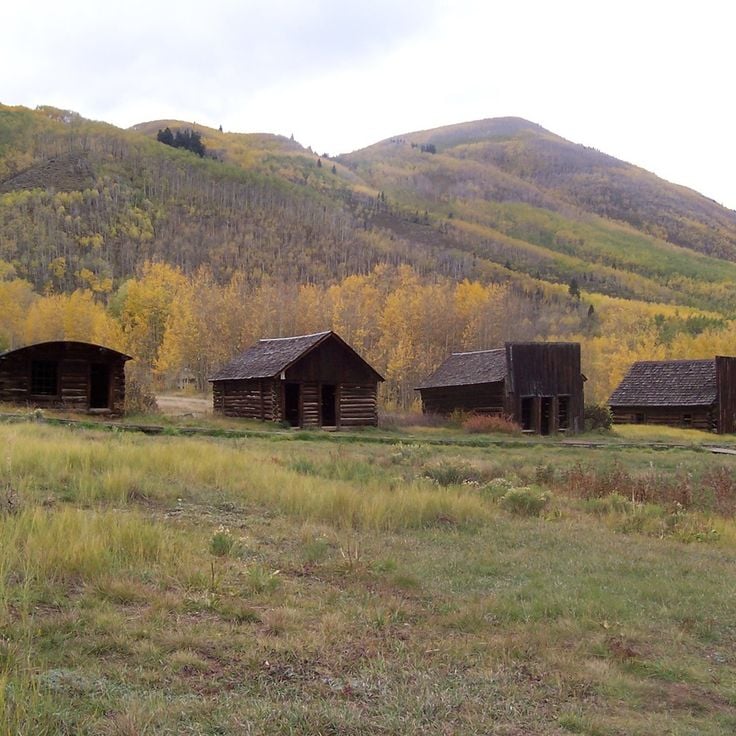
Ashcroft is a historic ghost town in Colorado and part of this collection of notable abandoned places across the United States. The town emerged during the silver mining era and was later abandoned. Today, visitors can walk through the remains and see wooden structures that tell the story of the mining days.
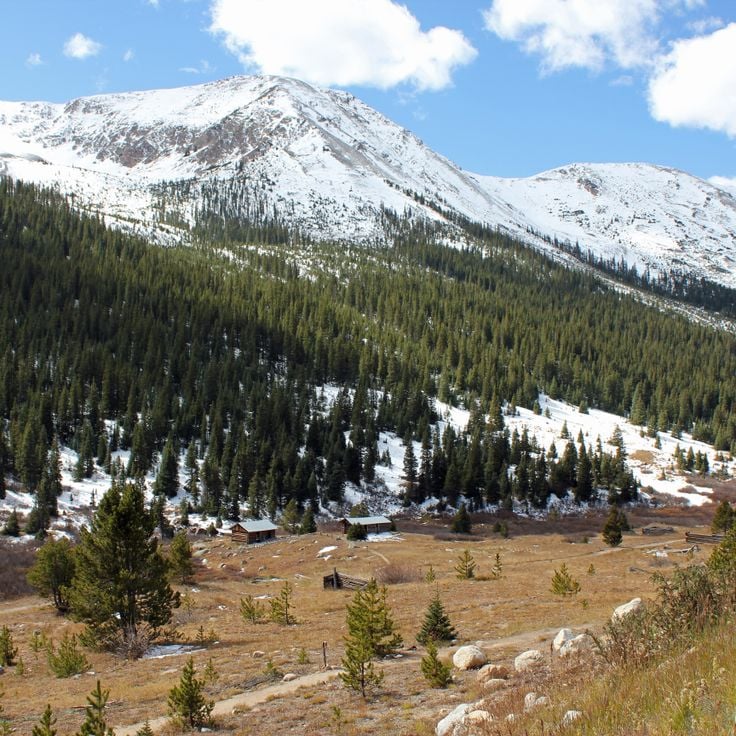
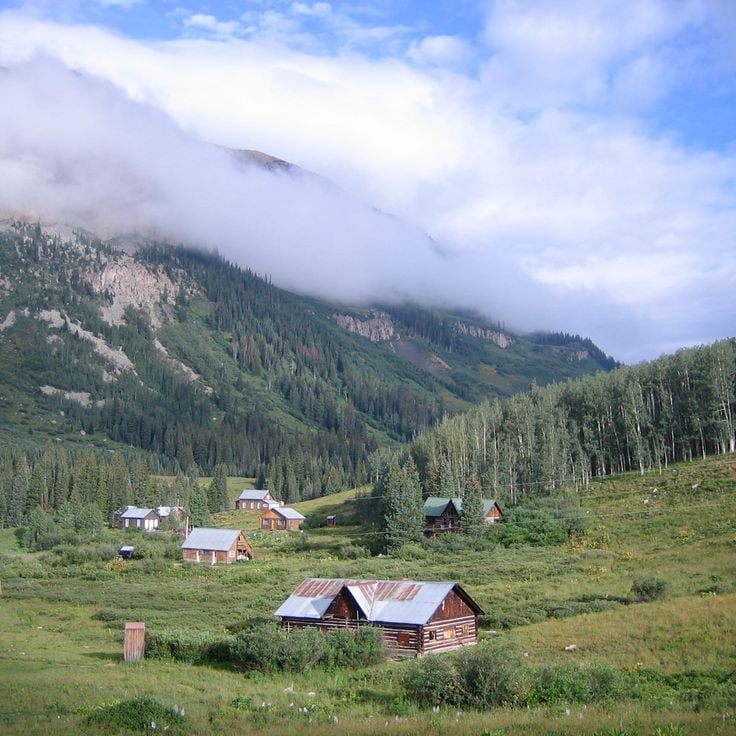
Independence is a ghost town in the mountains of Colorado that reveals the hopes and disappointments of the gold rush era. This abandoned settlement in Pitkin County shows how quickly settlements appeared and disappeared when resources ran out. The town is part of a collection of one hundred notable ghost towns across the United States, each telling stories of former mining boom towns. Today, wooden buildings and old structures still stand here, reminding visitors of the people who once lived and worked in this place.
Animas Forks was a mining settlement in San Juan County, Colorado. The place grew from the search for silver and prospered through the extraction of precious metals. Today Animas Forks stands as part of this collection of abandoned American towns, showing how mining shaped the landscape and lives in the West.
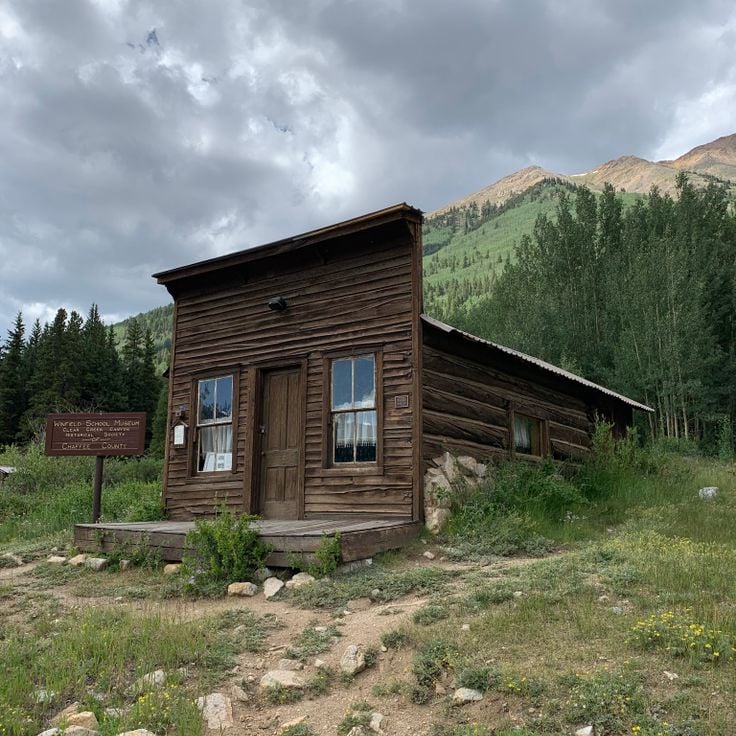
Winfield is an abandoned mining settlement in Colorado and part of this collection of one hundred notable ghost towns across the United States. This town emerged during the gold rush era and was gradually left behind. Today it contains old wooden buildings and remnants of former mining operations standing in the rugged mountain terrain. Visitors can explore the history of the American West through the silent ruins that remain.
Gothic is an abandoned settlement in Colorado, part of this collection of notable ghost towns across the United States. The town grew during the mining era and was later deserted. Today, visitors can see the remains of wooden buildings and other structures from that period, which tell the story of American West history.
Hinsdale County, Colorado, United States of America
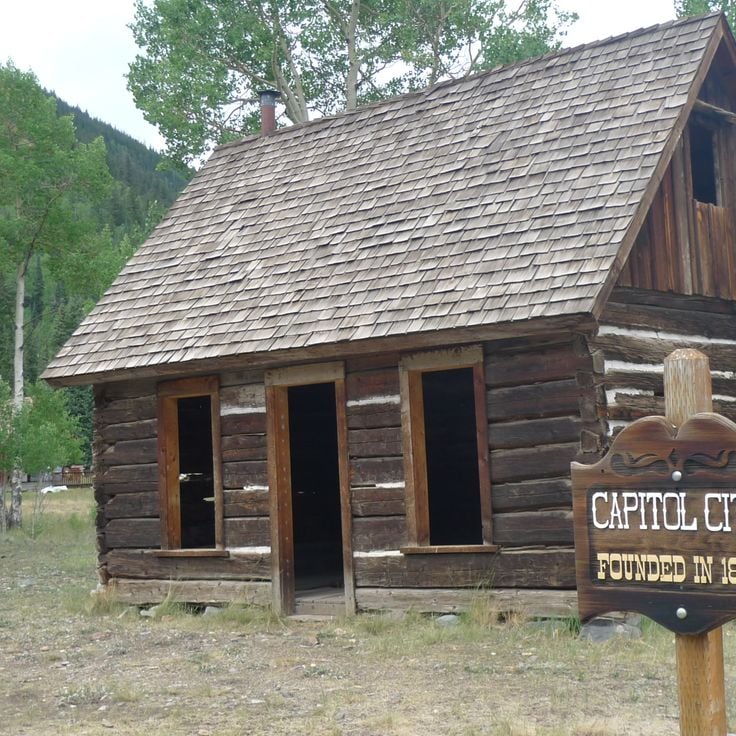
Capitol City is an abandoned town in Hinsdale County, Colorado, born from the silver mining boom of the 19th century. Located high in the Rocky Mountains, this former settlement reflects the lives of prospectors and miners who sought fortune beneath the peaks. The remaining structures show how communities adapted to harsh mountain conditions, with log cabins, mine workings, and faded buildings scattered across the landscape. Like many ghost towns in this collection, Capitol City preserves a chapter of the American West's resource-driven history.
Dearfield is an abandoned settlement in Colorado that contributes to the story of ghost towns across the American West. This human settlement bears witness to a time of intense economic activity, when gold rushes and mining drew people to the area. The ruins of Dearfield show the structure of former community life, with remains of buildings and infrastructure from that era.
Ludlow is a ghost town in Las Animas County, Colorado. It was founded in the late 1800s when coal mining brought workers and their families to the area. As the mining industry declined, the town was gradually abandoned. Today, the remains of Ludlow show what life was like for miners and their families during that period in Colorado's industrial history.
Tincup is a deserted settlement in the mountains of Colorado that developed around gold and silver mining in the 19th century. Like other locations in this collection, Tincup was gradually abandoned when the mines became less profitable. Today, old wooden buildings and structures remain, marking where miners and prospectors once lived and worked.
Bonanza is a ghost town in Saguache County, Colorado, that once thrived during the mining era. The town developed as prospectors sought precious metals in the surrounding mountains. Today, Bonanza stands as a place where visitors can see remnants of wooden structures and abandoned buildings from its past. This location is part of a collection of one hundred ghost towns across the United States, each offering insight into how settlements rose and fell with the fortunes of mining.
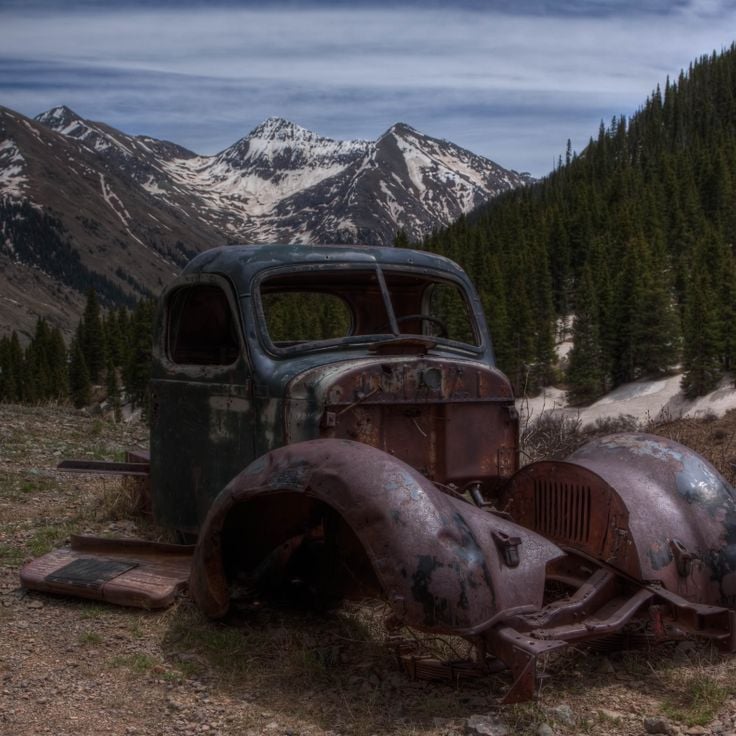
Alta is an abandoned settlement in the San Juan Mountains of Colorado. The place developed during the mining activities of the 19th century and was later left behind. Today Alta shows the traces of that time: old wooden buildings and the remains of mining operations lie among the mountain forest and rocks. The place tells the story of America's western past and draws visitors who want to explore history.
Ironton appears in this collection of notable ghost towns across the United States. The town sits in Ouray County, Colorado, and represents one of the places that gradually emptied after its mining boom ended. Like others in this collection, Ironton holds remnants of its past: wooden structures and mining-era buildings mark the site today.
Carson is an abandoned town in the United States, part of this collection of one hundred notable ghost towns. Like many others in this selection, Carson emerged during the height of mining activity and was gradually left behind as economic prospects faded. The town preserves traces of its past: old wooden buildings, decaying structures, and silent cemeteries that speak to a time when life and activity filled this place. Visitors seeking to explore the history of the American West can find in Carson evidence of this eventful era.
South Pass City is an unincorporated community in Fremont County, Wyoming. It emerged during a gold rush in the 1800s and became a busy mining center for a brief period. Today, old wooden buildings and abandoned structures from that era still stand there. The town shows how quickly such places were left behind once gold mining ended and represents a piece of American West history.
Atlantic City is a mining settlement in Fremont County and part of this collection of ghost towns across the United States. The town developed during the mining boom and was gradually abandoned over time. Today, visitors can see the remains of this period: wooden buildings, abandoned mines, and cemeteries that tell the story of America's western past.
Miner's Delight is a ghost town in Fremont County, Wyoming, which originated during the gold rush of the 19th century. The settlement was gradually abandoned after mining activity declined. Today, visitors can see wooden buildings and traces of earlier habitation that document the history of the American West. Miner's Delight is part of a collection of notable ghost towns across the United States, places that were once prosperous and now preserve their past.
Kirwin is a ghost town in Park County, Wyoming, included in this collection of 100 notable abandoned places across the United States. The settlement developed during the mining era and was gradually left behind as economic activity declined. Today, the town retains wooden structures and remnants from its past, offering visitors a glimpse into the history of the American West.
Hot Springs County, Wyoming, United States of America
Gebo is an abandoned settlement in Hot Springs County, Wyoming. The settlement once served as a center for mining activity and was eventually deserted. Today, Gebo stands as an example of the many communities in this collection of 100 ghost towns across the United States that tell their history through preserved structures and traces of their former economic purpose.
Beaverhead County, Montana, United States of America
Bannack is a gold mining ghost town in Beaverhead County, Montana, featured in this collection of significant abandoned towns across the United States. Born from the gold rush, this settlement was gradually left behind. Today, Bannack preserves traces of its past: wooden buildings, old saloons, abandoned mines, and quiet cemeteries. The town draws visitors interested in learning about the history of the American West.
Garnet Ghost Town is an abandoned mining settlement in Granite County, Montana. It stands as one of the notable abandoned towns across the United States, born from gold rushes and mining operations. The town preserves wooden buildings, old storefronts, and mines from its active years. Today, visitors can walk through the remains and learn how people once lived and worked in this remote location.
Elkhorn is an abandoned town in Montana that represents one of the notable ghost towns featured in this collection of American ghost towns. This settlement emerged during 19th century mining operations and was subsequently abandoned. Today Elkhorn displays remnants of its past with old wooden buildings and structures from the era of western settlement.
Castle Town is an abandoned settlement in Meagher County, Montana. The site emerged during the gold rush era of the late 1800s, founded by prospectors seeking gold. Today Castle Town displays the typical features of that period: deteriorating wooden buildings and empty structures that reflect its past. The ruins sit in the rugged terrain of the Rocky Mountains and draw visitors interested in learning about the history of the American West.
Comet is a ghost town in Montana that shows how mining communities in the western United States were left behind. The town arose during the mining era and was later abandoned. Today visitors find old wooden buildings and traces of former life that tell the story of this region's past.
Garnet Ghost Town is an abandoned mining settlement in Granite County, Montana. This town thrived during the gold and silver rush of the late 1800s, serving as a hub for miners and their families. Visitors can walk through its wooden structures, including old stores and residences that remain from its prosperous era. Today, Garnet Ghost Town offers a glimpse into the daily life and industrial past of the American West.
Burke is a former mining town in Shoshone County, Idaho, included in this collection of notable ghost towns across the United States. The settlement grew during silver mining operations and was eventually abandoned as the industry declined. Today, visitors can see structures that remain from that era, offering a glimpse into the region's mining past.
Bayhorse is an abandoned settlement in Idaho that preserves the history of America's mining era. This community emerged through silver mining development in the 19th century and was later abandoned. Today, visitors find here the material remains of an earlier period: wooden structures, old buildings, and mining relics that speak to the economic hope and subsequent decline of this region.
Custer is an abandoned town in Custer County, Idaho. It is part of a collection of notable ghost towns across the United States, many of which grew prosperous from gold rushes and mining operations. Today, Custer preserves the remains of its past: wooden buildings, old mines, and quiet cemeteries. The town attracts visitors interested in learning about the history of the American West.
Silver City is an abandoned town in Juab County, Utah, part of this collection of notable ghost towns across the United States. The settlement grew during the mining era and was gradually left behind as economic activity declined. Today, visitors find wooden structures and the silent remains of what was once a busy mining settlement, telling the story of the American West.
Gilmore is an abandoned settlement in Lemhi County, Idaho that reflects the mining activities of the late 1800s. As part of this collection of 100 notable ghost towns across the United States, Gilmore shows the traces of an era when mining and resource extraction shaped the region. Today, visitors find remains from this period that tell stories of American West history.
Bonanza is an abandoned settlement in Idaho that represents part of the legacy of America's gold rush era. The history of this town is connected to mining and the search for wealth. Today, Bonanza shows, like many places in this collection, how quickly communities can rise and disappear when the economic reasons for their existence fade away.
Monte Cristo is a ghost town in Washington that shows the remains of a mining settlement from the 1800s. The town grew during the rush for precious metals and became a center for mining operations. Today visitors can see wooden buildings, old mining structures, and relics from the town's active years. Monte Cristo offers a window into how mining communities lived and worked in the American West.
Okanogan County, Washington, United States of America
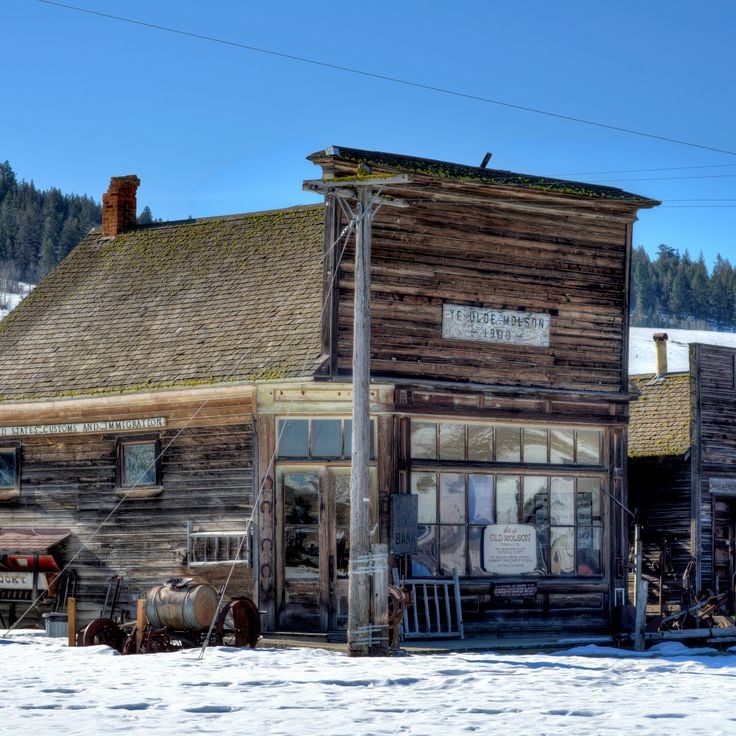
Molson is an abandoned settlement in Okanogan County, Washington, included in this collection of ghost towns across the United States. The town grew from mining and farming activity but was eventually left behind by its residents. Today, visitors can see wooden buildings and other remains that tell the story of life in the American West.
Franklin is a city in King County, Washington State that represents part of this collection of American ghost towns. The city was once an active place but gradually became abandoned over time. Today, Franklin displays traces of its past through old buildings and structures that reflect when the city was thriving. Like many other locations in this collection, Franklin tells the story of the American West through its deserted remains.
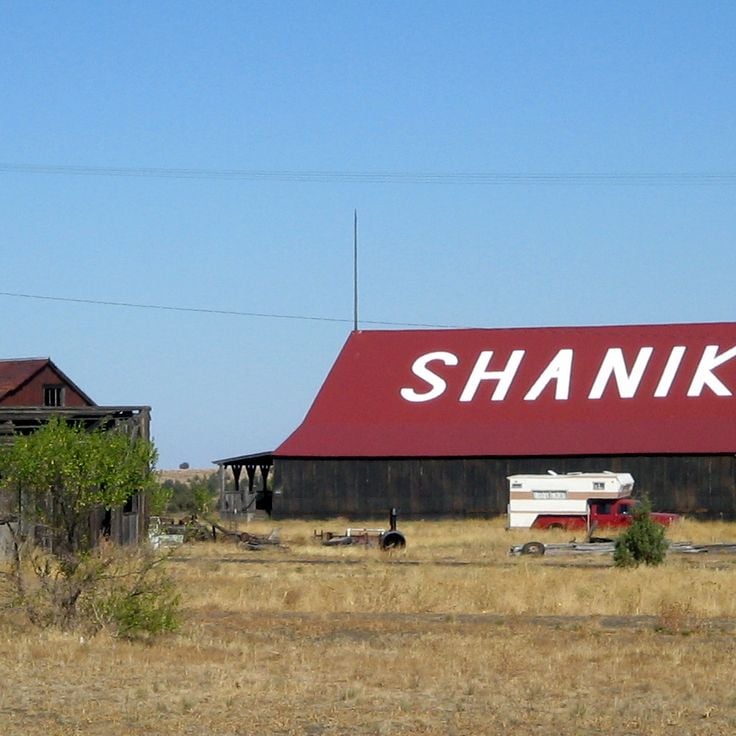
Shaniko is an abandoned city in Oregon and belongs to this collection of notable ghost towns across the United States. This location was once a thriving trading center shaped by railroad development. Today, visitors can explore wooden buildings from the pioneer era and remnants from the past that tell the story of the American West.
Sumpter is an abandoned town in Oregon that once thrived on gold mining. In the late 1800s, thousands came here hoping to make their fortune in the surrounding hills. Today, wooden buildings still line the old main street, and a large gold dredge sits rusting on the edge of town. That dredge is one of the most tangible remains of the era and can be visited up close.
Golden is a ghost town in Oregon and represents one of many abandoned settlements across the United States born from gold rushes and mining activities. This town preserves remnants of its past: wooden structures, defunct mines, and historic cemeteries. Golden shows how communities were gradually left behind when their economic foundation collapsed.
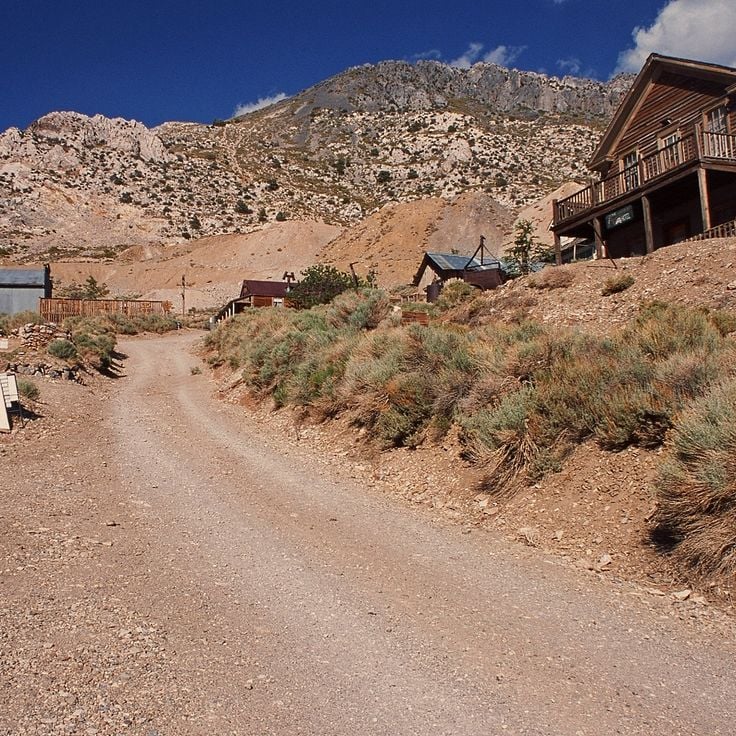
Cerro Gordo is a ghost town in California that represents the fate of many locations featured in this collection. Born from the mining boom of the 19th century, the town thrived when ore was plentiful but declined as resources ran out. Today, Cerro Gordo preserves the physical remains of its prosperous past: wooden structures, abandoned buildings, and the quiet that comes with desertion. The site offers insight into how Western communities rose and fell with the fortunes of the land.
Ballarat is a ghost town in California and part of this collection of notable abandoned settlements across the United States. This town emerged during the gold rush era and was gradually left behind as mining activity declined. Today, Ballarat preserves remains from its past, including structures that offer a glimpse into the history of the American West.
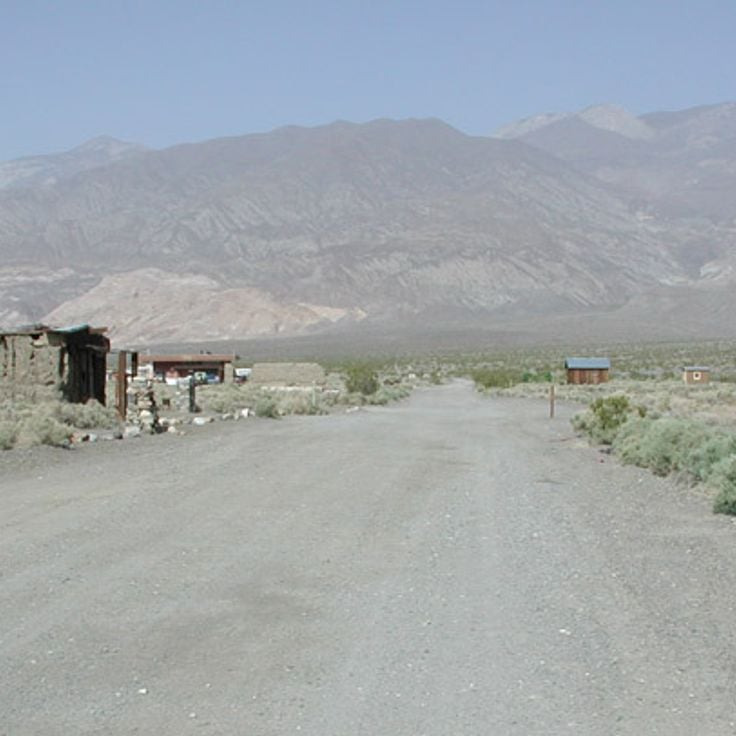
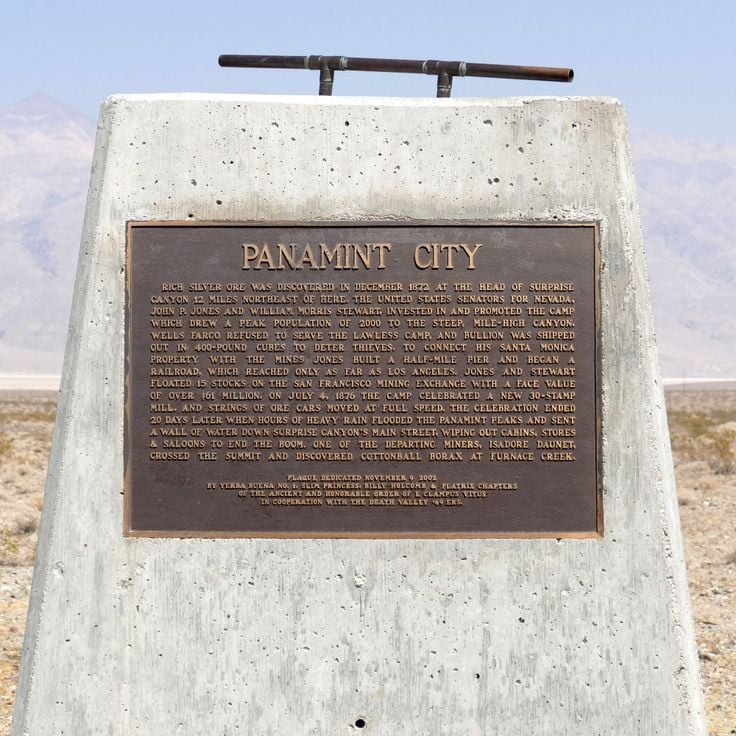
Panamint City is an abandoned town in Inyo County, California, part of this collection of notable ghost towns across the United States. This settlement arose during the silver rush of the 19th century and was later abandoned. Today, visitors find ruins of wooden structures, old mining operations, and traces of life from that era.
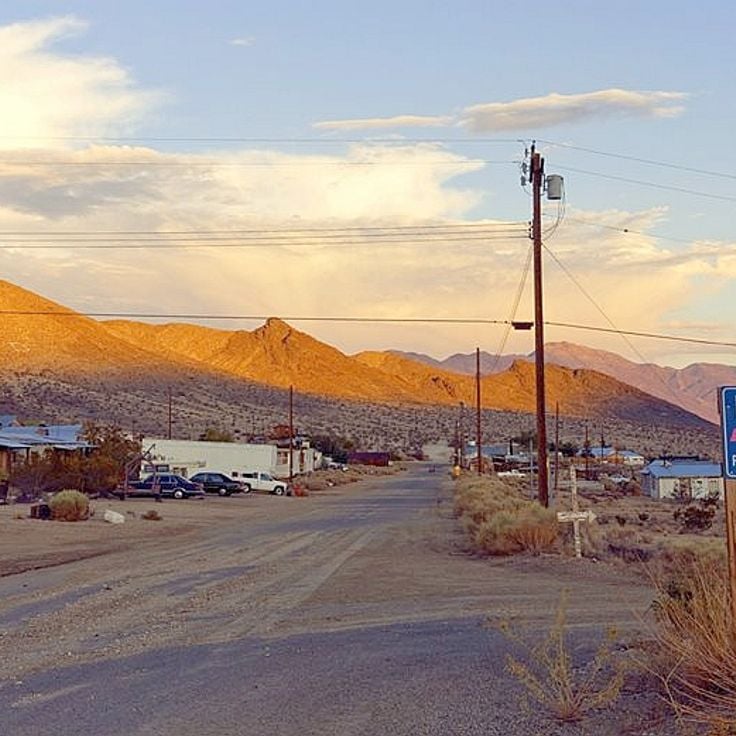
Darwin is a mining town that was abandoned and now stands as part of the collection of ghost towns across the United States. The town developed during the mining booms of the 19th century and shows the typical features of a deserted settlement from that era. Visitors can find old wooden buildings and remains of mines that tell the story of the region's industrial past.
Randsburg is a former mining town in Kern County and represents one of these ghost towns that emerged during America's gold rush era. The town developed around precious metal extraction and later became known for silver and tungsten mining. Today visitors can walk among wooden buildings, abandoned stores, and mining remnants that tell the story of westward expansion.
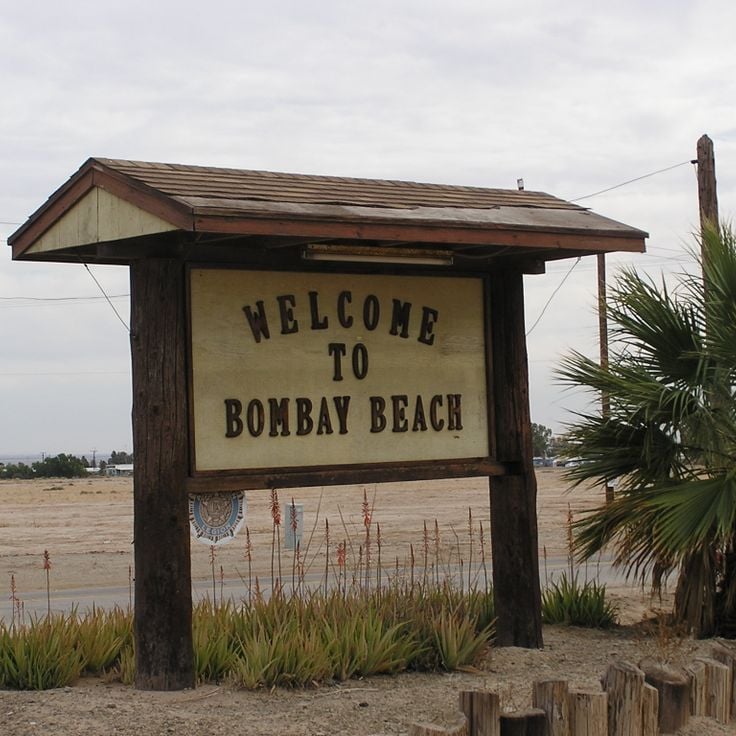
Bombay Beach is an abandoned settlement on the shores of the Salton Sea in California. Founded in the 1950s as a resort town, it has gradually declined and now sits largely empty. Walking through its streets, you encounter boarded-up houses, faded buildings, and scattered remnants of its past as a vacation destination. The town offers insight into how communities built on temporary prosperity can fade quickly. Visitors find themselves in an eerie landscape where nature reclaims what people once built.
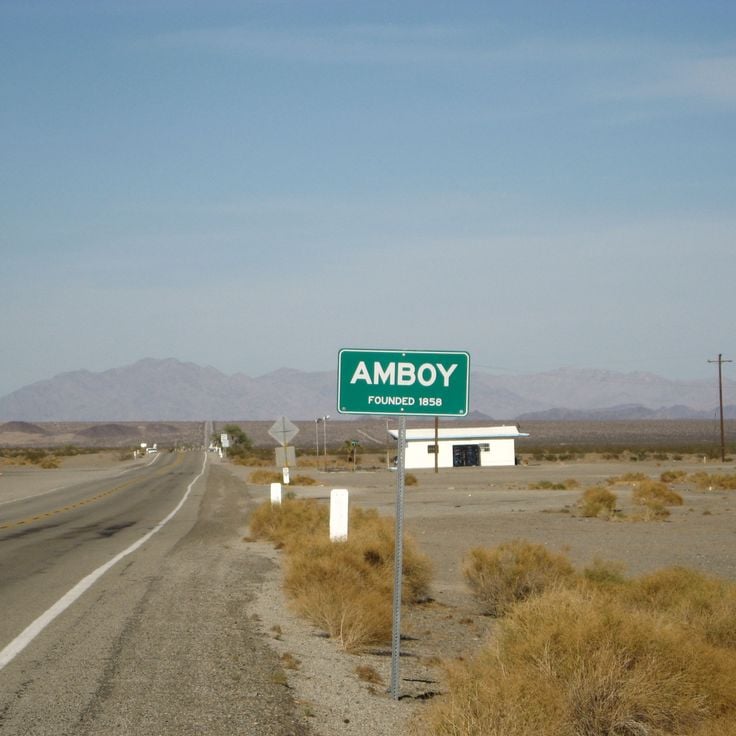
Amboy is an abandoned railroad settlement on Route 66 in the Mojave Desert of California. This town is part of a collection of notable American ghost towns that once thrived during gold rushes and mining operations. Amboy displays remains of its past as an important stopping point for travelers on the legendary highway.
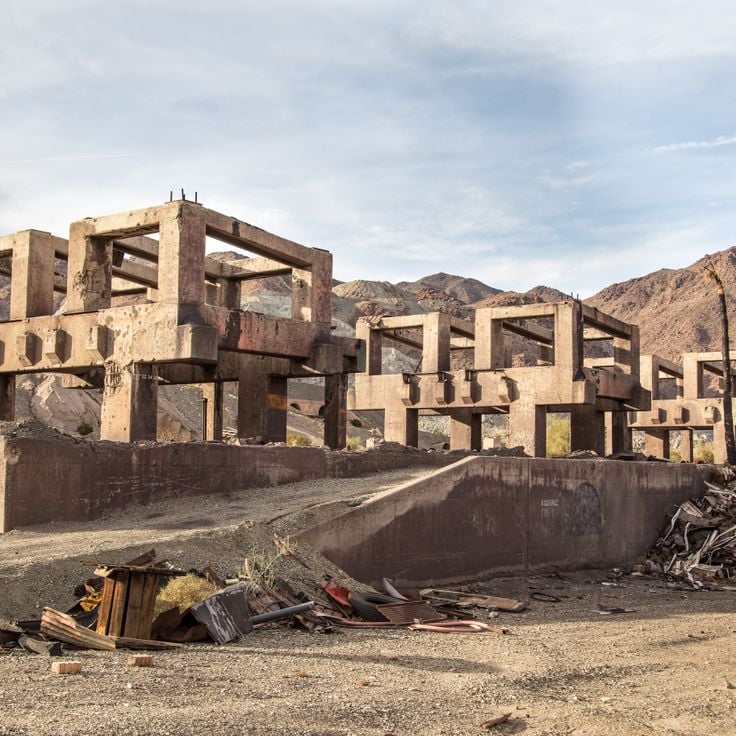
Eagle Mountain is a ghost town located in Riverside County, California. It developed as a center for iron ore mining and was active during the mid-20th century. The town features abandoned buildings and structures that mark its industrial past. As part of this collection of notable American ghost towns, Eagle Mountain tells the story of resource extraction communities that once thrived but have since been left behind.
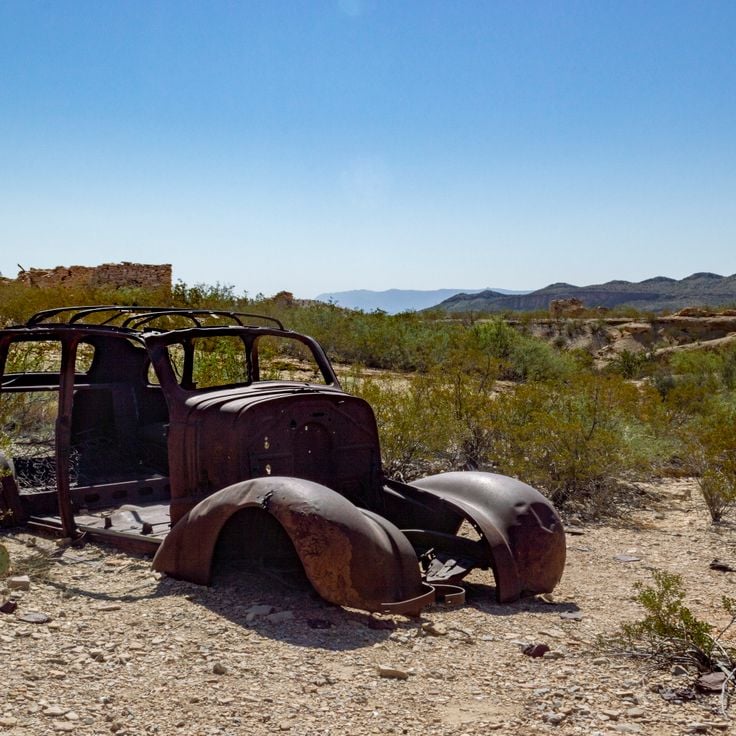
Terlingua is a ghost town in Brewster County, Texas, and represents one of the remarkable abandoned settlements in this collection across the United States. Born from mining operations, this place was gradually left behind as economic conditions changed. Today, visitors can see wooden and stone structures that tell stories of those who once lived here. The town sits in a desert landscape and draws people interested in understanding how communities in the American West developed and disappeared.
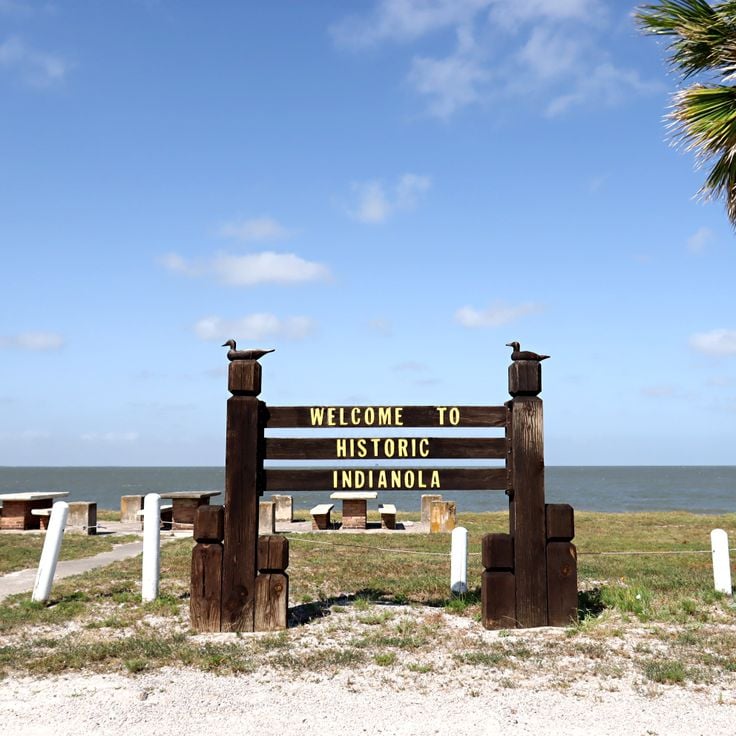
Indianola is an abandoned town on Matagorda Bay, Texas, featured in this collection of notable ghost towns across the United States. Once a thriving port and commercial center, it gradually lost its population after devastating hurricanes struck in the 19th century. Today, visitors can explore the remnants and historical structures that mark what was once a prosperous settlement in the Texas Gulf region.
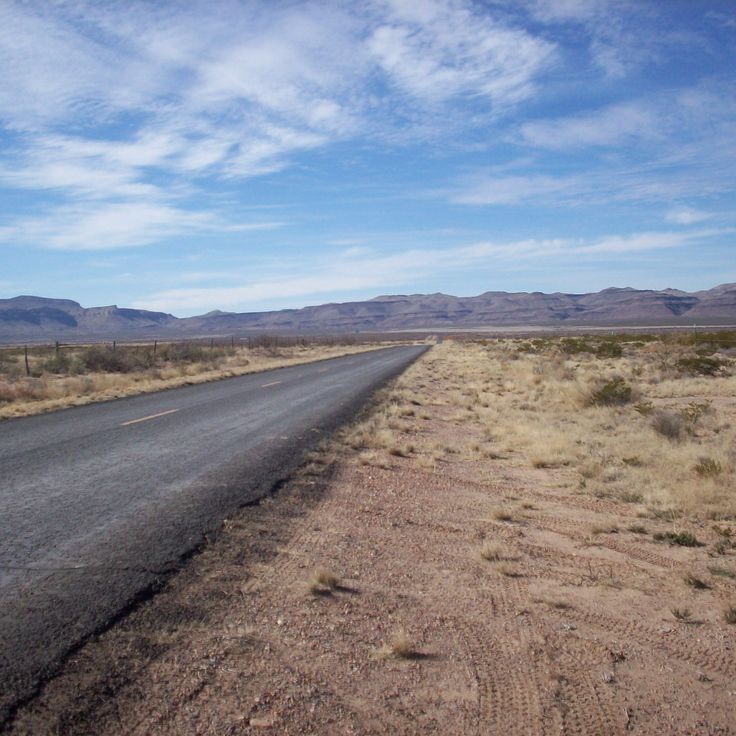
Lobo is a ghost town in Culberson County that represents one of the notable abandoned settlements across the United States. Like many others in this collection, it emerged from mining and gold rush activities, then gradually emptied as economic opportunities faded. The wooden structures and silent ruins that remain tell the story of life in the American West.
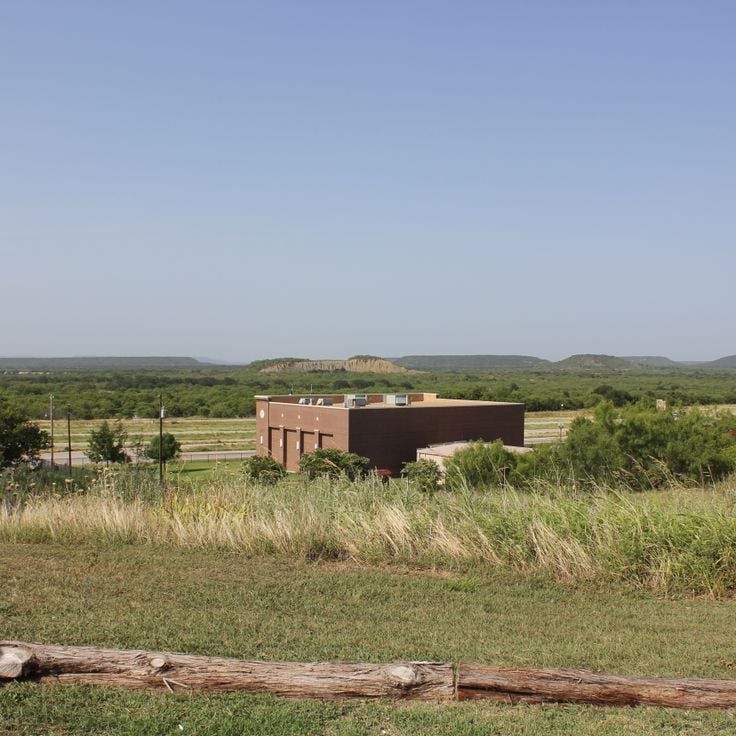
Thurber was once a thriving mining center in Texas and is today a ghost town included in this collection of notable abandoned places across the United States. The community emerged from coal mining activity and now stands as a location where visitors can explore traces of that industrial past. Old buildings and ruins here tell the story of the era when mineral extraction defined the region.
Quay County and Deaf County, United States of America
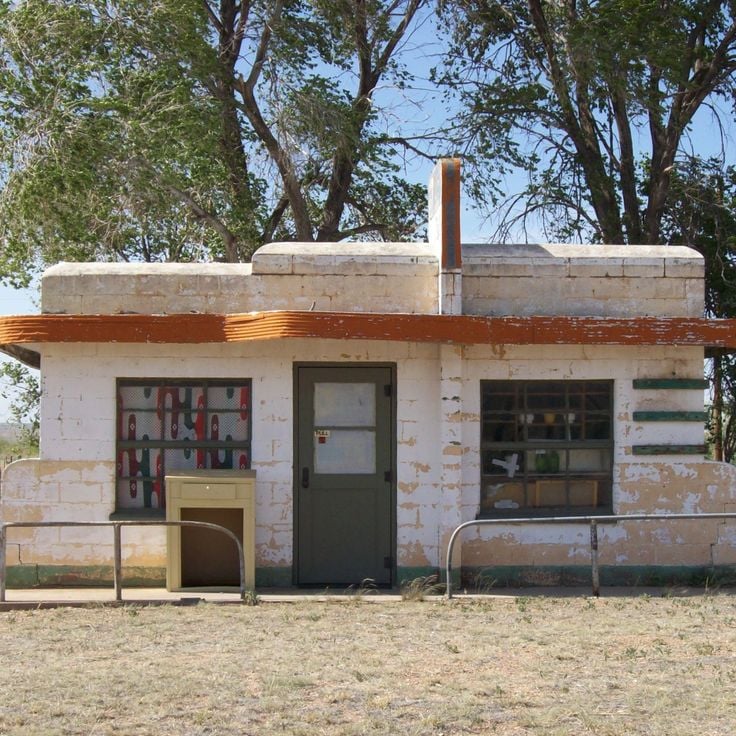
Glenrio is a ghost town located on the border between Quay County in New Mexico and Deaf County in Texas. As part of this collection, it represents how settlements from the gold rush and mining era were gradually abandoned. The town preserves remains from its past: wooden buildings, old storefronts, and other structures that tell of its former activity. Today it draws visitors interested in learning about the history of the American West.
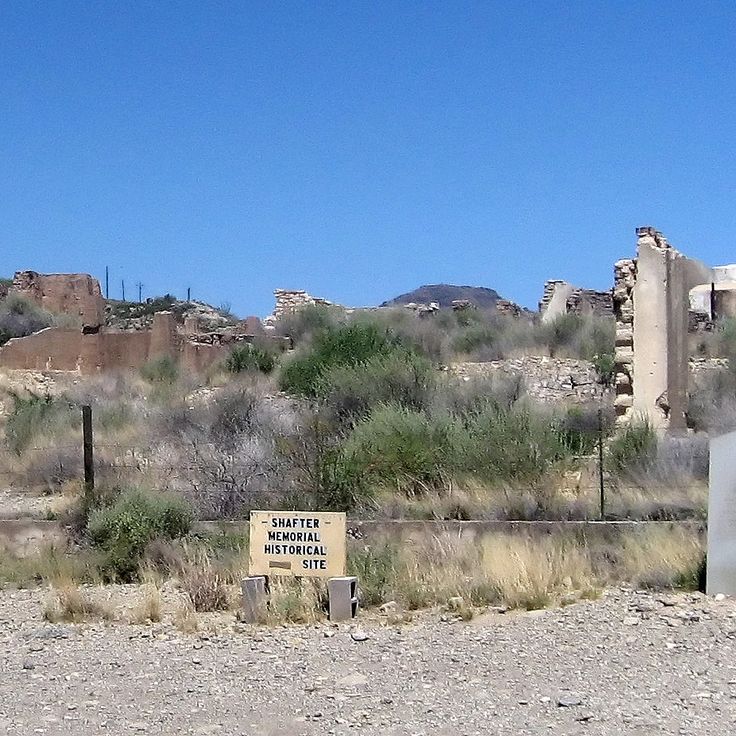
Allamoore is an abandoned town in Presidio County, Texas. It grew up around the mining of talc and sulfur in the 19th century, drawing workers and their families into a dry, remote stretch of land. When the deposits ran out, the town emptied. Today, a few crumbling structures remain standing, giving a direct sense of what daily life once looked like in this isolated corner of West Texas.
Wrangell-St. Elias National Park, Alaska, United States
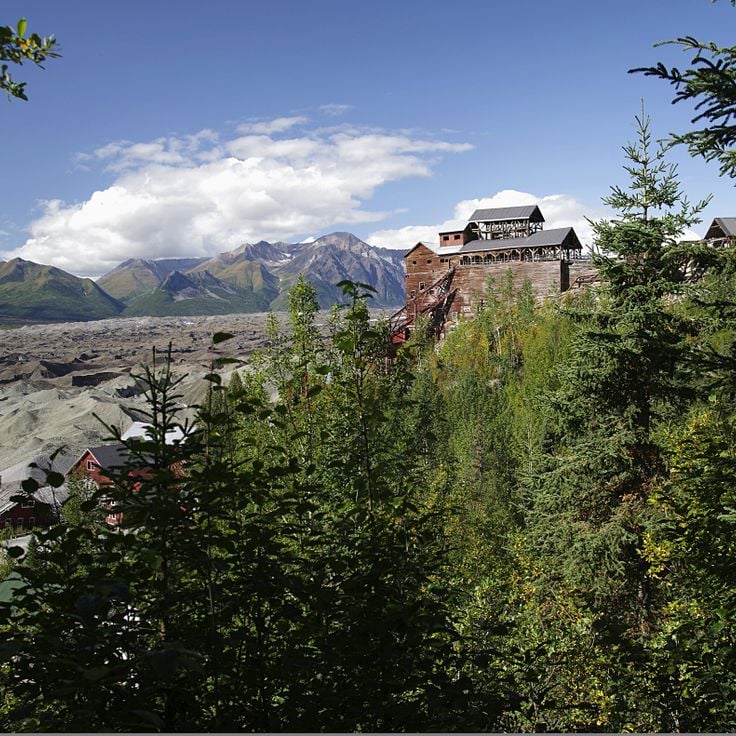
Kennecott Mines National Historic Landmark is a former copper mine in Alaska that holds an important place in this collection of notable ghost towns across the United States. The site shows how mining once drew people to remote regions and created prosperous settlements before they were gradually abandoned. The ruins of the mine and its associated buildings tell the story of a time when copper extraction shaped the region's economy.
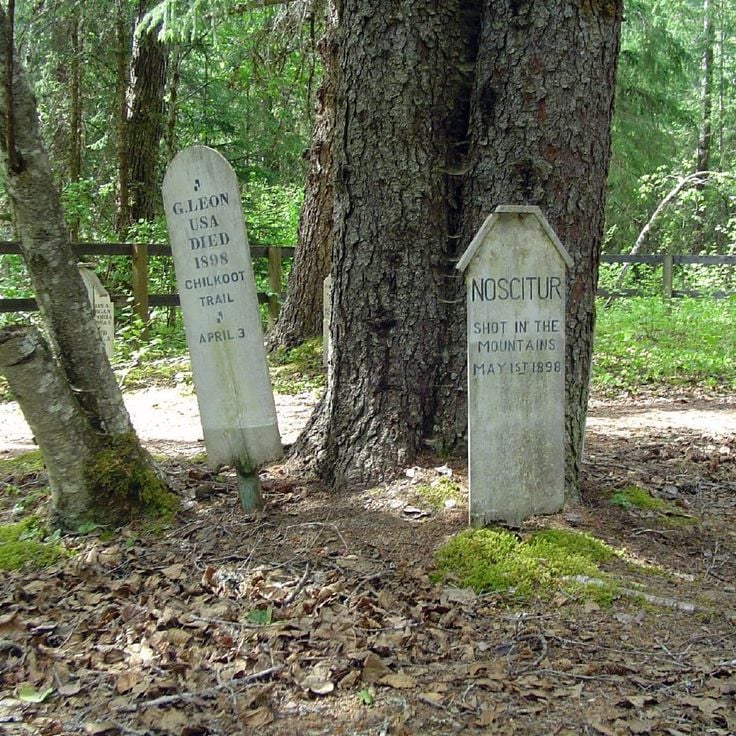
Dyea is part of this collection of abandoned towns across the United States that sprang up during gold rushes and were later left behind. This town served as a major supply point during the Klondike Gold Rush. Today visitors find mainly ruins of buildings and trails that speak to its former activity. Dyea shows how quickly such places return to nature once the gold fades away.
Chisana is an abandoned town in Alaska that emerged during the gold rush era. Today, visitors find the remains of wooden buildings and other structures from the past scattered throughout the site. The town shows how people lived in this remote region before it was eventually abandoned. Exploring the deteriorating structures offers a direct connection to the history of the American West.
Nabesna was a mining settlement that grew during Alaska's gold rush. The town emerged near rich gold deposits and was once a busy trading center. Today, Nabesna is part of this collection of abandoned places that preserve the story of America's westward expansion and resource seeking. The ruins tell of a chapter that ended when the gold ran out.
Centralia is an abandoned town in Columbia County, Pennsylvania, now part of this collection of notable American ghost towns. This community was destroyed by an underground coal mine fire that has burned continuously since the 1960s. Most residents left, and only a handful of houses and streets remain from the former town, marked by heat damage and toxic gases. Centralia shows how a natural disaster can erase an entire community from the map.
Cahaba was one of Alabama's first capitals and is now a ghost town in the United States. The settlement developed in the early 19th century and was later abandoned. Today, visitors can see the remains of antebellum-era buildings and other traces of this historical community that tell the story of the American South's past.
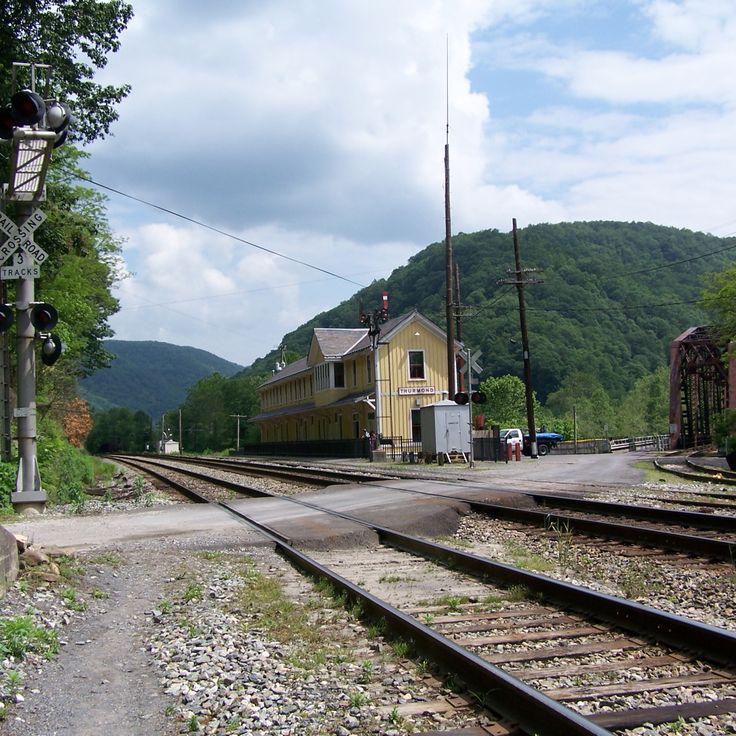
Thurmond is an abandoned railroad town in Fayette County. The settlement grew in the 19th century as a rail hub and thrived through coal mining and railroad commerce. Today, several original structures remain standing, including the old station building and homes from the town's early years. The village shows how quickly a place could rise and then fade when economic conditions shifted.
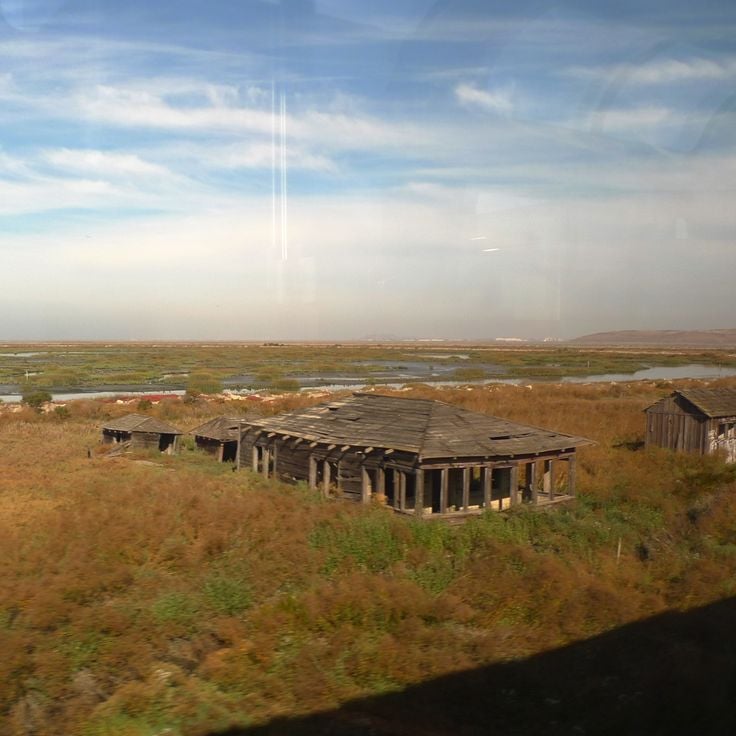
Drawbridge is an abandoned town in the San Francisco Bay, a silent witness to America's westward expansion. The place grew in the 19th century as workers arrived seeking fortune and opportunity. When economic hopes faded, residents left their homes behind. Today empty wooden buildings remain, telling the story of a time full of dreams and new beginnings before reality caught up with the pioneers.
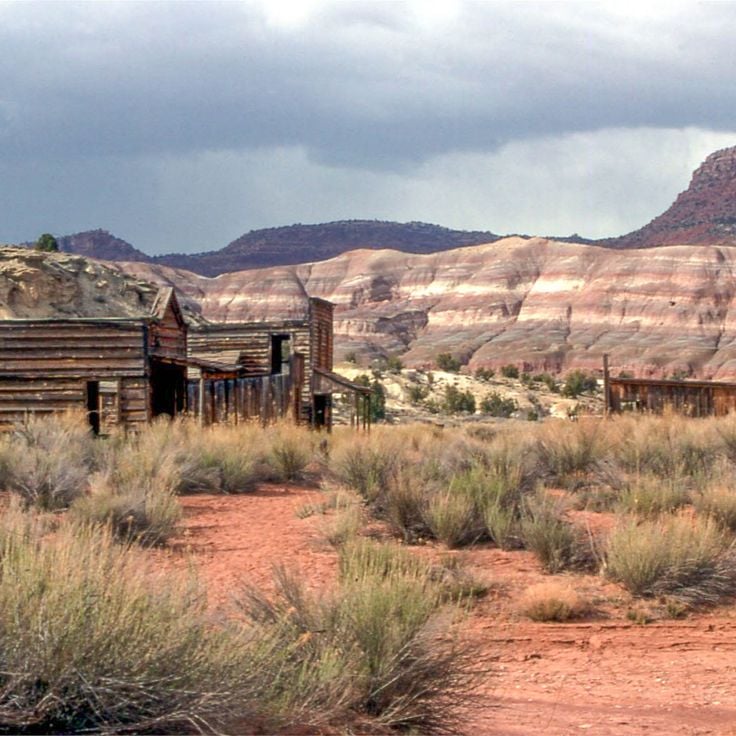
Paria is an abandoned settlement in Kane County, Utah that developed in the 1870s as a farming and ranching community. The town sat in a river valley, and residents lived from agriculture. Flash floods and changing conditions led people to leave over time. Today, visitors find scattered remains of structures in the desert landscape, telling the story of people who tried to make a life in this remote location. Paria is part of this collection of ghost towns across the United States that emerged from gold rushes and mining operations, with ruins preserved across deserts and mountains.
Picher is an abandoned mining town in Ottawa County, Oklahoma. The town grew in the early 20th century as a center for lead and zinc extraction. When the mines ran dry, residents moved away. Today, a few buildings still stand among hills of mining waste. Picher shows how quickly a thriving mining town can decline once its resources are exhausted.
Pithole was an oil town in Pennsylvania that grew rapidly in the 1860s and emptied just as quickly. The town formed after oil was discovered nearby, attracting workers and merchants seeking fortune. When the oil ran out, residents abandoned the place. Today, a few scattered remnants are all that remains of this once-busy settlement.
St. Thomas is a submerged ghost town in the Lake Mead National Recreation Area. The town started in the 1860s as a trading post along the Virgin River. When the Hoover Dam was built, rising water levels flooded the settlement in the 1930s. Today, the foundations and ruins remain underwater, becoming visible when the lake level drops. St. Thomas shows how large infrastructure projects transformed western communities.
Sego is an abandoned settlement in Utah that, like many other American towns, flourished during the coal mining boom of the early 20th century. Several wooden and stone buildings still stand there, telling of the time when miners and their families lived and worked in this remote location. The structures appear as if suddenly deserted, with old windows and weathered walls that have endured the region's dry climate. Visitors find here a quiet reminder of the hopes and dreams of those pioneers who sought fortune in this harsh landscape.
Hite is an abandoned settlement in the United States that tells the story of 19th-century mining days. Like many places in this collection, Hite was built when miners and merchants arrived seeking gold and silver. When the deposits ran out, people left behind wooden buildings, empty structures, and forgotten cemeteries. Today, visitors find the remains of an era when the West still held promises of wealth and new beginnings.
Ellaville is a ghost town in Florida that reflects how quickly places in America can be abandoned. The town shows the remains of buildings left behind when residents moved away. Like many towns across the United States, Ellaville emerged and then emptied as economic conditions changed. Walking through this site offers insight into a period when such settlements were created and then forgotten.
Luckenbach is an abandoned village in Gillespie County, Texas. This settlement thrived in the late 19th century as a trading center. Today, only scattered structures remain from that era, including old wooden buildings that stand as reminders of the community that once flourished there. The place has become known for its musical heritage and draws visitors interested in Texas frontier history and local cultural traditions.
Bodie is a ghost town and National Historic Landmark in Mono County, California. It represents the gold rush period of the American West and shows how quickly towns that thrived during mining were later abandoned. The town preserves wooden buildings, old saloons, and other structures from the mining era. Visitors can experience the history of the American West through its preserved remains.
Calico is a ghost town in San Bernardino County, California, that came to life during the silver rush of the 19th century. This collection recognizes such abandoned places across the United States that tell of their former prosperity as mining settlements. Calico preserves wooden buildings, old saloons, and mining operations from that era. The town attracts visitors interested in learning about the history of the American West.
Rhyolite sits in the Nevada desert, in Nye County, and is one of the most visited ghost towns in the American West. The town grew fast in the early 1900s after gold was discovered nearby. Today, the ruins of a former bank and an old train station still stand, slowly being swallowed by sand. Rhyolite shows, in a direct way, how quickly a town could rise and then disappear.
Goldfield is a ghost town near Youngberg, Arizona. It grew quickly during the 19th-century gold rush, drawing miners, merchants, and families hoping to find their fortune. When the mines ran dry, people left, leaving behind wooden buildings, old saloons, and mining ruins. Today, visitors can walk through the abandoned streets and get a direct sense of what daily life looked like during those short but intense years of the American West.
Nelson is a former mining settlement in Clark County, Nevada, part of a collection of notable ghost towns across the United States. The town grew during gold rushes and later became known for its mining operations. Today Nelson shows traces of its past with old wooden buildings and abandoned structures that tell the story of the American West. The site attracts visitors who want to learn about the region's history and its mining heritage.
Belmont is an abandoned town in Nevada and represents one of the notable ghost towns featured in this collection of American towns left behind. The town grew during Nevada's silver mining boom in the 1800s and gradually emptied as mining declined. Today, visitors can see original wooden buildings, historic structures, and remnants of a former mining community that reveal what life was like during the western mining era.
This ghost town in Nye County, Nevada preserves the remains of an early 20th century mining community. The location was abandoned as mining operations declined, leaving behind wooden structures, mine equipment, and cemeteries. The Berlin Historic District shows how people lived during the region's mining boom and offers perspective on western development during this era.
Metropolis is a ghost town in Elko County, Nevada, featured in this collection of abandoned American settlements. The town developed during the early 20th-century mining boom. Today, visitors encounter abandoned buildings and remnants of an era when extraction activities drove the local economy. Metropolis demonstrates how communities built on resource extraction can be quickly abandoned when opportunities move elsewhere.
Virginia City is a former mining district in Nevada that flourished during the silver boom of the 19th century and was gradually abandoned afterward. The place retains buildings from its past, including wooden structures, old saloons, and abandoned mines. It represents the kind of location featured in this collection - once prosperous communities that declined due to economic shifts. Today, visitors can see the structures and remnants that tell the story of when this region was an active center of commerce and industry in the American West.
Pioche is a mining settlement in Lincoln County, Nevada, that represents the story of abandoned towns across the American West. Born from mining activity, this place still holds buildings and structures from its prosperous past. Visitors come here to walk through history and see how communities once thrived in remote parts of Nevada before being left behind.
Chloride City is a abandoned settlement in Inyo County, California. The town started during the mining era and was gradually left behind. Today, Chloride City keeps reminders of this time in its preserved buildings and abandoned structures scattered across the desert landscape.
Jerome Junction is an abandoned settlement in Arizona and part of this collection of notable ghost towns across the United States. The town developed during the mining era, when people came here seeking opportunity. Today, the remains of wooden buildings and old structures recall the time when the community was active. Jerome Junction demonstrates how quickly a thriving settlement can fade away.
Oatman is a former mining settlement in the Black Mountains of Arizona. This place belongs to a collection of notable ghost towns across the United States, which emerged during gold rushes and mining operations and were gradually abandoned. The settlement preserves wooden buildings, old saloons, and abandoned mines that tell the story of the American West.
Two Guns is an abandoned settlement in Coconino County, Arizona and is part of this collection of notable ghost towns across the United States. The site began in the 1880s as a trading post and railroad station. Today, the ruins of Two Guns show what life was like in this remote area when the settlement was active. Visitors can explore old building ruins and historical traces that tell the story of daily life for former residents.
Santa Cruz County, Arizona, United States of America
Ruby is a ghost town in Santa Cruz County, Arizona, included in this collection of remarkable abandoned settlements across the United States. The town grew from mining activities in the region and was gradually deserted over time. Today, visitors can explore the remains of its past, including old structures and artifacts left behind by former residents.
Gleeson is an abandoned town in Cochise County, Arizona, included in this collection of notable ghost towns across the United States. The town emerged during the mining booms of the 19th century and was gradually left behind as mining activity declined. Today, visitors can find the remains of wooden structures and other traces of frontier life preserved in the desert landscape.
Courtland is a ghost town in Cochise County, Arizona, that fits within this collection of notable abandoned towns across the United States. The town emerged from mining activity and was eventually deserted. Courtland preserves remnants of its past, including old structures and mining remains. Visitors can explore the history of the American West and see how time has shaped this forsaken place.
Pearce, Arizona is an abandoned settlement in Cochise County that represents one of the notable ghost towns in this collection across the United States. This town emerged from mining activities and was gradually left behind. Today, visitors can see old buildings and remnants from the town's past.
Vulture City is an abandoned settlement in Arizona that preserves traces of a mining community from the past. Like other notable ghost towns in this collection, Vulture City retains the remains of gold rush and mining activity era. The structure of this town still shows wooden buildings and old structures that tell of its former importance.
Swansea is a mining town in the Arizona desert presented in this collection of notable ghost towns across the United States. The town emerged in the 19th century when prospectors discovered copper in the area. Today, visitors find ruins of wooden and stone buildings, abandoned mines, and an old cemetery that show what this once-active settlement in La Paz County was like.
Chloride is a former mining settlement in Mohave County and part of this collection of abandoned American towns. The place grew during the mining boom and still shows traces of that era: old wooden buildings, abandoned mines, and cemeteries. Visitors can explore the history of the American West here and see how settlements like this were gradually left behind after mining declined.
Catron County, New Mexico, United States of America
Mogollon is a historic settlement in the mountains of New Mexico that grew during the mining era. As part of this collection of notable ghost towns across the United States, it shows how these places came into being and were later left behind. The settlement preserves old wooden buildings that reflect the daily life of former residents. Visitors can discover traces of the past here and learn how life in the West once unfolded.
Hidalgo County, New Mexico, United States of America
Shakespeare is an abandoned town in Hidalgo County, New Mexico. It developed in the 1870s as a silver mining settlement and once served as a busy hub for miners and merchants. Today, old wooden buildings, a former saloon, and other structures from that era still stand. Visitors can walk through the site to experience how people lived and worked in a mining community during the American West period.
Steins is a ghost town in Hidalgo County, New Mexico, part of this collection of notable abandoned towns across the United States. The town developed as a stop along a historic trade route and later drew people searching for minerals. Today, visitors find old wooden and stone buildings that tell the story of life in this remote frontier area.
Chloride is an abandoned settlement in Sierra County, New Mexico, and is part of this collection of notable ghost towns across the United States. This location tells the story of the American West, shaped by mining and the hopes of those who once lived here. Today, old wooden buildings and ruins remain, offering a glimpse into a time when people made their lives in this remote place.
Dawson is a ghost town in Colfax County, New Mexico, part of this collection of notable ghost towns across the United States. The town emerged from coal mining and once thrived as a hub for miners. Today, visitors find remains of wooden buildings, old structures, and a cemetery that tells the story of the place.
Grafton demonstrates how settlements in the American West rose and fell. This ghost town in Washington County, Utah, was once a thriving community with farms and homes. Settlers abandoned the place after repeated floods from the Virgin River. Today, several wooden buildings and ruins still stand, telling the story of pioneer life. Visitors can walk through the quiet town and imagine what life was like here long ago.
Cisco is a ghost town in Grand County, Utah, and represents one of the notable abandoned settlements featured in this collection of American ghost towns. The town emerged during the mining era and later served as a railroad stop. Today, wooden and stone buildings stand empty, showing traces of the activity that once filled the streets. Visitors can explore the remains of this former settlement and learn about the history of the American West.
Spanish Fork Canyon, Utah County, United States of America
Thistle was a thriving settlement in Spanish Fork Canyon in Utah County. The town grew in the late 1800s as a major railroad station. In 1983, a landslide flooded Thistle and residents abandoned the area. Today, empty buildings and ruins tell the story of this ghost town, part of a collection of notable American ghost towns born from mining booms and economic shifts.
Silver Reef is a ghost town in Washington County, Utah that emerged during the 1800s from silver mining operations and was subsequently abandoned. This site in the collection of notable American ghost towns preserves the remnants of an era when mining brought settlers to the desert. Visitors today encounter old structures, mining equipment, and traces of former residents that tell the story of Western expansion and the boom-and-bust cycles that shaped the region.
Frisco is an abandoned mining town in Beaver County, Utah, featured in this collection of notable ghost towns across the United States. The town emerged during the silver rush of the 19th century and was gradually deserted as mining operations declined. Today, visitors can explore the remains of buildings, old structures, and learn about the mining history of the region.
Ophir is a former mining settlement in Placer County, California, part of this collection of abandoned American towns that emerged from gold rushes and resource exploitation. The town grew during the height of gold prospecting and was gradually left behind as the mines became less productive. Today, wooden structures and remnants of mining operations remain as traces of its past.
Iosepa is a ghost town located in Tooele County, Utah. Founded in the late 1800s, this settlement was gradually abandoned over time. Today, sparse structures remain from its period of habitation, offering visitors a window into how communities took root and eventually faded in the American West. Iosepa represents one of many locations that once held promise but was eventually left behind.
Chaffee County, Colorado, United States of America
St. Elmo is a former mining town in Chaffee County, Colorado, part of this collection of notable abandoned settlements across the United States. Founded during the silver mining boom of the 19th century, the town reveals the daily lives of miners and families through its wooden buildings and structures. St. Elmo preserves the history of the American West and attracts visitors interested in learning how people lived in remote mining communities during the prosperous years before these towns were left behind.
Ashcroft is a historic ghost town in Colorado and part of this collection of notable abandoned places across the United States. The town emerged during the silver mining era and was later abandoned. Today, visitors can walk through the remains and see wooden structures that tell the story of the mining days.
Independence is a ghost town in the mountains of Colorado that reveals the hopes and disappointments of the gold rush era. This abandoned settlement in Pitkin County shows how quickly settlements appeared and disappeared when resources ran out. The town is part of a collection of one hundred notable ghost towns across the United States, each telling stories of former mining boom towns. Today, wooden buildings and old structures still stand here, reminding visitors of the people who once lived and worked in this place.
Animas Forks was a mining settlement in San Juan County, Colorado. The place grew from the search for silver and prospered through the extraction of precious metals. Today Animas Forks stands as part of this collection of abandoned American towns, showing how mining shaped the landscape and lives in the West.
Winfield is an abandoned mining settlement in Colorado and part of this collection of one hundred notable ghost towns across the United States. This town emerged during the gold rush era and was gradually left behind. Today it contains old wooden buildings and remnants of former mining operations standing in the rugged mountain terrain. Visitors can explore the history of the American West through the silent ruins that remain.
Gothic is an abandoned settlement in Colorado, part of this collection of notable ghost towns across the United States. The town grew during the mining era and was later deserted. Today, visitors can see the remains of wooden buildings and other structures from that period, which tell the story of American West history.
Hinsdale County, Colorado, United States of America
Capitol City is an abandoned town in Hinsdale County, Colorado, born from the silver mining boom of the 19th century. Located high in the Rocky Mountains, this former settlement reflects the lives of prospectors and miners who sought fortune beneath the peaks. The remaining structures show how communities adapted to harsh mountain conditions, with log cabins, mine workings, and faded buildings scattered across the landscape. Like many ghost towns in this collection, Capitol City preserves a chapter of the American West's resource-driven history.
Dearfield is an abandoned settlement in Colorado that contributes to the story of ghost towns across the American West. This human settlement bears witness to a time of intense economic activity, when gold rushes and mining drew people to the area. The ruins of Dearfield show the structure of former community life, with remains of buildings and infrastructure from that era.
Ludlow is a ghost town in Las Animas County, Colorado. It was founded in the late 1800s when coal mining brought workers and their families to the area. As the mining industry declined, the town was gradually abandoned. Today, the remains of Ludlow show what life was like for miners and their families during that period in Colorado's industrial history.
Tincup is a deserted settlement in the mountains of Colorado that developed around gold and silver mining in the 19th century. Like other locations in this collection, Tincup was gradually abandoned when the mines became less profitable. Today, old wooden buildings and structures remain, marking where miners and prospectors once lived and worked.
Bonanza is a ghost town in Saguache County, Colorado, that once thrived during the mining era. The town developed as prospectors sought precious metals in the surrounding mountains. Today, Bonanza stands as a place where visitors can see remnants of wooden structures and abandoned buildings from its past. This location is part of a collection of one hundred ghost towns across the United States, each offering insight into how settlements rose and fell with the fortunes of mining.
Alta is an abandoned settlement in the San Juan Mountains of Colorado. The place developed during the mining activities of the 19th century and was later left behind. Today Alta shows the traces of that time: old wooden buildings and the remains of mining operations lie among the mountain forest and rocks. The place tells the story of America's western past and draws visitors who want to explore history.
Ironton appears in this collection of notable ghost towns across the United States. The town sits in Ouray County, Colorado, and represents one of the places that gradually emptied after its mining boom ended. Like others in this collection, Ironton holds remnants of its past: wooden structures and mining-era buildings mark the site today.
Carson is an abandoned town in the United States, part of this collection of one hundred notable ghost towns. Like many others in this selection, Carson emerged during the height of mining activity and was gradually left behind as economic prospects faded. The town preserves traces of its past: old wooden buildings, decaying structures, and silent cemeteries that speak to a time when life and activity filled this place. Visitors seeking to explore the history of the American West can find in Carson evidence of this eventful era.
South Pass City is an unincorporated community in Fremont County, Wyoming. It emerged during a gold rush in the 1800s and became a busy mining center for a brief period. Today, old wooden buildings and abandoned structures from that era still stand there. The town shows how quickly such places were left behind once gold mining ended and represents a piece of American West history.
Atlantic City is a mining settlement in Fremont County and part of this collection of ghost towns across the United States. The town developed during the mining boom and was gradually abandoned over time. Today, visitors can see the remains of this period: wooden buildings, abandoned mines, and cemeteries that tell the story of America's western past.
Miner's Delight is a ghost town in Fremont County, Wyoming, which originated during the gold rush of the 19th century. The settlement was gradually abandoned after mining activity declined. Today, visitors can see wooden buildings and traces of earlier habitation that document the history of the American West. Miner's Delight is part of a collection of notable ghost towns across the United States, places that were once prosperous and now preserve their past.
Kirwin is a ghost town in Park County, Wyoming, included in this collection of 100 notable abandoned places across the United States. The settlement developed during the mining era and was gradually left behind as economic activity declined. Today, the town retains wooden structures and remnants from its past, offering visitors a glimpse into the history of the American West.
Hot Springs County, Wyoming, United States of America
Gebo is an abandoned settlement in Hot Springs County, Wyoming. The settlement once served as a center for mining activity and was eventually deserted. Today, Gebo stands as an example of the many communities in this collection of 100 ghost towns across the United States that tell their history through preserved structures and traces of their former economic purpose.
Beaverhead County, Montana, United States of America
Bannack is a gold mining ghost town in Beaverhead County, Montana, featured in this collection of significant abandoned towns across the United States. Born from the gold rush, this settlement was gradually left behind. Today, Bannack preserves traces of its past: wooden buildings, old saloons, abandoned mines, and quiet cemeteries. The town draws visitors interested in learning about the history of the American West.
Garnet Ghost Town is an abandoned mining settlement in Granite County, Montana. It stands as one of the notable abandoned towns across the United States, born from gold rushes and mining operations. The town preserves wooden buildings, old storefronts, and mines from its active years. Today, visitors can walk through the remains and learn how people once lived and worked in this remote location.
Elkhorn is an abandoned town in Montana that represents one of the notable ghost towns featured in this collection of American ghost towns. This settlement emerged during 19th century mining operations and was subsequently abandoned. Today Elkhorn displays remnants of its past with old wooden buildings and structures from the era of western settlement.
Castle Town is an abandoned settlement in Meagher County, Montana. The site emerged during the gold rush era of the late 1800s, founded by prospectors seeking gold. Today Castle Town displays the typical features of that period: deteriorating wooden buildings and empty structures that reflect its past. The ruins sit in the rugged terrain of the Rocky Mountains and draw visitors interested in learning about the history of the American West.
Comet is a ghost town in Montana that shows how mining communities in the western United States were left behind. The town arose during the mining era and was later abandoned. Today visitors find old wooden buildings and traces of former life that tell the story of this region's past.
Garnet Ghost Town is an abandoned mining settlement in Granite County, Montana. This town thrived during the gold and silver rush of the late 1800s, serving as a hub for miners and their families. Visitors can walk through its wooden structures, including old stores and residences that remain from its prosperous era. Today, Garnet Ghost Town offers a glimpse into the daily life and industrial past of the American West.
Burke is a former mining town in Shoshone County, Idaho, included in this collection of notable ghost towns across the United States. The settlement grew during silver mining operations and was eventually abandoned as the industry declined. Today, visitors can see structures that remain from that era, offering a glimpse into the region's mining past.
Bayhorse is an abandoned settlement in Idaho that preserves the history of America's mining era. This community emerged through silver mining development in the 19th century and was later abandoned. Today, visitors find here the material remains of an earlier period: wooden structures, old buildings, and mining relics that speak to the economic hope and subsequent decline of this region.
Custer is an abandoned town in Custer County, Idaho. It is part of a collection of notable ghost towns across the United States, many of which grew prosperous from gold rushes and mining operations. Today, Custer preserves the remains of its past: wooden buildings, old mines, and quiet cemeteries. The town attracts visitors interested in learning about the history of the American West.
Silver City is an abandoned town in Juab County, Utah, part of this collection of notable ghost towns across the United States. The settlement grew during the mining era and was gradually left behind as economic activity declined. Today, visitors find wooden structures and the silent remains of what was once a busy mining settlement, telling the story of the American West.
Gilmore is an abandoned settlement in Lemhi County, Idaho that reflects the mining activities of the late 1800s. As part of this collection of 100 notable ghost towns across the United States, Gilmore shows the traces of an era when mining and resource extraction shaped the region. Today, visitors find remains from this period that tell stories of American West history.
Bonanza is an abandoned settlement in Idaho that represents part of the legacy of America's gold rush era. The history of this town is connected to mining and the search for wealth. Today, Bonanza shows, like many places in this collection, how quickly communities can rise and disappear when the economic reasons for their existence fade away.
Monte Cristo is a ghost town in Washington that shows the remains of a mining settlement from the 1800s. The town grew during the rush for precious metals and became a center for mining operations. Today visitors can see wooden buildings, old mining structures, and relics from the town's active years. Monte Cristo offers a window into how mining communities lived and worked in the American West.
Okanogan County, Washington, United States of America
Molson is an abandoned settlement in Okanogan County, Washington, included in this collection of ghost towns across the United States. The town grew from mining and farming activity but was eventually left behind by its residents. Today, visitors can see wooden buildings and other remains that tell the story of life in the American West.
Franklin is a city in King County, Washington State that represents part of this collection of American ghost towns. The city was once an active place but gradually became abandoned over time. Today, Franklin displays traces of its past through old buildings and structures that reflect when the city was thriving. Like many other locations in this collection, Franklin tells the story of the American West through its deserted remains.
Shaniko is an abandoned city in Oregon and belongs to this collection of notable ghost towns across the United States. This location was once a thriving trading center shaped by railroad development. Today, visitors can explore wooden buildings from the pioneer era and remnants from the past that tell the story of the American West.
Sumpter is an abandoned town in Oregon that once thrived on gold mining. In the late 1800s, thousands came here hoping to make their fortune in the surrounding hills. Today, wooden buildings still line the old main street, and a large gold dredge sits rusting on the edge of town. That dredge is one of the most tangible remains of the era and can be visited up close.
Golden is a ghost town in Oregon and represents one of many abandoned settlements across the United States born from gold rushes and mining activities. This town preserves remnants of its past: wooden structures, defunct mines, and historic cemeteries. Golden shows how communities were gradually left behind when their economic foundation collapsed.
Cerro Gordo is a ghost town in California that represents the fate of many locations featured in this collection. Born from the mining boom of the 19th century, the town thrived when ore was plentiful but declined as resources ran out. Today, Cerro Gordo preserves the physical remains of its prosperous past: wooden structures, abandoned buildings, and the quiet that comes with desertion. The site offers insight into how Western communities rose and fell with the fortunes of the land.
Ballarat is a ghost town in California and part of this collection of notable abandoned settlements across the United States. This town emerged during the gold rush era and was gradually left behind as mining activity declined. Today, Ballarat preserves remains from its past, including structures that offer a glimpse into the history of the American West.
Panamint City is an abandoned town in Inyo County, California, part of this collection of notable ghost towns across the United States. This settlement arose during the silver rush of the 19th century and was later abandoned. Today, visitors find ruins of wooden structures, old mining operations, and traces of life from that era.
Darwin is a mining town that was abandoned and now stands as part of the collection of ghost towns across the United States. The town developed during the mining booms of the 19th century and shows the typical features of a deserted settlement from that era. Visitors can find old wooden buildings and remains of mines that tell the story of the region's industrial past.
Randsburg is a former mining town in Kern County and represents one of these ghost towns that emerged during America's gold rush era. The town developed around precious metal extraction and later became known for silver and tungsten mining. Today visitors can walk among wooden buildings, abandoned stores, and mining remnants that tell the story of westward expansion.
Bombay Beach is an abandoned settlement on the shores of the Salton Sea in California. Founded in the 1950s as a resort town, it has gradually declined and now sits largely empty. Walking through its streets, you encounter boarded-up houses, faded buildings, and scattered remnants of its past as a vacation destination. The town offers insight into how communities built on temporary prosperity can fade quickly. Visitors find themselves in an eerie landscape where nature reclaims what people once built.
Amboy is an abandoned railroad settlement on Route 66 in the Mojave Desert of California. This town is part of a collection of notable American ghost towns that once thrived during gold rushes and mining operations. Amboy displays remains of its past as an important stopping point for travelers on the legendary highway.
Eagle Mountain is a ghost town located in Riverside County, California. It developed as a center for iron ore mining and was active during the mid-20th century. The town features abandoned buildings and structures that mark its industrial past. As part of this collection of notable American ghost towns, Eagle Mountain tells the story of resource extraction communities that once thrived but have since been left behind.
Terlingua is a ghost town in Brewster County, Texas, and represents one of the remarkable abandoned settlements in this collection across the United States. Born from mining operations, this place was gradually left behind as economic conditions changed. Today, visitors can see wooden and stone structures that tell stories of those who once lived here. The town sits in a desert landscape and draws people interested in understanding how communities in the American West developed and disappeared.
Indianola is an abandoned town on Matagorda Bay, Texas, featured in this collection of notable ghost towns across the United States. Once a thriving port and commercial center, it gradually lost its population after devastating hurricanes struck in the 19th century. Today, visitors can explore the remnants and historical structures that mark what was once a prosperous settlement in the Texas Gulf region.
Lobo is a ghost town in Culberson County that represents one of the notable abandoned settlements across the United States. Like many others in this collection, it emerged from mining and gold rush activities, then gradually emptied as economic opportunities faded. The wooden structures and silent ruins that remain tell the story of life in the American West.
Thurber was once a thriving mining center in Texas and is today a ghost town included in this collection of notable abandoned places across the United States. The community emerged from coal mining activity and now stands as a location where visitors can explore traces of that industrial past. Old buildings and ruins here tell the story of the era when mineral extraction defined the region.
Quay County and Deaf County, United States of America
Glenrio is a ghost town located on the border between Quay County in New Mexico and Deaf County in Texas. As part of this collection, it represents how settlements from the gold rush and mining era were gradually abandoned. The town preserves remains from its past: wooden buildings, old storefronts, and other structures that tell of its former activity. Today it draws visitors interested in learning about the history of the American West.
Allamoore is an abandoned town in Presidio County, Texas. It grew up around the mining of talc and sulfur in the 19th century, drawing workers and their families into a dry, remote stretch of land. When the deposits ran out, the town emptied. Today, a few crumbling structures remain standing, giving a direct sense of what daily life once looked like in this isolated corner of West Texas.
Wrangell-St. Elias National Park, Alaska, United States
Kennecott Mines National Historic Landmark is a former copper mine in Alaska that holds an important place in this collection of notable ghost towns across the United States. The site shows how mining once drew people to remote regions and created prosperous settlements before they were gradually abandoned. The ruins of the mine and its associated buildings tell the story of a time when copper extraction shaped the region's economy.
Dyea is part of this collection of abandoned towns across the United States that sprang up during gold rushes and were later left behind. This town served as a major supply point during the Klondike Gold Rush. Today visitors find mainly ruins of buildings and trails that speak to its former activity. Dyea shows how quickly such places return to nature once the gold fades away.
Chisana is an abandoned town in Alaska that emerged during the gold rush era. Today, visitors find the remains of wooden buildings and other structures from the past scattered throughout the site. The town shows how people lived in this remote region before it was eventually abandoned. Exploring the deteriorating structures offers a direct connection to the history of the American West.
Nabesna was a mining settlement that grew during Alaska's gold rush. The town emerged near rich gold deposits and was once a busy trading center. Today, Nabesna is part of this collection of abandoned places that preserve the story of America's westward expansion and resource seeking. The ruins tell of a chapter that ended when the gold ran out.
Centralia is an abandoned town in Columbia County, Pennsylvania, now part of this collection of notable American ghost towns. This community was destroyed by an underground coal mine fire that has burned continuously since the 1960s. Most residents left, and only a handful of houses and streets remain from the former town, marked by heat damage and toxic gases. Centralia shows how a natural disaster can erase an entire community from the map.
Cahaba was one of Alabama's first capitals and is now a ghost town in the United States. The settlement developed in the early 19th century and was later abandoned. Today, visitors can see the remains of antebellum-era buildings and other traces of this historical community that tell the story of the American South's past.
Thurmond is an abandoned railroad town in Fayette County. The settlement grew in the 19th century as a rail hub and thrived through coal mining and railroad commerce. Today, several original structures remain standing, including the old station building and homes from the town's early years. The village shows how quickly a place could rise and then fade when economic conditions shifted.
Drawbridge is an abandoned town in the San Francisco Bay, a silent witness to America's westward expansion. The place grew in the 19th century as workers arrived seeking fortune and opportunity. When economic hopes faded, residents left their homes behind. Today empty wooden buildings remain, telling the story of a time full of dreams and new beginnings before reality caught up with the pioneers.
Paria is an abandoned settlement in Kane County, Utah that developed in the 1870s as a farming and ranching community. The town sat in a river valley, and residents lived from agriculture. Flash floods and changing conditions led people to leave over time. Today, visitors find scattered remains of structures in the desert landscape, telling the story of people who tried to make a life in this remote location. Paria is part of this collection of ghost towns across the United States that emerged from gold rushes and mining operations, with ruins preserved across deserts and mountains.
Picher is an abandoned mining town in Ottawa County, Oklahoma. The town grew in the early 20th century as a center for lead and zinc extraction. When the mines ran dry, residents moved away. Today, a few buildings still stand among hills of mining waste. Picher shows how quickly a thriving mining town can decline once its resources are exhausted.
Pithole was an oil town in Pennsylvania that grew rapidly in the 1860s and emptied just as quickly. The town formed after oil was discovered nearby, attracting workers and merchants seeking fortune. When the oil ran out, residents abandoned the place. Today, a few scattered remnants are all that remains of this once-busy settlement.
St. Thomas is a submerged ghost town in the Lake Mead National Recreation Area. The town started in the 1860s as a trading post along the Virgin River. When the Hoover Dam was built, rising water levels flooded the settlement in the 1930s. Today, the foundations and ruins remain underwater, becoming visible when the lake level drops. St. Thomas shows how large infrastructure projects transformed western communities.
Sego is an abandoned settlement in Utah that, like many other American towns, flourished during the coal mining boom of the early 20th century. Several wooden and stone buildings still stand there, telling of the time when miners and their families lived and worked in this remote location. The structures appear as if suddenly deserted, with old windows and weathered walls that have endured the region's dry climate. Visitors find here a quiet reminder of the hopes and dreams of those pioneers who sought fortune in this harsh landscape.
Hite is an abandoned settlement in the United States that tells the story of 19th-century mining days. Like many places in this collection, Hite was built when miners and merchants arrived seeking gold and silver. When the deposits ran out, people left behind wooden buildings, empty structures, and forgotten cemeteries. Today, visitors find the remains of an era when the West still held promises of wealth and new beginnings.
Ellaville is a ghost town in Florida that reflects how quickly places in America can be abandoned. The town shows the remains of buildings left behind when residents moved away. Like many towns across the United States, Ellaville emerged and then emptied as economic conditions changed. Walking through this site offers insight into a period when such settlements were created and then forgotten.
Luckenbach is an abandoned village in Gillespie County, Texas. This settlement thrived in the late 19th century as a trading center. Today, only scattered structures remain from that era, including old wooden buildings that stand as reminders of the community that once flourished there. The place has become known for its musical heritage and draws visitors interested in Texas frontier history and local cultural traditions.
Bodie is a ghost town and National Historic Landmark in Mono County, California. It represents the gold rush period of the American West and shows how quickly towns that thrived during mining were later abandoned. The town preserves wooden buildings, old saloons, and other structures from the mining era. Visitors can experience the history of the American West through its preserved remains.
Calico is a ghost town in San Bernardino County, California, that came to life during the silver rush of the 19th century. This collection recognizes such abandoned places across the United States that tell of their former prosperity as mining settlements. Calico preserves wooden buildings, old saloons, and mining operations from that era. The town attracts visitors interested in learning about the history of the American West.
Rhyolite sits in the Nevada desert, in Nye County, and is one of the most visited ghost towns in the American West. The town grew fast in the early 1900s after gold was discovered nearby. Today, the ruins of a former bank and an old train station still stand, slowly being swallowed by sand. Rhyolite shows, in a direct way, how quickly a town could rise and then disappear.
Goldfield is a ghost town near Youngberg, Arizona. It grew quickly during the 19th-century gold rush, drawing miners, merchants, and families hoping to find their fortune. When the mines ran dry, people left, leaving behind wooden buildings, old saloons, and mining ruins. Today, visitors can walk through the abandoned streets and get a direct sense of what daily life looked like during those short but intense years of the American West.
Nelson is a former mining settlement in Clark County, Nevada, part of a collection of notable ghost towns across the United States. The town grew during gold rushes and later became known for its mining operations. Today Nelson shows traces of its past with old wooden buildings and abandoned structures that tell the story of the American West. The site attracts visitors who want to learn about the region's history and its mining heritage.
Belmont is an abandoned town in Nevada and represents one of the notable ghost towns featured in this collection of American towns left behind. The town grew during Nevada's silver mining boom in the 1800s and gradually emptied as mining declined. Today, visitors can see original wooden buildings, historic structures, and remnants of a former mining community that reveal what life was like during the western mining era.
This ghost town in Nye County, Nevada preserves the remains of an early 20th century mining community. The location was abandoned as mining operations declined, leaving behind wooden structures, mine equipment, and cemeteries. The Berlin Historic District shows how people lived during the region's mining boom and offers perspective on western development during this era.
Metropolis is a ghost town in Elko County, Nevada, featured in this collection of abandoned American settlements. The town developed during the early 20th-century mining boom. Today, visitors encounter abandoned buildings and remnants of an era when extraction activities drove the local economy. Metropolis demonstrates how communities built on resource extraction can be quickly abandoned when opportunities move elsewhere.
Virginia City is a former mining district in Nevada that flourished during the silver boom of the 19th century and was gradually abandoned afterward. The place retains buildings from its past, including wooden structures, old saloons, and abandoned mines. It represents the kind of location featured in this collection - once prosperous communities that declined due to economic shifts. Today, visitors can see the structures and remnants that tell the story of when this region was an active center of commerce and industry in the American West.
Pioche is a mining settlement in Lincoln County, Nevada, that represents the story of abandoned towns across the American West. Born from mining activity, this place still holds buildings and structures from its prosperous past. Visitors come here to walk through history and see how communities once thrived in remote parts of Nevada before being left behind.
Chloride City is a abandoned settlement in Inyo County, California. The town started during the mining era and was gradually left behind. Today, Chloride City keeps reminders of this time in its preserved buildings and abandoned structures scattered across the desert landscape.
Jerome Junction is an abandoned settlement in Arizona and part of this collection of notable ghost towns across the United States. The town developed during the mining era, when people came here seeking opportunity. Today, the remains of wooden buildings and old structures recall the time when the community was active. Jerome Junction demonstrates how quickly a thriving settlement can fade away.
Oatman is a former mining settlement in the Black Mountains of Arizona. This place belongs to a collection of notable ghost towns across the United States, which emerged during gold rushes and mining operations and were gradually abandoned. The settlement preserves wooden buildings, old saloons, and abandoned mines that tell the story of the American West.
Two Guns is an abandoned settlement in Coconino County, Arizona and is part of this collection of notable ghost towns across the United States. The site began in the 1880s as a trading post and railroad station. Today, the ruins of Two Guns show what life was like in this remote area when the settlement was active. Visitors can explore old building ruins and historical traces that tell the story of daily life for former residents.
Santa Cruz County, Arizona, United States of America
Ruby is a ghost town in Santa Cruz County, Arizona, included in this collection of remarkable abandoned settlements across the United States. The town grew from mining activities in the region and was gradually deserted over time. Today, visitors can explore the remains of its past, including old structures and artifacts left behind by former residents.
Gleeson is an abandoned town in Cochise County, Arizona, included in this collection of notable ghost towns across the United States. The town emerged during the mining booms of the 19th century and was gradually left behind as mining activity declined. Today, visitors can find the remains of wooden structures and other traces of frontier life preserved in the desert landscape.
Courtland is a ghost town in Cochise County, Arizona, that fits within this collection of notable abandoned towns across the United States. The town emerged from mining activity and was eventually deserted. Courtland preserves remnants of its past, including old structures and mining remains. Visitors can explore the history of the American West and see how time has shaped this forsaken place.
Pearce, Arizona is an abandoned settlement in Cochise County that represents one of the notable ghost towns in this collection across the United States. This town emerged from mining activities and was gradually left behind. Today, visitors can see old buildings and remnants from the town's past.
Vulture City is an abandoned settlement in Arizona that preserves traces of a mining community from the past. Like other notable ghost towns in this collection, Vulture City retains the remains of gold rush and mining activity era. The structure of this town still shows wooden buildings and old structures that tell of its former importance.
Swansea is a mining town in the Arizona desert presented in this collection of notable ghost towns across the United States. The town emerged in the 19th century when prospectors discovered copper in the area. Today, visitors find ruins of wooden and stone buildings, abandoned mines, and an old cemetery that show what this once-active settlement in La Paz County was like.
Chloride is a former mining settlement in Mohave County and part of this collection of abandoned American towns. The place grew during the mining boom and still shows traces of that era: old wooden buildings, abandoned mines, and cemeteries. Visitors can explore the history of the American West here and see how settlements like this were gradually left behind after mining declined.
Catron County, New Mexico, United States of America
Mogollon is a historic settlement in the mountains of New Mexico that grew during the mining era. As part of this collection of notable ghost towns across the United States, it shows how these places came into being and were later left behind. The settlement preserves old wooden buildings that reflect the daily life of former residents. Visitors can discover traces of the past here and learn how life in the West once unfolded.
Hidalgo County, New Mexico, United States of America
Shakespeare is an abandoned town in Hidalgo County, New Mexico. It developed in the 1870s as a silver mining settlement and once served as a busy hub for miners and merchants. Today, old wooden buildings, a former saloon, and other structures from that era still stand. Visitors can walk through the site to experience how people lived and worked in a mining community during the American West period.
Steins is a ghost town in Hidalgo County, New Mexico, part of this collection of notable abandoned towns across the United States. The town developed as a stop along a historic trade route and later drew people searching for minerals. Today, visitors find old wooden and stone buildings that tell the story of life in this remote frontier area.
Chloride is an abandoned settlement in Sierra County, New Mexico, and is part of this collection of notable ghost towns across the United States. This location tells the story of the American West, shaped by mining and the hopes of those who once lived here. Today, old wooden buildings and ruins remain, offering a glimpse into a time when people made their lives in this remote place.
Dawson is a ghost town in Colfax County, New Mexico, part of this collection of notable ghost towns across the United States. The town emerged from coal mining and once thrived as a hub for miners. Today, visitors find remains of wooden buildings, old structures, and a cemetery that tells the story of the place.
Grafton demonstrates how settlements in the American West rose and fell. This ghost town in Washington County, Utah, was once a thriving community with farms and homes. Settlers abandoned the place after repeated floods from the Virgin River. Today, several wooden buildings and ruins still stand, telling the story of pioneer life. Visitors can walk through the quiet town and imagine what life was like here long ago.
Cisco is a ghost town in Grand County, Utah, and represents one of the notable abandoned settlements featured in this collection of American ghost towns. The town emerged during the mining era and later served as a railroad stop. Today, wooden and stone buildings stand empty, showing traces of the activity that once filled the streets. Visitors can explore the remains of this former settlement and learn about the history of the American West.
Spanish Fork Canyon, Utah County, United States of America
Thistle was a thriving settlement in Spanish Fork Canyon in Utah County. The town grew in the late 1800s as a major railroad station. In 1983, a landslide flooded Thistle and residents abandoned the area. Today, empty buildings and ruins tell the story of this ghost town, part of a collection of notable American ghost towns born from mining booms and economic shifts.
Silver Reef is a ghost town in Washington County, Utah that emerged during the 1800s from silver mining operations and was subsequently abandoned. This site in the collection of notable American ghost towns preserves the remnants of an era when mining brought settlers to the desert. Visitors today encounter old structures, mining equipment, and traces of former residents that tell the story of Western expansion and the boom-and-bust cycles that shaped the region.
Frisco is an abandoned mining town in Beaver County, Utah, featured in this collection of notable ghost towns across the United States. The town emerged during the silver rush of the 19th century and was gradually deserted as mining operations declined. Today, visitors can explore the remains of buildings, old structures, and learn about the mining history of the region.
Ophir is a former mining settlement in Placer County, California, part of this collection of abandoned American towns that emerged from gold rushes and resource exploitation. The town grew during the height of gold prospecting and was gradually left behind as the mines became less productive. Today, wooden structures and remnants of mining operations remain as traces of its past.
Iosepa is a ghost town located in Tooele County, Utah. Founded in the late 1800s, this settlement was gradually abandoned over time. Today, sparse structures remain from its period of habitation, offering visitors a window into how communities took root and eventually faded in the American West. Iosepa represents one of many locations that once held promise but was eventually left behind.
Chaffee County, Colorado, United States of America
St. Elmo is a former mining town in Chaffee County, Colorado, part of this collection of notable abandoned settlements across the United States. Founded during the silver mining boom of the 19th century, the town reveals the daily lives of miners and families through its wooden buildings and structures. St. Elmo preserves the history of the American West and attracts visitors interested in learning how people lived in remote mining communities during the prosperous years before these towns were left behind.
Ashcroft is a historic ghost town in Colorado and part of this collection of notable abandoned places across the United States. The town emerged during the silver mining era and was later abandoned. Today, visitors can walk through the remains and see wooden structures that tell the story of the mining days.
Independence is a ghost town in the mountains of Colorado that reveals the hopes and disappointments of the gold rush era. This abandoned settlement in Pitkin County shows how quickly settlements appeared and disappeared when resources ran out. The town is part of a collection of one hundred notable ghost towns across the United States, each telling stories of former mining boom towns. Today, wooden buildings and old structures still stand here, reminding visitors of the people who once lived and worked in this place.
Animas Forks was a mining settlement in San Juan County, Colorado. The place grew from the search for silver and prospered through the extraction of precious metals. Today Animas Forks stands as part of this collection of abandoned American towns, showing how mining shaped the landscape and lives in the West.
Winfield is an abandoned mining settlement in Colorado and part of this collection of one hundred notable ghost towns across the United States. This town emerged during the gold rush era and was gradually left behind. Today it contains old wooden buildings and remnants of former mining operations standing in the rugged mountain terrain. Visitors can explore the history of the American West through the silent ruins that remain.
Gothic is an abandoned settlement in Colorado, part of this collection of notable ghost towns across the United States. The town grew during the mining era and was later deserted. Today, visitors can see the remains of wooden buildings and other structures from that period, which tell the story of American West history.
Hinsdale County, Colorado, United States of America
Capitol City is an abandoned town in Hinsdale County, Colorado, born from the silver mining boom of the 19th century. Located high in the Rocky Mountains, this former settlement reflects the lives of prospectors and miners who sought fortune beneath the peaks. The remaining structures show how communities adapted to harsh mountain conditions, with log cabins, mine workings, and faded buildings scattered across the landscape. Like many ghost towns in this collection, Capitol City preserves a chapter of the American West's resource-driven history.
Dearfield is an abandoned settlement in Colorado that contributes to the story of ghost towns across the American West. This human settlement bears witness to a time of intense economic activity, when gold rushes and mining drew people to the area. The ruins of Dearfield show the structure of former community life, with remains of buildings and infrastructure from that era.
Ludlow is a ghost town in Las Animas County, Colorado. It was founded in the late 1800s when coal mining brought workers and their families to the area. As the mining industry declined, the town was gradually abandoned. Today, the remains of Ludlow show what life was like for miners and their families during that period in Colorado's industrial history.
Tincup is a deserted settlement in the mountains of Colorado that developed around gold and silver mining in the 19th century. Like other locations in this collection, Tincup was gradually abandoned when the mines became less profitable. Today, old wooden buildings and structures remain, marking where miners and prospectors once lived and worked.
Bonanza is a ghost town in Saguache County, Colorado, that once thrived during the mining era. The town developed as prospectors sought precious metals in the surrounding mountains. Today, Bonanza stands as a place where visitors can see remnants of wooden structures and abandoned buildings from its past. This location is part of a collection of one hundred ghost towns across the United States, each offering insight into how settlements rose and fell with the fortunes of mining.
Alta is an abandoned settlement in the San Juan Mountains of Colorado. The place developed during the mining activities of the 19th century and was later left behind. Today Alta shows the traces of that time: old wooden buildings and the remains of mining operations lie among the mountain forest and rocks. The place tells the story of America's western past and draws visitors who want to explore history.
Ironton appears in this collection of notable ghost towns across the United States. The town sits in Ouray County, Colorado, and represents one of the places that gradually emptied after its mining boom ended. Like others in this collection, Ironton holds remnants of its past: wooden structures and mining-era buildings mark the site today.
Carson is an abandoned town in the United States, part of this collection of one hundred notable ghost towns. Like many others in this selection, Carson emerged during the height of mining activity and was gradually left behind as economic prospects faded. The town preserves traces of its past: old wooden buildings, decaying structures, and silent cemeteries that speak to a time when life and activity filled this place. Visitors seeking to explore the history of the American West can find in Carson evidence of this eventful era.
South Pass City is an unincorporated community in Fremont County, Wyoming. It emerged during a gold rush in the 1800s and became a busy mining center for a brief period. Today, old wooden buildings and abandoned structures from that era still stand there. The town shows how quickly such places were left behind once gold mining ended and represents a piece of American West history.
Atlantic City is a mining settlement in Fremont County and part of this collection of ghost towns across the United States. The town developed during the mining boom and was gradually abandoned over time. Today, visitors can see the remains of this period: wooden buildings, abandoned mines, and cemeteries that tell the story of America's western past.
Miner's Delight is a ghost town in Fremont County, Wyoming, which originated during the gold rush of the 19th century. The settlement was gradually abandoned after mining activity declined. Today, visitors can see wooden buildings and traces of earlier habitation that document the history of the American West. Miner's Delight is part of a collection of notable ghost towns across the United States, places that were once prosperous and now preserve their past.
Kirwin is a ghost town in Park County, Wyoming, included in this collection of 100 notable abandoned places across the United States. The settlement developed during the mining era and was gradually left behind as economic activity declined. Today, the town retains wooden structures and remnants from its past, offering visitors a glimpse into the history of the American West.
Hot Springs County, Wyoming, United States of America
Gebo is an abandoned settlement in Hot Springs County, Wyoming. The settlement once served as a center for mining activity and was eventually deserted. Today, Gebo stands as an example of the many communities in this collection of 100 ghost towns across the United States that tell their history through preserved structures and traces of their former economic purpose.
Beaverhead County, Montana, United States of America
Bannack is a gold mining ghost town in Beaverhead County, Montana, featured in this collection of significant abandoned towns across the United States. Born from the gold rush, this settlement was gradually left behind. Today, Bannack preserves traces of its past: wooden buildings, old saloons, abandoned mines, and quiet cemeteries. The town draws visitors interested in learning about the history of the American West.
Garnet Ghost Town is an abandoned mining settlement in Granite County, Montana. It stands as one of the notable abandoned towns across the United States, born from gold rushes and mining operations. The town preserves wooden buildings, old storefronts, and mines from its active years. Today, visitors can walk through the remains and learn how people once lived and worked in this remote location.
Elkhorn is an abandoned town in Montana that represents one of the notable ghost towns featured in this collection of American ghost towns. This settlement emerged during 19th century mining operations and was subsequently abandoned. Today Elkhorn displays remnants of its past with old wooden buildings and structures from the era of western settlement.
Castle Town is an abandoned settlement in Meagher County, Montana. The site emerged during the gold rush era of the late 1800s, founded by prospectors seeking gold. Today Castle Town displays the typical features of that period: deteriorating wooden buildings and empty structures that reflect its past. The ruins sit in the rugged terrain of the Rocky Mountains and draw visitors interested in learning about the history of the American West.
Comet is a ghost town in Montana that shows how mining communities in the western United States were left behind. The town arose during the mining era and was later abandoned. Today visitors find old wooden buildings and traces of former life that tell the story of this region's past.
Garnet Ghost Town is an abandoned mining settlement in Granite County, Montana. This town thrived during the gold and silver rush of the late 1800s, serving as a hub for miners and their families. Visitors can walk through its wooden structures, including old stores and residences that remain from its prosperous era. Today, Garnet Ghost Town offers a glimpse into the daily life and industrial past of the American West.
Burke is a former mining town in Shoshone County, Idaho, included in this collection of notable ghost towns across the United States. The settlement grew during silver mining operations and was eventually abandoned as the industry declined. Today, visitors can see structures that remain from that era, offering a glimpse into the region's mining past.
Bayhorse is an abandoned settlement in Idaho that preserves the history of America's mining era. This community emerged through silver mining development in the 19th century and was later abandoned. Today, visitors find here the material remains of an earlier period: wooden structures, old buildings, and mining relics that speak to the economic hope and subsequent decline of this region.
Custer is an abandoned town in Custer County, Idaho. It is part of a collection of notable ghost towns across the United States, many of which grew prosperous from gold rushes and mining operations. Today, Custer preserves the remains of its past: wooden buildings, old mines, and quiet cemeteries. The town attracts visitors interested in learning about the history of the American West.
Silver City is an abandoned town in Juab County, Utah, part of this collection of notable ghost towns across the United States. The settlement grew during the mining era and was gradually left behind as economic activity declined. Today, visitors find wooden structures and the silent remains of what was once a busy mining settlement, telling the story of the American West.
Gilmore is an abandoned settlement in Lemhi County, Idaho that reflects the mining activities of the late 1800s. As part of this collection of 100 notable ghost towns across the United States, Gilmore shows the traces of an era when mining and resource extraction shaped the region. Today, visitors find remains from this period that tell stories of American West history.
Bonanza is an abandoned settlement in Idaho that represents part of the legacy of America's gold rush era. The history of this town is connected to mining and the search for wealth. Today, Bonanza shows, like many places in this collection, how quickly communities can rise and disappear when the economic reasons for their existence fade away.
Monte Cristo is a ghost town in Washington that shows the remains of a mining settlement from the 1800s. The town grew during the rush for precious metals and became a center for mining operations. Today visitors can see wooden buildings, old mining structures, and relics from the town's active years. Monte Cristo offers a window into how mining communities lived and worked in the American West.
Okanogan County, Washington, United States of America
Molson is an abandoned settlement in Okanogan County, Washington, included in this collection of ghost towns across the United States. The town grew from mining and farming activity but was eventually left behind by its residents. Today, visitors can see wooden buildings and other remains that tell the story of life in the American West.
Franklin is a city in King County, Washington State that represents part of this collection of American ghost towns. The city was once an active place but gradually became abandoned over time. Today, Franklin displays traces of its past through old buildings and structures that reflect when the city was thriving. Like many other locations in this collection, Franklin tells the story of the American West through its deserted remains.
Shaniko is an abandoned city in Oregon and belongs to this collection of notable ghost towns across the United States. This location was once a thriving trading center shaped by railroad development. Today, visitors can explore wooden buildings from the pioneer era and remnants from the past that tell the story of the American West.
Sumpter is an abandoned town in Oregon that once thrived on gold mining. In the late 1800s, thousands came here hoping to make their fortune in the surrounding hills. Today, wooden buildings still line the old main street, and a large gold dredge sits rusting on the edge of town. That dredge is one of the most tangible remains of the era and can be visited up close.
Golden is a ghost town in Oregon and represents one of many abandoned settlements across the United States born from gold rushes and mining activities. This town preserves remnants of its past: wooden structures, defunct mines, and historic cemeteries. Golden shows how communities were gradually left behind when their economic foundation collapsed.
Cerro Gordo is a ghost town in California that represents the fate of many locations featured in this collection. Born from the mining boom of the 19th century, the town thrived when ore was plentiful but declined as resources ran out. Today, Cerro Gordo preserves the physical remains of its prosperous past: wooden structures, abandoned buildings, and the quiet that comes with desertion. The site offers insight into how Western communities rose and fell with the fortunes of the land.
Ballarat is a ghost town in California and part of this collection of notable abandoned settlements across the United States. This town emerged during the gold rush era and was gradually left behind as mining activity declined. Today, Ballarat preserves remains from its past, including structures that offer a glimpse into the history of the American West.
Panamint City is an abandoned town in Inyo County, California, part of this collection of notable ghost towns across the United States. This settlement arose during the silver rush of the 19th century and was later abandoned. Today, visitors find ruins of wooden structures, old mining operations, and traces of life from that era.
Darwin is a mining town that was abandoned and now stands as part of the collection of ghost towns across the United States. The town developed during the mining booms of the 19th century and shows the typical features of a deserted settlement from that era. Visitors can find old wooden buildings and remains of mines that tell the story of the region's industrial past.
Randsburg is a former mining town in Kern County and represents one of these ghost towns that emerged during America's gold rush era. The town developed around precious metal extraction and later became known for silver and tungsten mining. Today visitors can walk among wooden buildings, abandoned stores, and mining remnants that tell the story of westward expansion.
Bombay Beach is an abandoned settlement on the shores of the Salton Sea in California. Founded in the 1950s as a resort town, it has gradually declined and now sits largely empty. Walking through its streets, you encounter boarded-up houses, faded buildings, and scattered remnants of its past as a vacation destination. The town offers insight into how communities built on temporary prosperity can fade quickly. Visitors find themselves in an eerie landscape where nature reclaims what people once built.
Amboy is an abandoned railroad settlement on Route 66 in the Mojave Desert of California. This town is part of a collection of notable American ghost towns that once thrived during gold rushes and mining operations. Amboy displays remains of its past as an important stopping point for travelers on the legendary highway.
Eagle Mountain is a ghost town located in Riverside County, California. It developed as a center for iron ore mining and was active during the mid-20th century. The town features abandoned buildings and structures that mark its industrial past. As part of this collection of notable American ghost towns, Eagle Mountain tells the story of resource extraction communities that once thrived but have since been left behind.
Terlingua is a ghost town in Brewster County, Texas, and represents one of the remarkable abandoned settlements in this collection across the United States. Born from mining operations, this place was gradually left behind as economic conditions changed. Today, visitors can see wooden and stone structures that tell stories of those who once lived here. The town sits in a desert landscape and draws people interested in understanding how communities in the American West developed and disappeared.
Indianola is an abandoned town on Matagorda Bay, Texas, featured in this collection of notable ghost towns across the United States. Once a thriving port and commercial center, it gradually lost its population after devastating hurricanes struck in the 19th century. Today, visitors can explore the remnants and historical structures that mark what was once a prosperous settlement in the Texas Gulf region.
Lobo is a ghost town in Culberson County that represents one of the notable abandoned settlements across the United States. Like many others in this collection, it emerged from mining and gold rush activities, then gradually emptied as economic opportunities faded. The wooden structures and silent ruins that remain tell the story of life in the American West.
Thurber was once a thriving mining center in Texas and is today a ghost town included in this collection of notable abandoned places across the United States. The community emerged from coal mining activity and now stands as a location where visitors can explore traces of that industrial past. Old buildings and ruins here tell the story of the era when mineral extraction defined the region.
Quay County and Deaf County, United States of America
Glenrio is a ghost town located on the border between Quay County in New Mexico and Deaf County in Texas. As part of this collection, it represents how settlements from the gold rush and mining era were gradually abandoned. The town preserves remains from its past: wooden buildings, old storefronts, and other structures that tell of its former activity. Today it draws visitors interested in learning about the history of the American West.
Allamoore is an abandoned town in Presidio County, Texas. It grew up around the mining of talc and sulfur in the 19th century, drawing workers and their families into a dry, remote stretch of land. When the deposits ran out, the town emptied. Today, a few crumbling structures remain standing, giving a direct sense of what daily life once looked like in this isolated corner of West Texas.
Wrangell-St. Elias National Park, Alaska, United States
Kennecott Mines National Historic Landmark is a former copper mine in Alaska that holds an important place in this collection of notable ghost towns across the United States. The site shows how mining once drew people to remote regions and created prosperous settlements before they were gradually abandoned. The ruins of the mine and its associated buildings tell the story of a time when copper extraction shaped the region's economy.
Dyea is part of this collection of abandoned towns across the United States that sprang up during gold rushes and were later left behind. This town served as a major supply point during the Klondike Gold Rush. Today visitors find mainly ruins of buildings and trails that speak to its former activity. Dyea shows how quickly such places return to nature once the gold fades away.
Chisana is an abandoned town in Alaska that emerged during the gold rush era. Today, visitors find the remains of wooden buildings and other structures from the past scattered throughout the site. The town shows how people lived in this remote region before it was eventually abandoned. Exploring the deteriorating structures offers a direct connection to the history of the American West.
Nabesna was a mining settlement that grew during Alaska's gold rush. The town emerged near rich gold deposits and was once a busy trading center. Today, Nabesna is part of this collection of abandoned places that preserve the story of America's westward expansion and resource seeking. The ruins tell of a chapter that ended when the gold ran out.
Centralia is an abandoned town in Columbia County, Pennsylvania, now part of this collection of notable American ghost towns. This community was destroyed by an underground coal mine fire that has burned continuously since the 1960s. Most residents left, and only a handful of houses and streets remain from the former town, marked by heat damage and toxic gases. Centralia shows how a natural disaster can erase an entire community from the map.
Cahaba was one of Alabama's first capitals and is now a ghost town in the United States. The settlement developed in the early 19th century and was later abandoned. Today, visitors can see the remains of antebellum-era buildings and other traces of this historical community that tell the story of the American South's past.
Thurmond is an abandoned railroad town in Fayette County. The settlement grew in the 19th century as a rail hub and thrived through coal mining and railroad commerce. Today, several original structures remain standing, including the old station building and homes from the town's early years. The village shows how quickly a place could rise and then fade when economic conditions shifted.
Drawbridge is an abandoned town in the San Francisco Bay, a silent witness to America's westward expansion. The place grew in the 19th century as workers arrived seeking fortune and opportunity. When economic hopes faded, residents left their homes behind. Today empty wooden buildings remain, telling the story of a time full of dreams and new beginnings before reality caught up with the pioneers.
Paria is an abandoned settlement in Kane County, Utah that developed in the 1870s as a farming and ranching community. The town sat in a river valley, and residents lived from agriculture. Flash floods and changing conditions led people to leave over time. Today, visitors find scattered remains of structures in the desert landscape, telling the story of people who tried to make a life in this remote location. Paria is part of this collection of ghost towns across the United States that emerged from gold rushes and mining operations, with ruins preserved across deserts and mountains.
Picher is an abandoned mining town in Ottawa County, Oklahoma. The town grew in the early 20th century as a center for lead and zinc extraction. When the mines ran dry, residents moved away. Today, a few buildings still stand among hills of mining waste. Picher shows how quickly a thriving mining town can decline once its resources are exhausted.
Pithole was an oil town in Pennsylvania that grew rapidly in the 1860s and emptied just as quickly. The town formed after oil was discovered nearby, attracting workers and merchants seeking fortune. When the oil ran out, residents abandoned the place. Today, a few scattered remnants are all that remains of this once-busy settlement.
St. Thomas is a submerged ghost town in the Lake Mead National Recreation Area. The town started in the 1860s as a trading post along the Virgin River. When the Hoover Dam was built, rising water levels flooded the settlement in the 1930s. Today, the foundations and ruins remain underwater, becoming visible when the lake level drops. St. Thomas shows how large infrastructure projects transformed western communities.
Sego is an abandoned settlement in Utah that, like many other American towns, flourished during the coal mining boom of the early 20th century. Several wooden and stone buildings still stand there, telling of the time when miners and their families lived and worked in this remote location. The structures appear as if suddenly deserted, with old windows and weathered walls that have endured the region's dry climate. Visitors find here a quiet reminder of the hopes and dreams of those pioneers who sought fortune in this harsh landscape.
Hite is an abandoned settlement in the United States that tells the story of 19th-century mining days. Like many places in this collection, Hite was built when miners and merchants arrived seeking gold and silver. When the deposits ran out, people left behind wooden buildings, empty structures, and forgotten cemeteries. Today, visitors find the remains of an era when the West still held promises of wealth and new beginnings.
Ellaville is a ghost town in Florida that reflects how quickly places in America can be abandoned. The town shows the remains of buildings left behind when residents moved away. Like many towns across the United States, Ellaville emerged and then emptied as economic conditions changed. Walking through this site offers insight into a period when such settlements were created and then forgotten.
Luckenbach is an abandoned village in Gillespie County, Texas. This settlement thrived in the late 19th century as a trading center. Today, only scattered structures remain from that era, including old wooden buildings that stand as reminders of the community that once flourished there. The place has become known for its musical heritage and draws visitors interested in Texas frontier history and local cultural traditions.
Bodie is a ghost town and National Historic Landmark in Mono County, California. It represents the gold rush period of the American West and shows how quickly towns that thrived during mining were later abandoned. The town preserves wooden buildings, old saloons, and other structures from the mining era. Visitors can experience the history of the American West through its preserved remains.
Before exploring these places, get ready for roads that are often hard to reach. A sturdy vehicle and a good supply of water are important, especially in desert areas. Respect private property and protected zones, as some towns belong to individuals or are watched by local authorities.