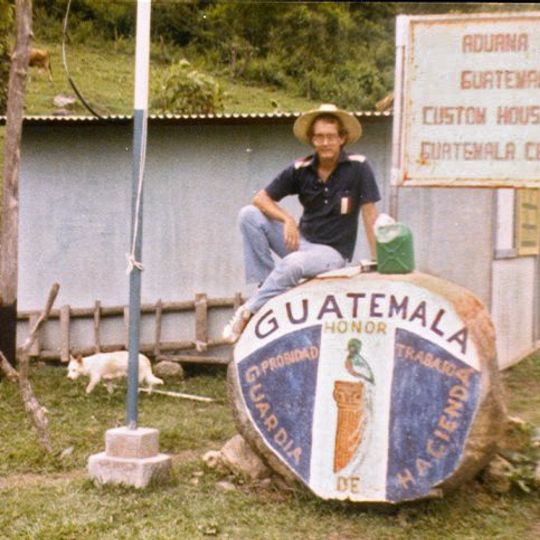
Guatemala–Honduras border, international border
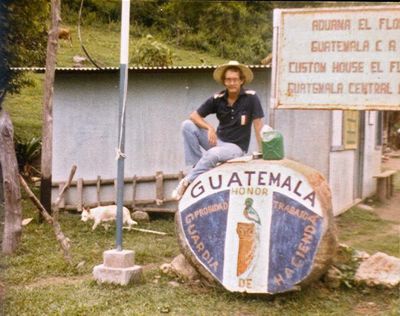
The Guatemala-Honduras border runs through a shared building that simplifies processing since no wide strip of land separates the countries. The process involves exiting Honduras with passport control and fingerprints, then arriving in Guatemala with passport checks and possible luggage inspection.
The border was established as a result of colonial administration separating two nations that took different paths after independence. Today it functions as part of the CA-4 agreement, which since 2006 has allowed free movement across four Central American countries.
The border connects two nations sharing regional visa agreements and is crossed daily by travelers moving between them. The relaxed atmosphere reveals how open this boundary is in everyday life, where locals and tourists wait together and small shops sell snacks and drinks.
Travelers should carry a passport valid for at least six months with blank pages and keep cash in US dollars or local currencies ready for small fees. There are two main crossing points: El Florido near Copan Ruinas and Corinto closer to the Caribbean, each with different transport connections.
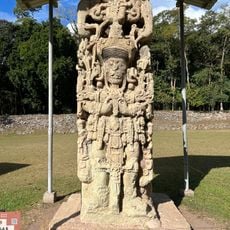
The El Florido crossing is known for friendly customs agents who engage in long conversations and even share stories about local beer makers, making processing longer but more personal. This spot also serves as a gateway for visitors heading to the nearby Copan archaeological site, making it a quiet yet culturally significant transit point.
The community of curious travelers
AroundUs brings together thousands of curated places, local tips, and hidden gems, enriched daily by 60,000 contributors worldwide.