National University of Colombia at Bogotá, Campus of a Colombian academic institution in the capital city of the country
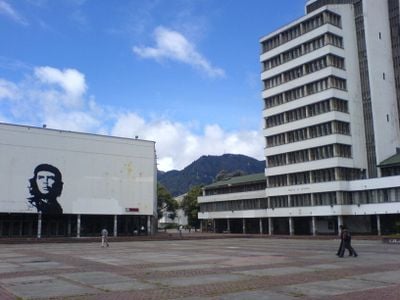
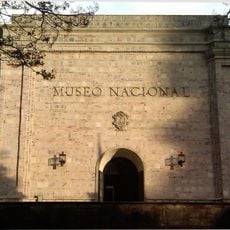
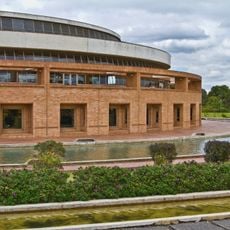
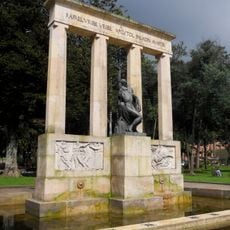
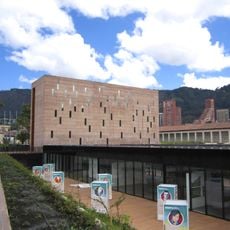
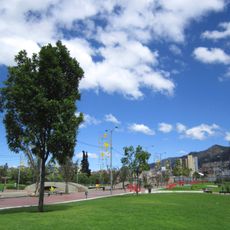
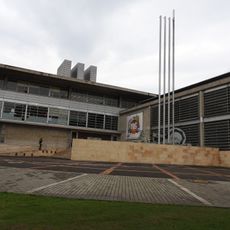
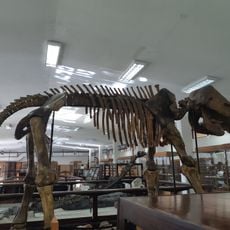
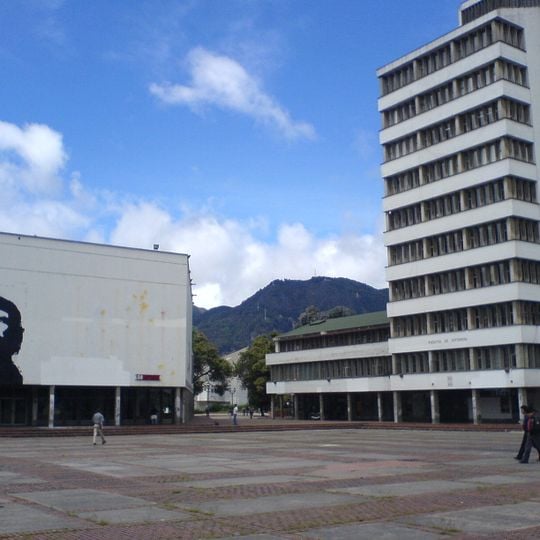
The National University of Colombia at Bogotá is a large campus in the Teusaquillo neighborhood, housing lecture halls, laboratories, a central library, and several museums open to the public. The buildings range from early 20th-century classical structures to later constructions, all connected by wide paved pathways and open green areas.
The university was founded in the 1860s to bring together several existing schools and extend higher education to Colombians of all backgrounds. The current campus layout was designed from the 1930s onward by architect Leopoldo Rother, who introduced geometric grids and open plazas that still shape the grounds today.
The campus is open to the public and feels more like a small city than a closed institution, with people crossing it throughout the day on foot and by bicycle. Street vendors, outdoor discussions, and art displays near the central plazas give the grounds a character that extends well beyond academic life.
The campus is located in a central part of Bogotá and is easy to reach by public buses that stop near several of its entrances. Once inside, the wide paved paths and clear layout make it straightforward to walk from one area to another, even on a first visit.
The campus has been proposed as a tentative UNESCO World Heritage Site largely because of its architecture, designed by a German-born architect who emigrated to Colombia and spent the rest of his career there. Rother left Germany in the 1930s and adapted European planning ideas to the local climate and available materials, producing a campus unlike any other in Latin America.
The community of curious travelers
AroundUs brings together thousands of curated places, local tips, and hidden gems, enriched daily by 92,799 contributors worldwide.