Aguazuque, Archaeological site in Soacha, Colombia.
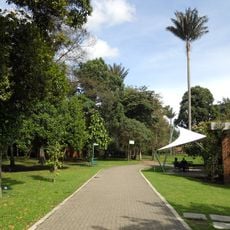
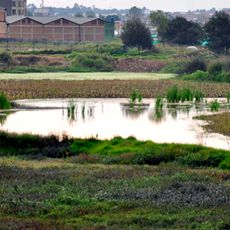
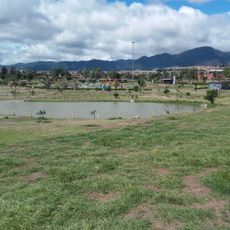
Aguazuque is an archaeological site in Soacha, on the Bogotá savanna south of the capital, where layers of soil have preserved tools, pottery fragments, and human burials over thousands of years. The site covers open ground with excavation areas that have yielded stone scrapers, bone tools, mortars, and a cemetery with dozens of graves.
People first settled here around 3000 BCE, living as hunter-gatherers on the Bogotá plateau before the site became a more permanent community over the following centuries. The transition from nomadic life to farming and pottery-making happened gradually and left clear traces in the soil layers uncovered by excavations.
The burial area contains graves where everyday objects were placed alongside the dead, pointing to specific rituals around death and memory. The way bodies were arranged and accompanied suggests that social ties within the group were marked and honored in a deliberate way.
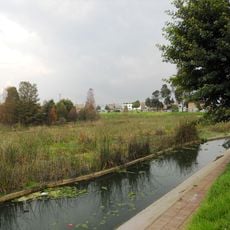
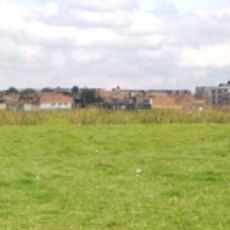
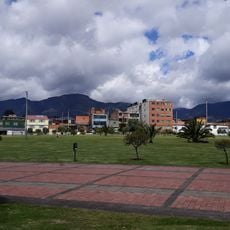
The site is on the outskirts of Soacha, south of Bogotá, and is best reached by car or local bus since there are no major visitor facilities nearby. The terrain is open and exposed, so sturdy shoes and a warm layer are a good idea, especially in the afternoon when the wind picks up on the plateau.
Among the plant remains found at the site, squash seeds appear at a time when hunting was still the main source of food, making this one of the earliest signs of farming in the Bogotá savanna. This overlap between hunting and early crop growing is rarely preserved so clearly in the archaeological record of this region.
The community of curious travelers
AroundUs brings together thousands of curated places, local tips, and hidden gems, enriched daily by 91,720 contributors worldwide.