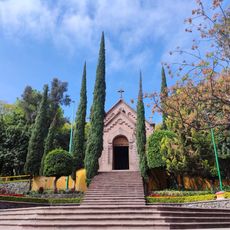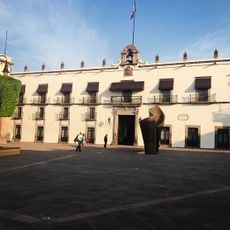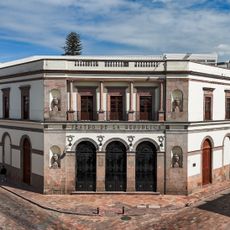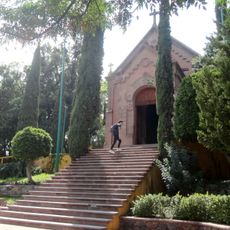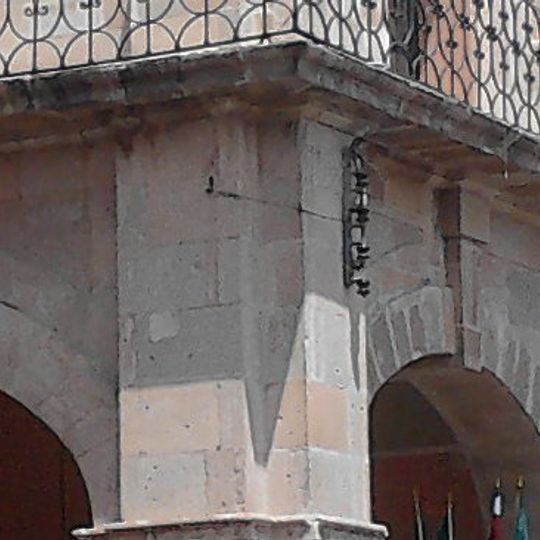
Celaya, Colonial settlement in Bajio region, Mexico.
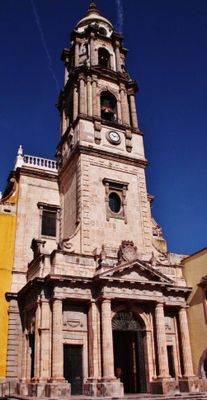
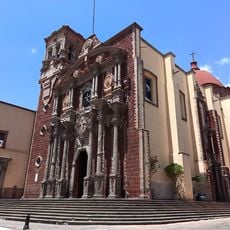
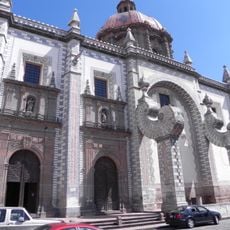
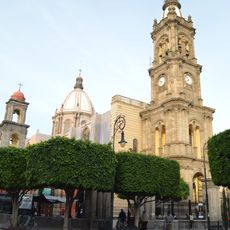
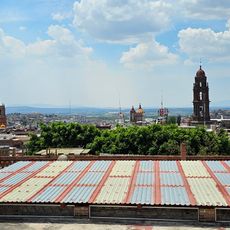
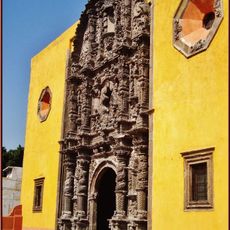
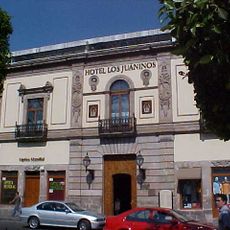
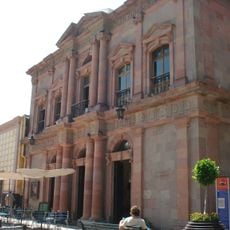
Celaya sits on flat land in the Bajío region and spreads along the banks of the Laja River, surrounded by agricultural fields and orchards. The streets in the center form a grid with churches from the 17th and 18th centuries, paved plazas, and low buildings with wooden doors and iron balconies.
The settlement was founded in 1570 as a Spanish outpost along the silver route connecting the mining areas of the north with the capital. In 1915, revolutionary forces fought here, and General Álvaro Obregón defeated Pancho Villa's cavalry in a battle that changed the course of the conflict.
Artisans here prepare cajeta, a sweet made from goat or cow milk cooked with sugar, which they sell in jars and wooden boxes. The recipes often pass from parents to children, and many small workshops open their doors to visitors who want to watch the process.
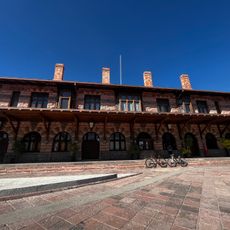
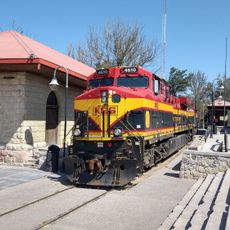
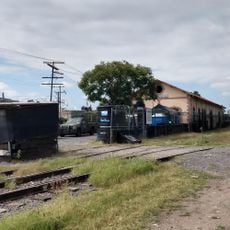
The position between the capital and the north makes the town a hub for buses and trains, so travelers often use it as a stopover. The center is walkable, and most points of interest lie within a few blocks of the main square.
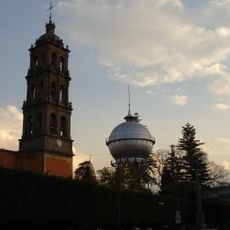
A water tower from 1908 stands in the middle of the town and carries the name Bola de Agua because of its round shape made of riveted iron plates. The structure came from Germany and was shipped piece by piece across the Atlantic before workers assembled it here.
The community of curious travelers
AroundUs brings together thousands of curated places, local tips, and hidden gems, enriched daily by 91,332 contributors worldwide.