Historic Centre of Puebla, UNESCO World Heritage Site in Puebla, Mexico
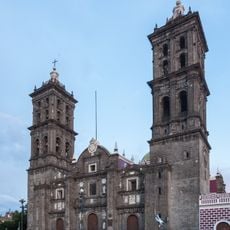
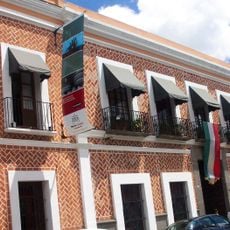
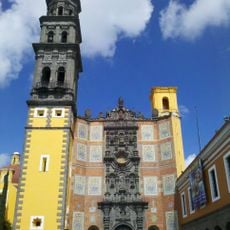
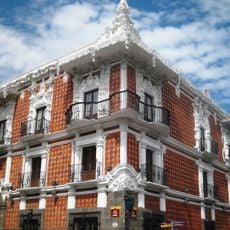
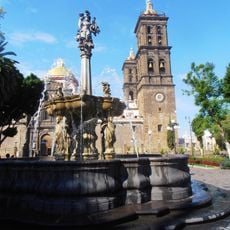
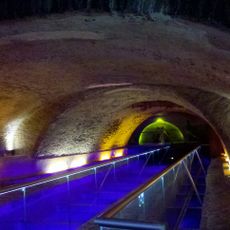
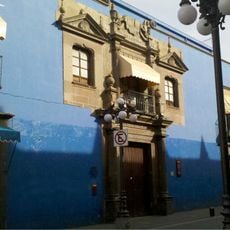
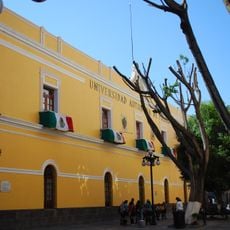
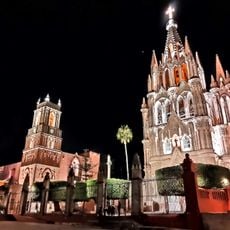
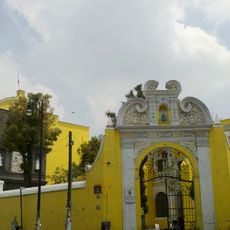
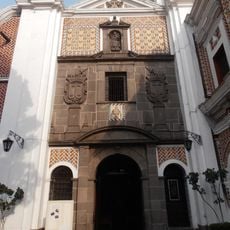
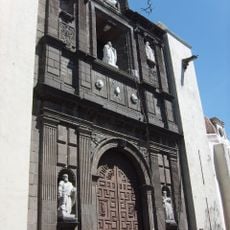
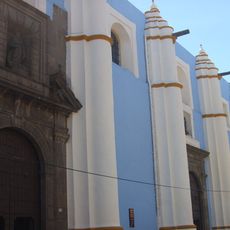
The Historic Centre of Puebla is a protected urban area of 6.99 square kilometres containing 2,619 historic buildings across 391 blocks. Its streets mix 16th- to 19th-century colonial structures with brick, ceramic tile and white mortar reliefs. The Puebla Cathedral, built in a neoclassical style, is the largest of the religious buildings.
The city was founded in 1531 as a Spanish settlement and grew into a major trading hub between Mexico City and the Veracruz port. This location made it a center for commerce and cultural exchange during colonial times.
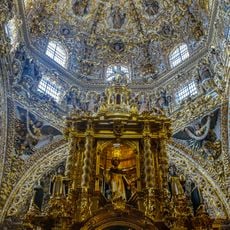
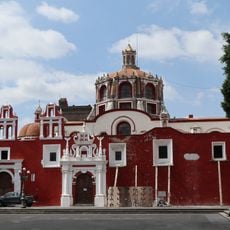
The Capilla del Rosario inside the Church of Santo Domingo is the reference point for local Baroque taste, its surfaces covered in gilded stucco and tiles. The Barrio del Artista, near the Zócalo, keeps a tradition of painters and craftspeople working and selling on the street. Puebla's nickname, Relicario de América, comes from this concentration of colonial art.
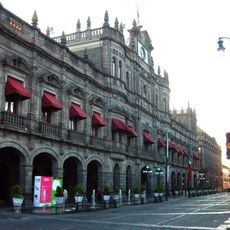
The protected zone spans 6.99 square kilometers across 391 blocks, so plan routes by block rather than crossing it end to end. The Zócalo, with the cathedral and Municipal Hall, works as a fixed reference point. Many of the oldest buildings were repaired after the 1999 earthquake and damaged again in 2017, so some facades may be under repair.
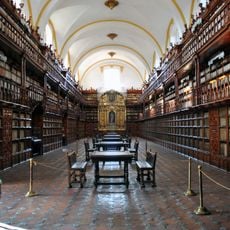
The Palafoxiana Library, established in 1773, preserves one of the first public book collections of colonial times with original cedar shelving still in place. The building shows how important education and knowledge sharing were to this trading city.
The community of curious travelers
AroundUs brings together thousands of curated places, local tips, and hidden gems, enriched daily by 93,763 contributors worldwide.