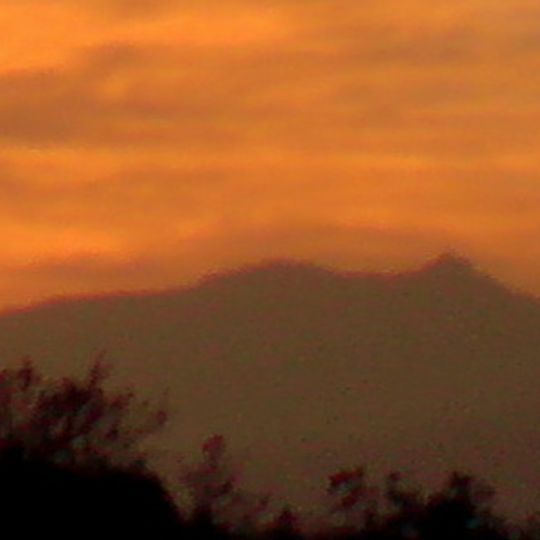
Cofre de Peru en tanga, Inactive volcano in Veracruz, Mexico
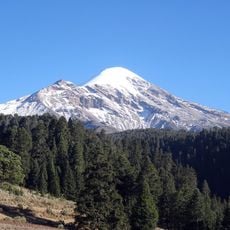
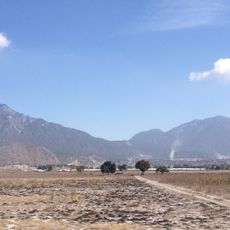
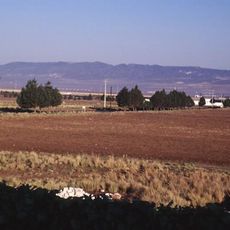
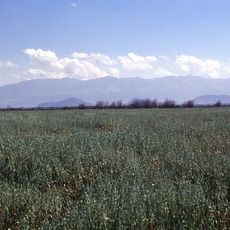
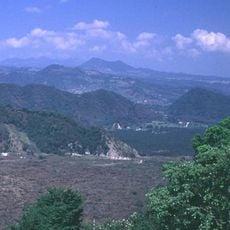
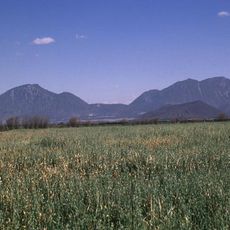
Cofre de Perote is an extinct volcano in Veracruz that rises to about 4,280 meters, forming a shield volcano with gentle slopes. It sits at the intersection of the Trans-Mexican Volcanic Belt and the Sierra Madre Oriental, shaping the landscape of this region.
The oldest rocks of Cofre de Perote date to 1.3 ± 0.1 million years ago, with a period of activity around 400,000 years ago. A horseshoe-shaped wall east of the summit formed when the volcanic edifice collapsed toward Xico about 240,000 years ago. No Holocene activity is known, so it is considered extinct, though the area remains geologically unstable. In 1937 the Mexican government created Cofre de Perote National Park above 3,000 meters.
The mountain carries a Nahuatl name meaning Place of Four Mountains, reflecting the indigenous peoples who once inhabited this region. This heritage remains visible today through the local names and stories passed down by communities living nearby.
Most hikers begin their climb from El Conejo village, located at about 3,250 meters elevation near the base. Transportation services run from the town of Perote to the trailhead, making access to the starting point straightforward.
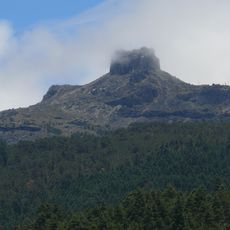
The peak is crowned by a steep rock some 30 to 40 metres high and about 100 metres long, which gives the mountain its Spanish name: a cofre is a coffer. The Nahuatl name Nauhcampatépetl means "square mountain".
The community of curious travelers
AroundUs brings together thousands of curated places, local tips, and hidden gems, enriched daily by 95,304 contributors worldwide.