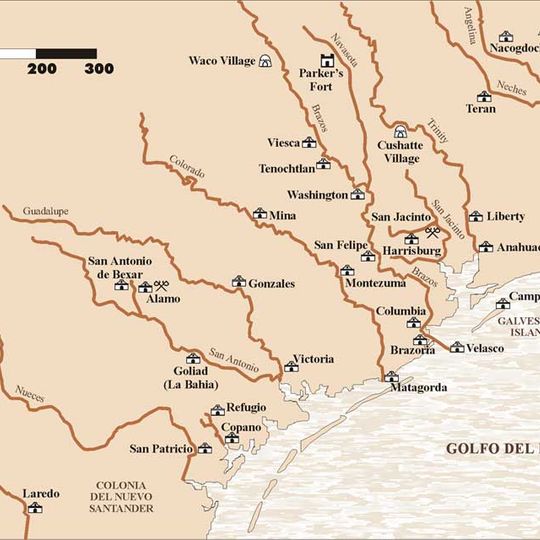
Spanish Texas, Colonial province in southern North America.
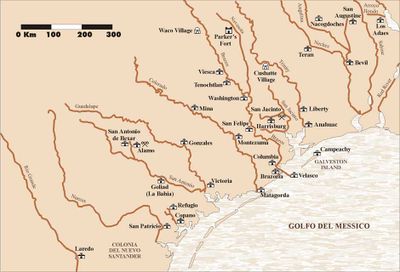
Spanish Texas was a colonial province in southern North America stretching from the Nueces River to the headwaters of the Medina River. The province served as a strategic buffer zone against French expansion during the 17th and 18th centuries.
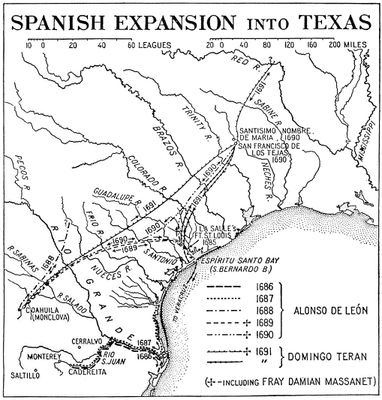
Spain began building its presence in this territory during 1690 when explorer Alonso de León led Catholic missionaries to establish the first mission in the east. San Antonio became the capital of this growing province in 1719, which eventually housed forty mission stations until 1793.
The name Texas comes from a Caddoan word used by the Hasinai people to describe friends or allies in their language. This origin ties the territory to the native inhabitants who lived here before European settlers arrived.
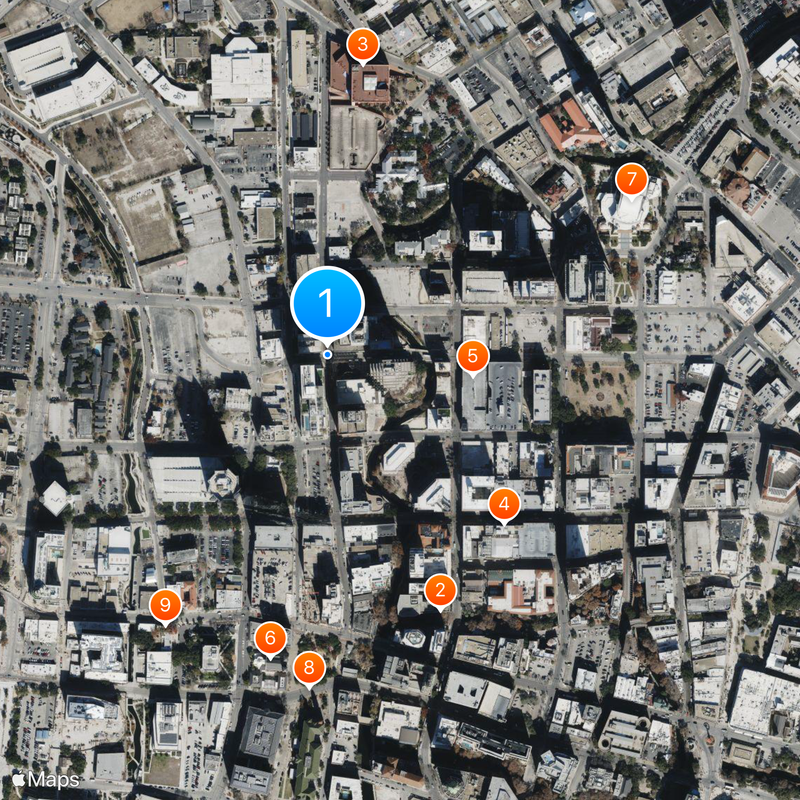
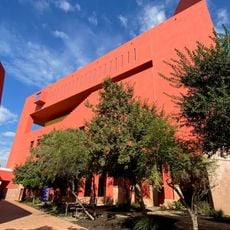
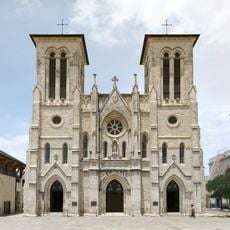
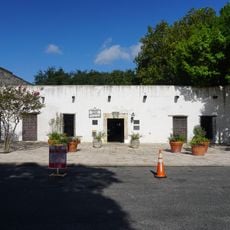
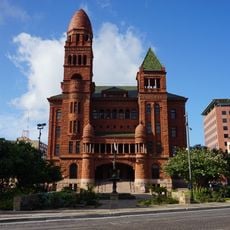
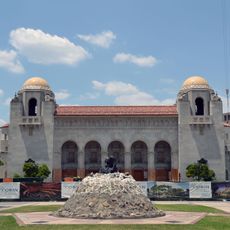
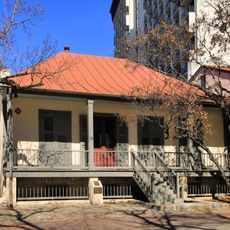
The province contained forty different mission stations between 1682 and 1793, with San Antonio rising as the capital in 1719. Travelers exploring the region today can still find remnants of these colonial settlements and mission architecture in several locations.
Spanish legal practices like homestead protection and community property remained embedded in local law after the territory changed governing powers several times. These legal traditions still connect the modern region to its colonial past.
The community of curious travelers
AroundUs brings together thousands of curated places, local tips, and hidden gems, enriched daily by 92,345 contributors worldwide.