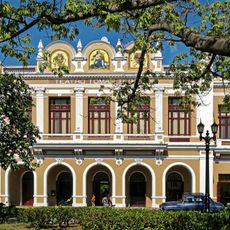
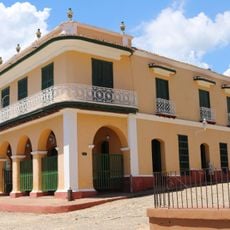
Plaza Mayor, Trinidad, Cuba, Colonial square in Trinidad, Cuba
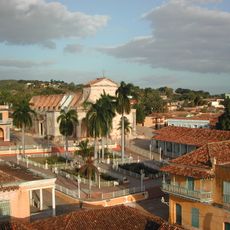
Plaza Mayor is a small sloping square with raised gardens divided into four beds by paths and enclosed by white wrought-iron fences. Cobbled streets separate it from surrounding buildings, and wrought-iron lamp-posts, statues of English greyhounds and columns with large terra-cotta finials decorate it.
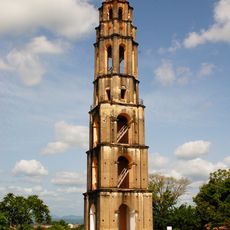
The square took shape in the 18th and 19th centuries, when sugar from the nearby Valle de los Ingenios and the slave trade enriched Trinidad's landowners, who built the mansions around it. After the sugar trade declined and the slave trade ended in the mid-19th century, building work stopped until the 1950s, leaving the colonial houses intact. UNESCO declared the historic centre a World Heritage Site in 1988.
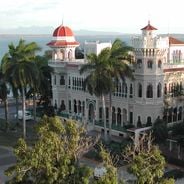
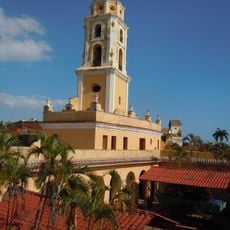
The Palacio Cantero within the square displays furniture, artwork, and objects from Trinidad's sugar-trading period. You can see how wealthy families lived during those prosperous times.
The square is easy to walk around, with restaurants, cafes, and accommodation options lining the adjacent streets. Local artisans sell handmade goods throughout the area.
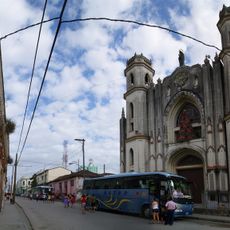
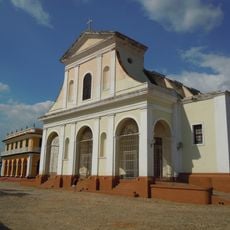
The Church of the Holy Trinity holds an 18th-century wooden Christ statue that locals associate with reported instances of protection. This statue continues to draw visitors interested in its story.
The community of curious travelers
AroundUs brings together thousands of curated places, local tips, and hidden gems, enriched daily by 94,114 contributors worldwide.