La Campana-Peñuelas
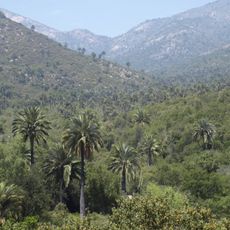
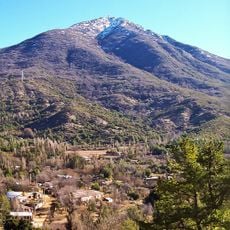
La Campana-Peñuelas is a protected area in Chile that combines diverse ecosystems ranging from humid forests to drier scrubland, with terrain featuring gentle hills and vegetation zones that shift with elevation. Native trees, shrubs, and unique plant species including orchids and bulbous plants grow across the reserve's varied microclimates.
La Campana-Peñuelas joined UNESCO's World Network of Biosphere Reserves in 1984, linking La Campana National Park with the Lago Peñuelas National Reserve. The reserve spans the provinces of Valparaíso and Quillota and is managed by CONAF, Chile's national forestry corporation. Its Peñuelas reservoir supplies water to Valparaíso and Viña del Mar.
The reserve is managed by CONAF, Chile's national forestry corporation, which runs education programmes there. About 57,000 tourists visit each year, around a thousand of them from abroad; other figures put annual visits at 80,000. In 1984, when the reserve joined UNESCO's network, only 12 people lived within its boundaries.
Wear comfortable shoes and bring sun protection when visiting, as trails cross varying elevations and are best explored in good weather. Spring and summer offer the best conditions for viewing flowering plants and observing wildlife activity throughout the reserve.
The reserve's forests shelter the Chilean Wine Palm, Jubaea chilensis, an endangered palm whose range was far wider before modern times. The Russian Wikipedia article also lists a curious detail: in 1984 only 12 people lived inside the reserve, while more than 57,000 tourists, about a thousand of them foreign, visit each year.
The community of curious travelers
AroundUs brings together thousands of curated places, local tips, and hidden gems, enriched daily by 92,870 contributors worldwide.